
Chandra Grahan
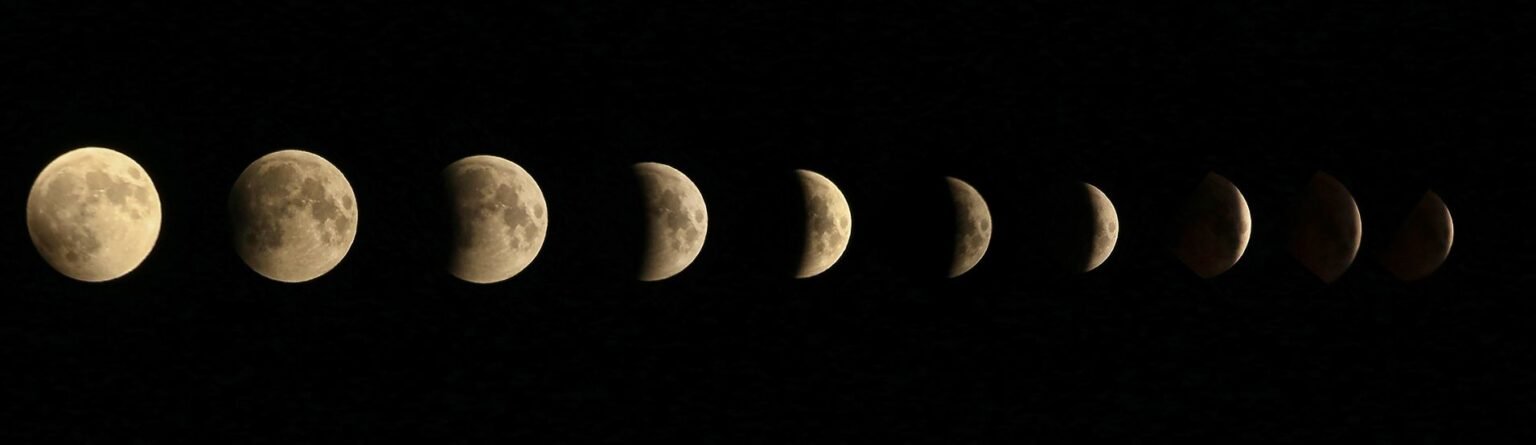
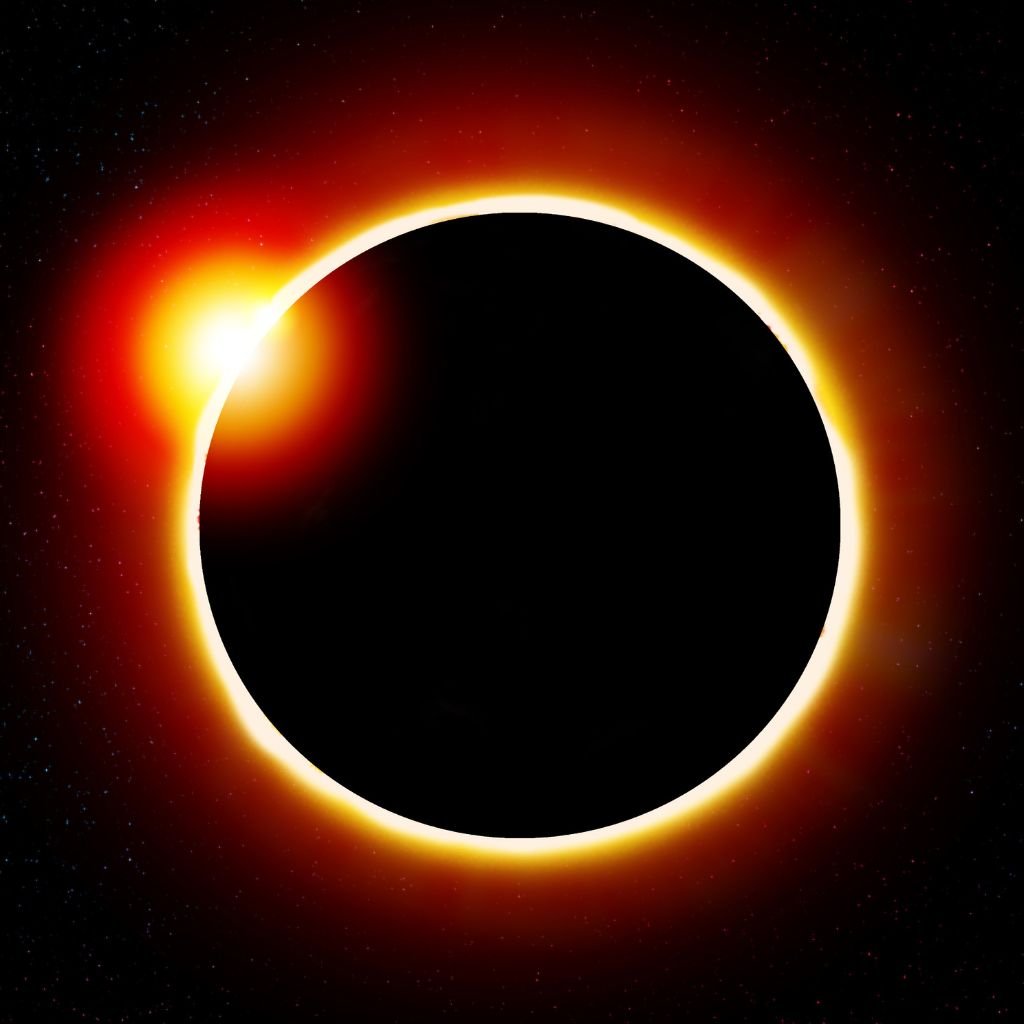
Chandra Grahan (Lunar Eclipse) is one of the most fascinating astronomical events observed worldwide. In India, it holds both scientific and spiritual significance. Unlike surya grahan (solar eclipse), which occurs during the daytime, this happens at night when the Earth comes between the Sun and the Moon. This celestial alignment creates a shadow on the Moon..
Chandra Grahan Kab Hai (भारत में चंद्र ग्रहण कब है?)
In 2026, there will be two lunar eclipses (Chandra Grahan). The first one is a Total Lunar Eclipse occurring on March 3, and the second is a Partial Lunar Eclipse on August 28.
1. Total Lunar Eclipse: March 3, 2026
This eclipse will be visible in India during its concluding phase as the moon rises (Grastodit Chandra Grahan).
- Chandra Grahan 2026 Date: Tuesday, March 3, 2026 (Phalguna Purnima/Holi).
- Chandra Grahan 2026 In India Date and Time (IST):
- Eclipse Starts (Globally): 03:20 PM.
- Moonrise Visibility in India: Around 06:22 PM to 06:26 PM (depending on the city).
- Maximum Visible Phase: 06:33 PM to 06:40 PM.
- Timeline (UTC):
- Penumbral Eclipse Begins: 08:43:58 UTC
- Partial Eclipse Begins (Umbral): 09:49:37 UTC
- Totality Begins (Blood Moon): 11:03:54 UTC
- Maximum Eclipse: 11:33:40 UTC
- Totality Ends: 12:02:53 UTC
- Partial Eclipse Ends: 13:17:26 UTC
- Penumbral Eclipse Ends: 14:23:19 UTC
- Eclipse Ends: 06:46 PM to 06:47 PM.
- Chandra Grahan 2026 in India Date and Time Sutak Time or Sutak Kaal: Since the eclipse is visible in India, the Sutak Kaal (inauspicious period) is considered valid. It typically starts 9 hours before the eclipse (around 06:20 AM).
2. Partial Lunar Eclipse: August 28, 2026
The second lunar eclipse of the year will be a partial one.
- Chandra Grahan Date and Time: Friday, August 28, 2026.
- Date: Friday, August 28, 2026 (late night August 27 in the Americas).
- Maximum Coverage: ~93%–96% (Umbral Magnitude 0.9319), making it a very deep, nearly total, eclipse.
- Visibility: Best viewed from Europe, Africa, and North/South America.
- Timeline (UTC):
- Penumbral Begins (P1): 1:23 UTC.
- Partial Begins (U1): 2:33 UTC.
- Maximum Eclipse: 4:12–4:41 UTC.
- Partial Ends (U4): 5:51 UTC.
- Penumbral Ends (P4): 7:01 UTC.
- Duration: The partial phase lasts for 198 minutes, with a total event duration of 337 minutes (over 5.5 hours).
- Appearance: A large, dark “bite” will be taken out of the Moon, with the shadowed portion likely appearing reddish-orange.
- Visibility in India: This eclipse will not be visible in India as it occurs during the daytime.
- Sutak Kaal: Since it is not visible in India, the Sutak rules are generally not applicable.
Visibility Highlights
- March Eclipse: Best seen in the Americas, Pacific, Australia, and East Asia. India will see the very end.
- August Eclipse: Primarily visible in Europe, Africa, and parts of the Americas.
Key Facts for India:
- Sutak Kaal: This Eclipse is visible in India, the religious Sutak period is applicable, and regular daily rituals cannot be continued you must follow the restrictions of grahan and sutak kaal.
- Watch Online: You can watch the event via live streams on NASA’s official website or Time and Date.
What is Chandra Grahan?
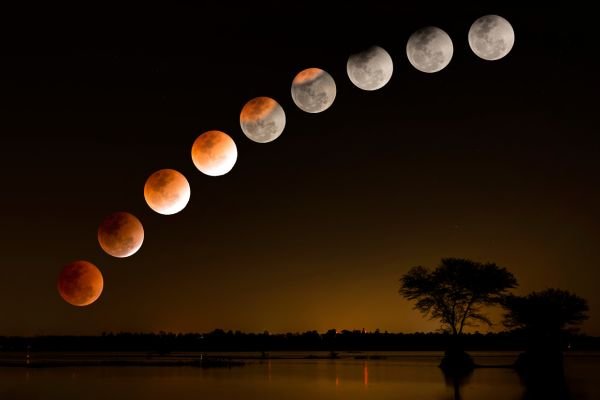
Chandra Grahan occurs when the Earth blocks sunlight from reaching the Moon. This can only happen during a full moon (Purnima). Scientifically, this happens when the Sun, Earth, and Moon align in a straight line. During this, the Moon may turn reddish in color, often referred to as a “Blood Moon.” This visual transformation makes it one of the most eagerly awaited celestial events.
Types of Chandra Grahan
Total Chandra Grahan
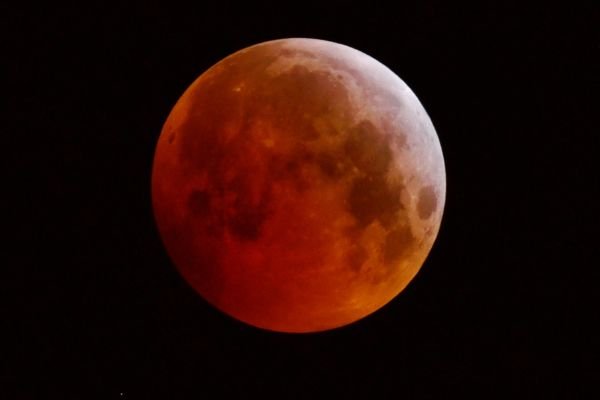
A Total Lunar Eclipse happens when the entire Moon moves into Earth’s dark shadow (umbra). The Moon often appears reddish, known as a “Blood Moon.”
Partial Chandra Grahan
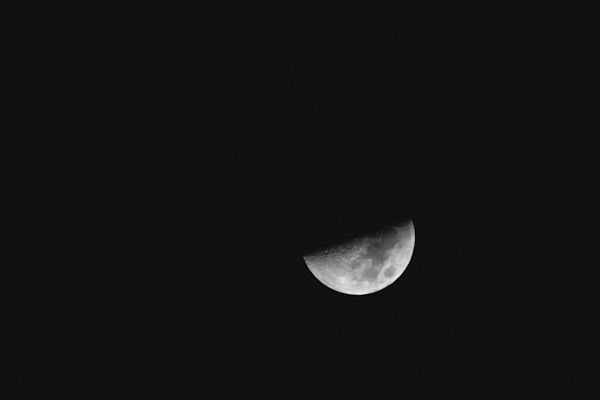
A Partial Lunar Eclipse occurs when only part of the Moon enters Earth’s shadow. One section looks dark while the rest remains bright.
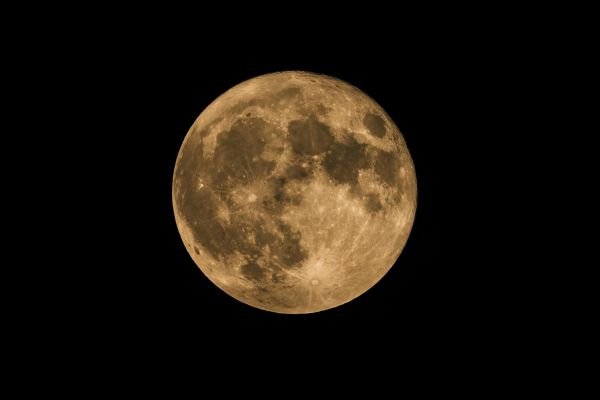
Penumbral Chandra Grahan
A Penumbral Lunar Eclipse takes place when the Moon passes through Earth’s outer shadow (penumbra). The dimming is very light and hard to notice.
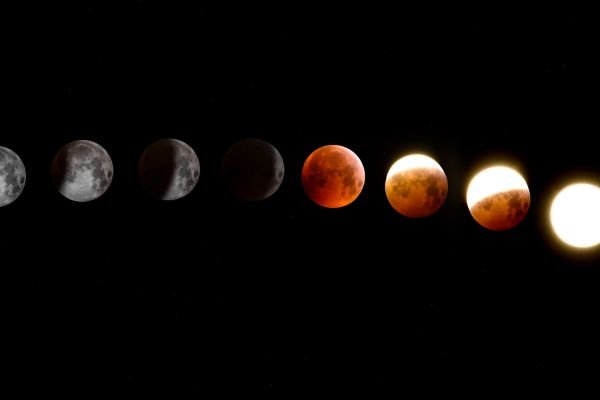
Why Chandra Grahan Happen?
From a scientific perspective, Chandra Garhan happens when Earth’s shadow falls on the Moon. This occurs when:
The Sun, Earth, and Moon align perfectly.
The Moon passes through Earth’s umbra (dark shadow).
The eclipse occurs during a full moon.
History of Chandra Grahan
The history of Chandra Grahan goes back thousands of years and is connected to both mythology and science. In Hindu mythology, This is linked to the story of Rahu and Ketu, who are believed to swallow the Moon, causing the eclipse.
Ancient Indian astronomers like Aryabhata later explained that it happens when the Earth’s shadow falls on the Moon. Other civilizations, including the Chinese and Greeks, also observed and studied this, often considering it a powerful or symbolic event. Over time, this has shifted from being seen as a mythological occurrence to a scientifically understood and predictable astronomical phenomenon.
Scientific Significance of Chandra Grahan
Chandra Grahan is scientifically important because it helps astronomers study the alignment of the Earth, Moon, and Sun. During this, the Earth’s shadow falls on the Moon, confirming orbital movements and the spherical shape of the Earth. The reddish color seen in it also allows scientists to analyze Earth’s atmosphere. Since this is safe to observe with the naked eye, it provides a valuable opportunity for research and sky observation.
Spiritual seekers
Families with children
Youth and young adults
Anyone who wants to celebrate Holi with heart and devotion
Spiritual and Religious Significance of Chandra Grahan
Chandra Grahan holds deep spiritual and religious importance in Hindu tradition and other cultures. During this, many devotees believe that spiritual energy increases, making it a powerful time for mantra chanting, meditation, and prayer. Scriptures mention that performing jap, daan (charity), and spiritual practices during it brings multiplied benefits.
Temples often close during this, and people observe fasting until the eclipse ends. It is also believed that taking a holy bath after this purifies the body and mind. Thus, this is seen not just as a celestial event, but as a spiritually significant period for self-reflection and devotion.
Astrological Impact of Chandra Grahan
In astrology, Chandra Grahan is believed to have a strong influence on emotions, thoughts, and mental stability because the Moon represents the mind and feelings. During this, astrologers say that emotional sensitivity may increase, and people may feel restless or introspective.
The impact of this is often analyzed based on zodiac signs (Rashi) and planetary positions. Some signs may experience positive transformation, while others may be advised to stay cautious in decision-making during Chandra Grahan. Astrologers also suggest chanting mantras, meditation, and avoiding important decisions during this to maintain emotional balance and reduce negative effects.
Do’s and Don’ts during Chandra Grahan
During Chandra Grahan, traditional practices recommend certain do’s and don’ts:
Do’s of Grahan:
Chant mantras during Chandra Grahan
Take a bath after grahan ends.
Meditate for positive energy.
Don’ts of Grahan:
Avoid eating during grahan.
Avoid starting new tasks during grahan today.
Pregnant women are advised to stay indoors during grahan.
Why Pregnant Women Should Not Watch Chandra Grahan?
According to traditional belief, pregnant women should avoid watching Chandra Grahan. It is believed that negative cosmic rays during this may affect the unborn child. While there is no scientific proof, many families follow these customs during Lunar Eclipse similar to practices observed during Surya Grahan.
Important Facts about Chandra Grahan/Lunar Eclipse
These are some common listed important facts about Chandra Grahan/Lunar Eclipse-
Chandra Grahan is safe to view without special glasses.
It lasts longer than surya grahan.
It can be seen from anywhere on the night side of Earth.
What is Sutak during Chandra Grahan?
Sutak is a religious restriction period observed before Chandra Grahan begins. The Sutak period usually starts a few hours before it and ends after it concludes.
During Sutak:
Temples remain closed.
Cooking is avoided.
Devotees chant prayers.
Frequently Asked Questions
Chandra Grahan kab hai?
The date of Chandra Grahan 2026 in India is on 3rd Mar 2026 astronomical calendars.
Is Lunar Eclipse safe to watch?
Yes, this is safe to view with naked eyes.
What is the difference between Surya Grahan and Chandra Grahan?
This happens when Earth blocks sunlight from the Moon, while Surya Grahan occurs when the Moon blocks the Sun.
Is Sutak observed during Chandra Grahan?
Yes, Sutak is observed if this is visible in that region.