

Rudrabhishek
Rudrabhishek Puja

RUDRABHISHEK​

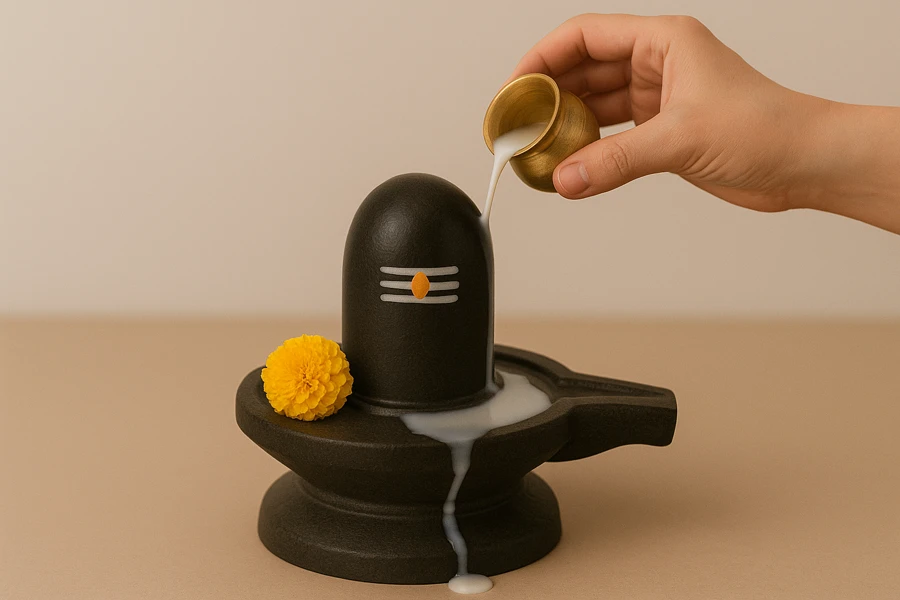
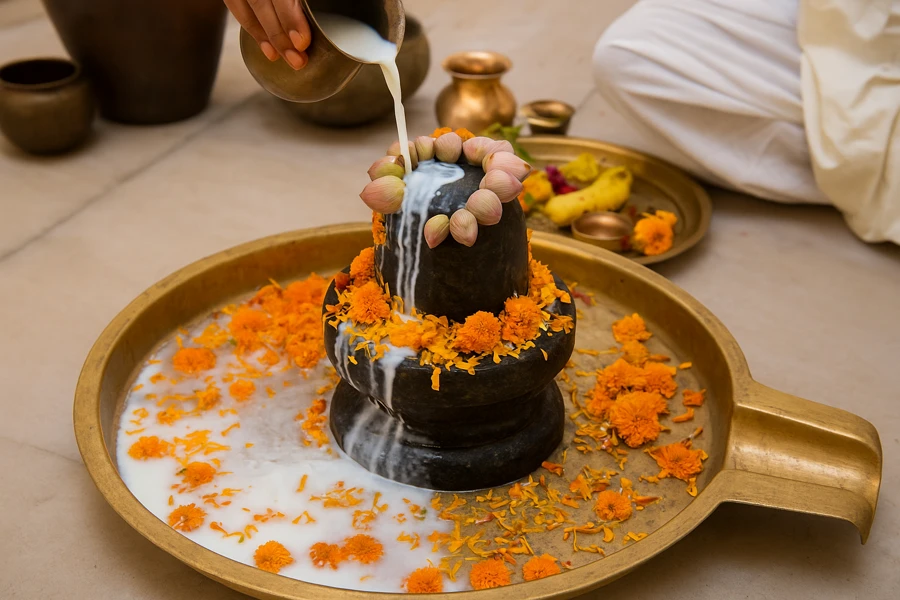
Devotee performing Rudrabhishek with water, bilva leaves and flowers

Rudrabhishek guide for Shiva worship and abhishek

Rudrabhishek Puja Vidhi: Mantra, Samagri and Steps

Prepare and perform Rudra Abhishek with a clear sequence for sankalp, offerings, mantra, aarti and respectful completion.

A disciplined Shiva practice

What Is Rudrabhishek?

Rudrabhishek, also written as Rudra Abhishek, is the ceremonial bathing of a Shiva Linga while Lord Shiva is invoked through prayer and mantra. Water is central to the worship; families may also use panchamrit and other traditional offerings according to their sampradaya and household practice.

The purpose is not the quantity of offerings. Cleanliness, a clear sankalp and attentive chanting give the ritual its devotional focus. A simple home abhishek with water, bilva leaves and Om Namah Shivaya can be observed respectfully.
Primary chantOm Namah Shivaya
Common daysMonday, Pradosh, Mahashivratri and Shravan
Core offeringClean water offered with devotion
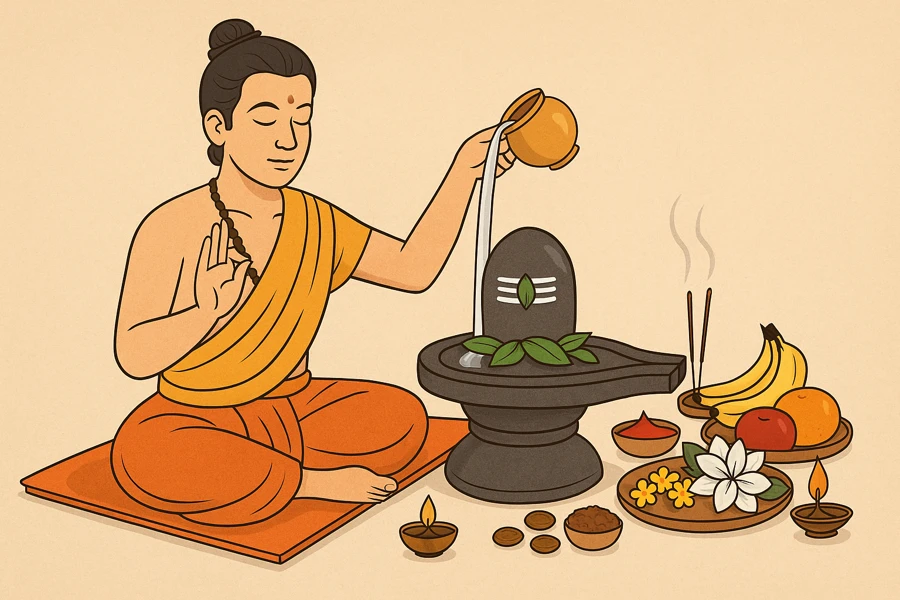
Illustrated Rudrabhishek puja vidhi at home

Prepare before the sankalp

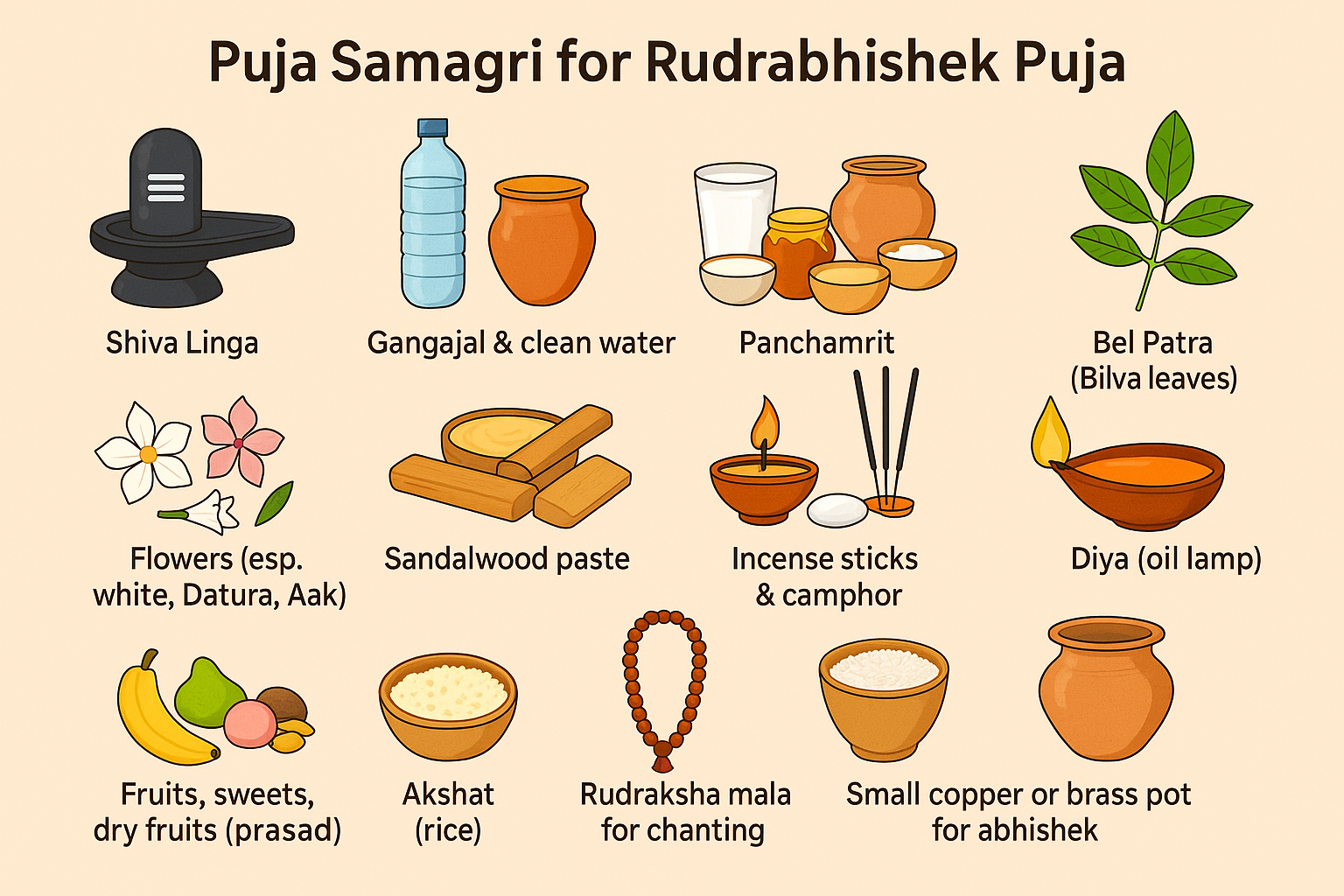
Rudrabhishek Samagri List

Keep the setup simple and clean. Use what is appropriate for your family tradition; water remains sufficient when other items are unavailable.

  • Shiva Linga with a stable base
  • Clean water and optional Gangajal
  • Copper or brass lota
  • Milk, curd, honey, ghee and sugar
  • Fresh bilva leaves
  • White flowers and seasonal flowers
  • Sandalwood paste
  • Akshat or unbroken rice
  • Diya, incense and camphor
  • Fruit, sweets or simple prasad
  • Clean cloth and puja thali
  • Rudraksha mala for japa
Practical note: Do not pour large quantities merely for display. Use modest offerings, keep the Shivling base clear, and collect the abhishek water respectfully.

Home worship sequence

Rudrabhishek Puja Vidhi Step by Step

This concise sequence works for a personal home puja. A full Laghu Rudra or Maha Rudrabhishek with Vedic recitation is best performed with a trained priest.

1

Clean and arrange

Bathe, wear clean clothes and prepare the puja space. Place the Shivling securely with its outlet unobstructed.

2

Light the diya

Light a diya and incense, then sit facing east or north according to the available space.

3

Take sankalp

Hold a little water, state your name and devotional purpose, then offer the water into a small bowl.

4

Invoke Shiva

Offer flowers or akshat and chant Om Namah Shivaya with a steady, respectful mind.

5

Offer water

Pour a gentle stream of clean water over the Shivling while continuing the mantra.

6

Offer panchamrit

If used, offer milk, curd, honey, ghee and sugar in modest quantities, followed by clean water.

7

Decorate the Linga

Apply sandalwood and offer fresh bilva leaves and flowers without blocking the base.

8

Chant and pray

Continue Om Namah Shivaya or recite the Mahamrityunjaya mantra according to your capacity.

9

Aarti and prasad

Offer fruit or sweets, perform aarti, pray for forgiveness for mistakes and distribute prasad.

Chant slowly and clearly

Rudrabhishek Mantra

One sincere mantra repeated with attention is better than rushing through a long recitation.

Panchakshari Mantra

ॐ नमः शिवाय

Om Namah Shivaya

A clear mantra for water abhishek and regular Shiva japa.

Mahamrityunjaya Mantra

ॐ त्र्यम्बकं यजामहे सुगन्धिं पुष्टिवर्धनम्।
उर्वारुकमिव बन्धनान्मृत्योर्मुक्षीय मामृतात्॥

Recite at a steady pace. For full Shri Rudram or Rudrashtadhyayi, follow a reliable text and trained guidance.

Choose depth according to capacity

Types and Auspicious Times

Laghu Rudrabhishek

A shorter observance using water or panchamrit, bilva leaves and selected Shiva mantras. It suits home worship, Mondays and personal sankalp.

Maha Rudrabhishek

An elaborate observance with extended Vedic recitation and, in some traditions, homa. Arrange it with qualified priests and enough time for the complete sequence.

When to perform it

  • Any Monday with devotion
  • Pradosh Vrat evening
  • Mahashivratri
  • Mondays during Shravan
  • A family sankalp or spiritually significant day

Local tithi and sunrise rules vary. Confirm the date through the 2026 Hindu Calendar when timing is important.

Watch the complete sequence

Rudrabhishek Puja Vidhi Video

Use the visual guide to understand the order of samagri, offerings and mantra before beginning your own puja.

Before you begin

  • Review the entire sequence once.
  • Arrange liquids in pouring order.
  • Keep a bowl or clean tray for runoff.
  • Choose one primary mantra for continuous chanting.
  • Keep a clean towel nearby for safe handling.
Watch on YouTube

Verified available now

Support Your Rudrabhishek Practice

These relevant Divine Store options were checked as available before being added to this guide.

Sawan Rudrabhishek group puja service
Currently available

Sawan Rudrabhishek Group Puja

Join a group sankalp puja when you prefer priest-led Rudrabhishek during Shravan.

View puja details
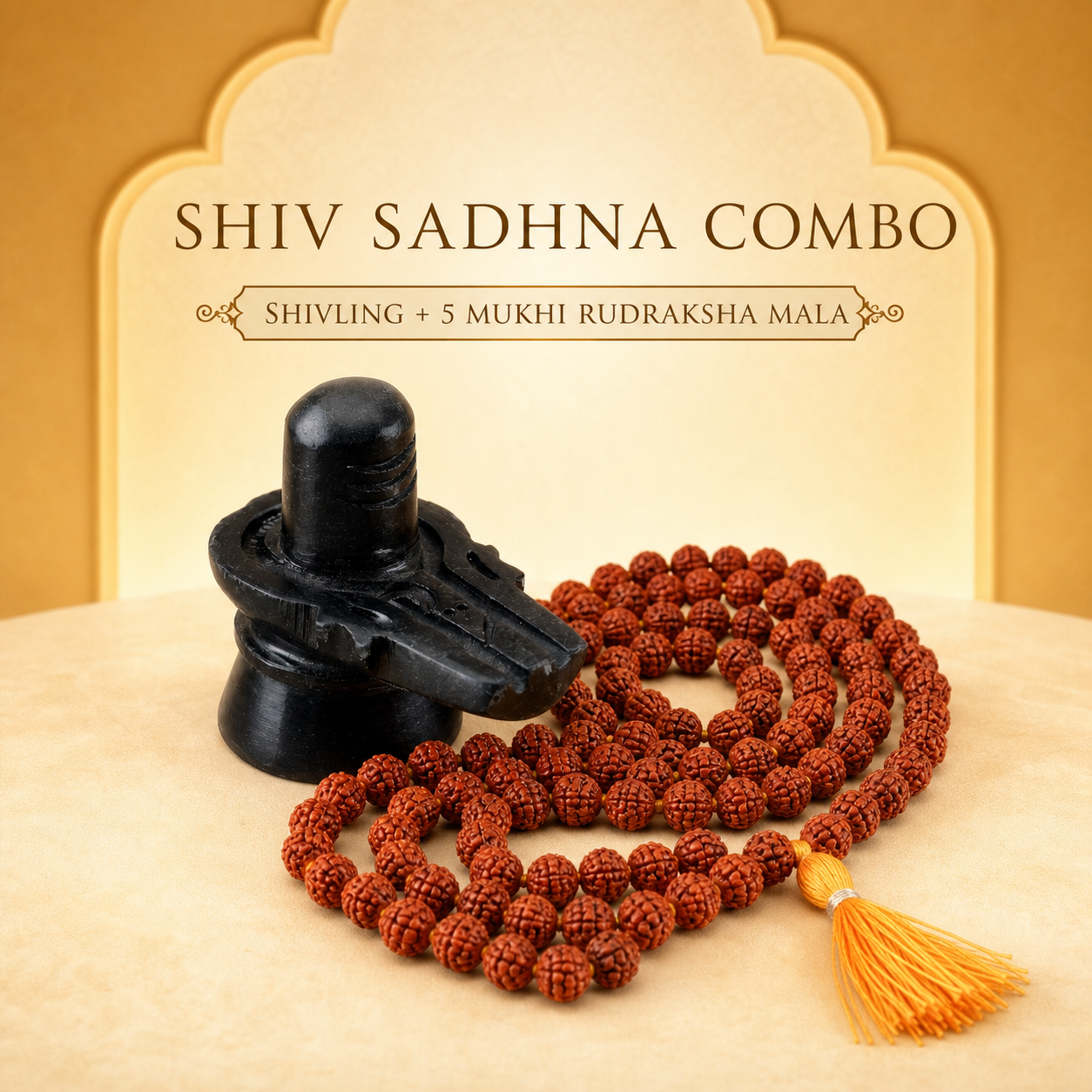
Shivling and five mukhi Rudraksha mala combo
Currently available

Shiv Sadhna Combo

A Shivling and original five mukhi Rudraksha mala for home abhishek and mantra japa.

View the combo

Common questions

Rudrabhishek FAQs

Can Rudrabhishek be performed at home?

Yes. A simple home puja may use clean water, bilva leaves, flowers, a diya and Om Namah Shivaya. Keep the Shivling stable and the puja area clean.

Is milk compulsory for Rudrabhishek?

No. Clean water offered sincerely is sufficient. Panchamrit is optional and should be used modestly according to household tradition.

Which direction should I face?

East or north is commonly preferred, but a clean and safe setup matters more when the room does not allow that orientation.

Can women perform Rudrabhishek?

Many families and traditions welcome women to perform Shiva puja. Follow your family or sampradaya practice when specific observances apply.

Which mantra should beginners chant?

Om Namah Shivaya is clear and suitable for beginners. Repeat it steadily during the water offering instead of attempting a long text without guidance.

What should be done with the abhishek water?

Collect it in a clean vessel. Depending on family practice, it may be received respectfully as charanamrit in a small amount or offered to a clean plant area.

Prepare once. Worship without rushing.

Keep the samagri list and step-by-step sequence open while arranging your puja.
Review the samagri

Rudrabhishek (Rudra Abhishek) is the sacred “bath” of Lord Shiva’s Linga, performed with holy offerings—milk, water, honey, ghee—and accompanied by chanting powerful mantras like “Om Namo Bhagavate Rudraya”, invoking spiritual purification and divine grace.

1

Clean yourself and the puja area. Set the Shiva Linga on a clean surface facing east or north.

2

Light a diya and incense sticks to purify the space.

3

Take a Sankalp (resolve) with water in hand and mentally state your name and purpose.

4

Invoke Lord Shiva by offering flowers, rice, and chanting “Om Namah Shivaya.”

5

Perform Panchamrit Abhishek with milk, curd, honey, ghee, and sugar water, after Gangajal.

6

Decorate the Linga with sandalwood paste, flowers, and fresh Bilva leaves.

7

Chant mantras like Rudrashtadhyayi, Maha Mrityunjaya Mantra, Gayatri Mantra.

8

Offer fruits, sweets, and do aarti with a ghee diya to everyone.

9

Pray and conclude the puja with devotion. Distribute prasad.

Rudrabhishek Historical & Holy Origins

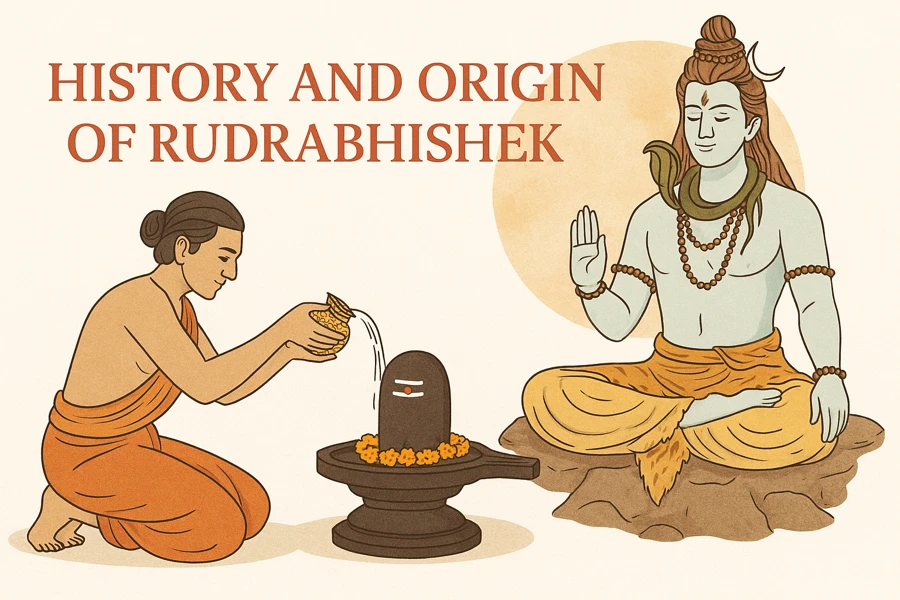
History and Origin of Rudrabhishek

Rudrabhishek finds its roots in the ancient Vedic texts, especially the Yajurveda, where Lord Shiva is worshipped as Rudra, the fierce protector and transformer. This sacred ritual has been performed for thousands of years to honor Shiva’s cosmic power. According to legends, Lord Rama performed Rudrabhishek at Rameswaram to seek blessings before his battle with Ravana. The Pandavas also performed it during their exile to gain strength and divine favor. Over time, this puja became a key part of spiritual practice in temples and homes, symbolizing the eternal bond between devotees and Lord Shiva.

Rudrabhishek Mantra (रुद्राभिषेक मंत्र)

॥ महारुद्राभिषेक पूजा मंत्र ॥

ॐ नम: शम्भवाय च मयोभवाय च नम: शंकराय च
मयस्कराय च नम: शिवाय च शिवतराय च ॥
ईशानः सर्वविद्यानामीश्व रः सर्वभूतानां ब्रह्माधिपतिर्ब्रह्मणोऽधिपति
ब्रह्मा शिवो मे अस्तु सदाशिवोय्‌ ॥
तत्पुरुषाय विद्महे महादेवाय धीमहि। तन्नो रुद्रः प्रचोदयात्॥
अघोरेभ्योथघोरेभ्यो घोरघोरतरेभ्यः सर्वेभ्यः सर्व सर्वेभ्यो नमस्ते अस्तु रुद्ररुपेभ्यः ॥
वामदेवाय नमो ज्येष्ठारय नमः श्रेष्ठारय नमो
रुद्राय नमः कालाय नम: कलविकरणाय नमो बलविकरणाय नमः
बलाय नमो बलप्रमथनाथाय नमः सर्वभूतदमनाय नमो मनोन्मनाय नमः ॥
सद्योजातं प्रपद्यामि सद्योजाताय वै नमो नमः ।
भवे भवे नाति भवे भवस्व मां भवोद्‌भवाय नमः ॥
नम: सायं नम: प्रातर्नमो रात्र्या नमो दिवा ।
भवाय च शर्वाय चाभाभ्यामकरं नम: ॥
यस्य नि:श्र्वसितं वेदा यो वेदेभ्योsखिलं जगत् ।
निर्ममे तमहं वन्दे विद्यातीर्थ महेश्वरम् ॥
त्र्यम्बकं यजामहे सुगन्धिं पुष्टिबर्धनम् उर्वारूकमिव बन्धनान् मृत्योर्मुक्षीय मा मृतात् ॥
सर्वो वै रुद्रास्तस्मै रुद्राय नमो अस्तु । पुरुषो वै रुद्र: सन्महो नमो नम: ॥
विश्वा भूतं भुवनं चित्रं बहुधा जातं जायामानं च यत् । सर्वो ह्येष रुद्रस्तस्मै रुद्राय नमो अस्तु ॥

Rudra Suktam (रूद्र सूक्तं) For Blessing Of Lord Shiva

॥ अथ श्री रूद्र-सूक्तम् ॥

नमस्ते रुद्र मन्यवऽ उतो तऽ इषवे नमः।
बाहुभ्याम् उत ते नमः॥1॥
या ते रुद्र शिवा तनूर-घोरा ऽपाप-काशिनी।
तया नस्तन्वा शन्तमया गिरिशंताभि चाकशीहि ॥2॥
यामिषुं गिरिशंत हस्ते बिभर्ष्यस्तवे ।
शिवां गिरित्र तां कुरु मा हिन्सीः पुरुषं जगत् ॥3॥
शिवेन वचसा त्वा गिरिशाच्छा वदामसि ।
यथा नः सर्वमिज् जगद-यक्ष्मम् सुमनाऽ असत् ॥4॥
अध्य वोचद-धिवक्ता प्रथमो दैव्यो भिषक् ।
अहींश्च सर्वान जम्भयन्त् सर्वांश्च यातु-धान्यो ऽधराचीः परा सुव ॥5॥
असौ यस्ताम्रोऽ अरुणऽ उत बभ्रुः सुमंगलः।
ये चैनम् रुद्राऽ अभितो दिक्षु श्रिताः सहस्रशो ऽवैषाम् हेड ऽईमहे ॥6॥
असौ यो ऽवसर्पति नीलग्रीवो विलोहितः।
उतैनं गोपाऽ अदृश्रन्न् दृश्रन्नु-दहारयः स दृष्टो मृडयाति नः ॥7॥
नमोऽस्तु नीलग्रीवाय सहस्राक्षाय मीढुषे।
अथो येऽ अस्य सत्वानो ऽहं तेभ्यो ऽकरम् नमः ॥8॥
प्रमुंच धन्वनः त्वम् उभयोर आरत्न्योर ज्याम्।
याश्च ते हस्तऽ इषवः परा ता भगवो वप ॥9॥
विज्यं धनुः कपर्द्दिनो विशल्यो बाणवान्ऽ उत।
अनेशन्नस्य याऽ इषवऽ आभुरस्य निषंगधिः॥10॥
या ते हेतिर मीढुष्टम हस्ते बभूव ते धनुः ।
तया अस्मान् विश्वतः त्वम् अयक्ष्मया परि भुज ॥11॥
परि ते धन्वनो हेतिर अस्मान् वृणक्तु विश्वतः।
अथो यऽ इषुधिः तवारेऽ अस्मन् नि-धेहि तम् ॥12॥
अवतत्य धनुष्ट्वम् सहस्राक्ष शतेषुधे।
निशीर्य्य शल्यानां मुखा शिवो नः सुमना भव ॥13॥
नमस्तऽ आयुधाय अनातताय धृष्णवे।
उभाभ्याम् उत ते नमो बाहुभ्यां तव धन्वने ॥14॥
मा नो महान्तम् उत मा नोऽ अर्भकं मा नऽ उक्षन्तम् उत मा नऽ उक्षितम्।
मा नो वधीः पितरं मोत मातरं मा नः प्रियास् तन्वो रूद्र रीरिषः॥15॥
मा नस्तोके तनये मा नऽ आयुषि मा नो गोषु मा नोऽ अश्वेषु रीरिषः।
मा नो वीरान् रूद्र भामिनो वधिर हविष्मन्तः सदमित् त्वा हवामहे॥16॥


Rudrabhishek Samagri (Item List for Puja)

Here is the list of items required for the Rudrabhishek Samagri:

  • Shiva Linga

  • Gangajal & clean water

  • Milk, curd, honey, ghee, sugar (Panchamrit)

  • Bel Patra (Bilva leaves)

  • Flowers (esp. white, Datura, Aak)

  • Sandalwood paste

  • Incense sticks & camphor

  • Diya (oil lamp)

  • Fruits, sweets, dry fruits (prasad)

  • Akshat (rice)

  • Rudraksha mala for chanting

  • Small copper or brass pot for abhishek

Items List of Rudrabhishek

Rudrabhishek Types

Types of Rudrabhishek: Mainly two types — Laghu Rudrabhishek (short form) and Maha Rudrabhishek (elaborate form with full Rudram chanting).

Laghu Rudrabhishek

Laghu Rudrabhishek

A simplified version of the ritual with basic offerings and chanting of selected Rudra mantras. Ideal for regular worship or beginners.

Maha Rudrabhishek

Maha Rudrabhishek

A more elaborate ritual that includes full recitation of the Rudri (Rudrashtadhyayi), additional prayers, and a Havan (fire ritual) for intensified spiritual benefits.

When You Can Perform Rudrabhishek?

Rudrabhishek can be performed on any day with devotion, but it holds special significance on certain occasions:

Shravan Month

Especially Mondays during this holy month are highly auspicious for Lord Shiva worship.

Mahashivratri

The most sacred night dedicated to Lord Shiva, ideal for performing Rudrabhishek.

Mondays (Somvar)

Any Monday is considered sacred for Shiva devotees.

Pradosh Vrat Days

Evening hours during this vrat are favorable.

Rudrabhishek Puja Vidhi

Rudrabhishek Puja Vidhi at Home – Complete Step-by-Step Guide:
  • Place the Shivling on a clean and sacred spot. Ideally, it should be placed over a base made of Bilva (Bel) leaves.

  • Ensure that your clothes, the puja area, and all puja items are clean and pure.

  • Start by pouring plain water over the Shivling while chanting:
    “Om Gangaya Cha Yamunay Chaiva Godavari Saraswati,
     Narmade Sindhu Kaveri Jalesmin Sannidhim Kuru.”

  • After water, perform the abhishek using milk, curd, honey, ghee, and flowers. With each item, continue chanting “Om Namah Shivaya” with devotion.

Puja Vidhi Rudrabhishek
Rudrabhishek
रुद्राभिषेक करने की विधि: सम्पूर्ण सामग्री और मंत्र | Rudrabhishek Puja Vidhi

Frequently Asked Questions

Rudrabhishek is performed to please Lord Shiva and seek His blessings for peace, protection, prosperity, and removal of negativity. It is believed to bring spiritual growth, calm planetary doshas, and fulfill heartfelt wishes.

The commonly used 11 items are:

  1. Water (Gangajal)

  2. Milk

  3. Curd

  4. Honey

  5. Ghee

  6. Sugar or Mishri

  7. Sandalwood paste

  8. Bilva (Bel) leaves

  9. Flowers (especially white)

  10. Fruits and dry fruits

  11. Incense sticks or camphor

Place a Shivling on a clean, sacred spot. Light a diya and incense. Offer water while chanting sacred mantras. Then perform Abhishek with Panchamrit (milk, curd, honey, ghee, and sugar), followed by Gangajal. Offer Bilva leaves, flowers, and prasad. Chant “Om Namah Shivaya” or Maha Mrityunjaya Mantra, and end with aarti and prayers.

  • Always begin with a clean body and pure mind.

  • Use fresh and sattvik (pure) items only.

  • Offer Bilva leaves in odd numbers.

  • Do not use Tulsi or spoiled items.

  • Chant mantras sincerely during abhishek.

  • Mondays and Shravan month are highly auspicious.

Yes, women can perform Rudrabhishek. In Sanatana Dharma, devotion is above all. Some traditions advise avoiding puja during menstrual days, but practices may vary by family or region.

Scroll to Top