


Sundarkand path, Ram bhakti and Hanuman devotion
Sundarkand Path: Puja Vidhi, Rules, Benefits and Aarti
Prepare for Sundarkand paath with a clear home worship sequence, samagri list, opening mantra, video and working links to Hanuman devotional guides.
The courage of Hanuman in Lanka
What Is Sundarkand?
Sundarkand is the fifth kand of Goswami Tulsidas's Ramcharitmanas. It follows Lord Hanuman's journey to Lanka, his meeting with Sita, the message of Lord Rama and the strength of devotion expressed through courageous action.
Families read Sundarkand as a focused practice of Ram bhakti and Hanuman devotion. The paath may be recited individually or in a group, in one sitting or in planned portions when time is limited.

Arrange a calm reading space
Sundarkand Puja Samagri
The scripture and a steady reading environment are central. Keep offerings modest and choose items that are available and clean.
- Ramcharitmanas or trusted Sundarkand text
- Ram Darbar and Hanuman image
- Red or yellow cloth for the chowki
- Ghee diya and cotton wick
- Incense and camphor
- Fresh flowers or red hibiscus
- Roli and akshat
- Clean water or Gangajal
- Fruit and boondi or laddu
- Tulsi leaves where traditionally offered
- Bell and aarti thali
- Cloth to cover the scripture after paath
A focused home sequence
Sundarkand Path Vidhi Step by Step
Read at a comfortable pace. Clear pronunciation, attention to meaning and a calm household setting matter more than speed.
Clean the space
Bathe, wear clean clothes and arrange a chowki with a red or yellow cloth.
Prepare the altar
Place Ram Darbar, Hanuman and the Sundarkand text respectfully. Light the diya and incense.
Take sankalp
State your name, family intention and purpose for the paath with a little water in hand.
Invoke Hanuman
Offer flowers and chant Om Hanumate Namah or the Hanuman Gayatri given below.
Begin the paath
Read each doha and chaupai steadily. In a group, read together or take clearly defined turns.
Complete without rushing
Pause only where needed. If reading over several days, mark the stopping point and keep the text covered.
Chalisa and aarti
Conclude with Hanuman Chalisa, Hanuman aarti, prayer and prasad according to family practice.
Share prasad
Offer the prepared bhog, thank Lord Rama and Hanuman, and share prasad respectfully.
Carry the teaching forward
Reflect on courage, service and humility, then apply one lesson from the paath in daily life.
Opening invocation
Sundarkand Mantra Before Paath
Use one short invocation to settle the mind before reading.
Hanuman Gayatri
ॐ आञ्जनेयाय विद्महे
वायुपुत्राय धीमहि
तन्नो हनुमत् प्रचोदयात्॥
Om Anjaneyaya Vidmahe, Vayuputraya Dhimahi, Tanno Hanumat Prachodayat.
Simple Japa Mantra
ॐ हनुमते नमः
Om Hanumate Namah
Offer a flower and repeat the mantra slowly before opening the text.Devotion expressed through action
Benefits of Sundarkand Path
Devotees approach Sundarkand for courage, steadiness and remembrance of Lord Rama. These benefits are spiritual intentions, not guaranteed outcomes.
Courage
Hanuman's journey offers a model for acting with confidence when the path is difficult.
Concentration
A full paath creates structured time away from distraction and hurried thinking.
Service
The narrative places selfless service and responsibility at the center of devotion.
Family prayer
Group recitation gives households a shared devotional rhythm and common intention.
Inner steadiness
Regular reading can support calm reflection during uncertain or demanding periods.
Ram bhakti
The paath deepens remembrance of Rama, Sita and Hanuman through story and verse.
Listen and read along
Complete Sundarkand Path Video
Use the recording for guided listening or to follow the flow before leading a family paath.
Verified available now
Carry Ram Devotion Forward
No Sundarkand booking is promoted because the current service is out of stock. These two related items were verified as available.

Jai Shree Ram T-Shirt
A devotional cotton tee for carrying the remembrance of Shri Ram into everyday life.
View Ram T-shirt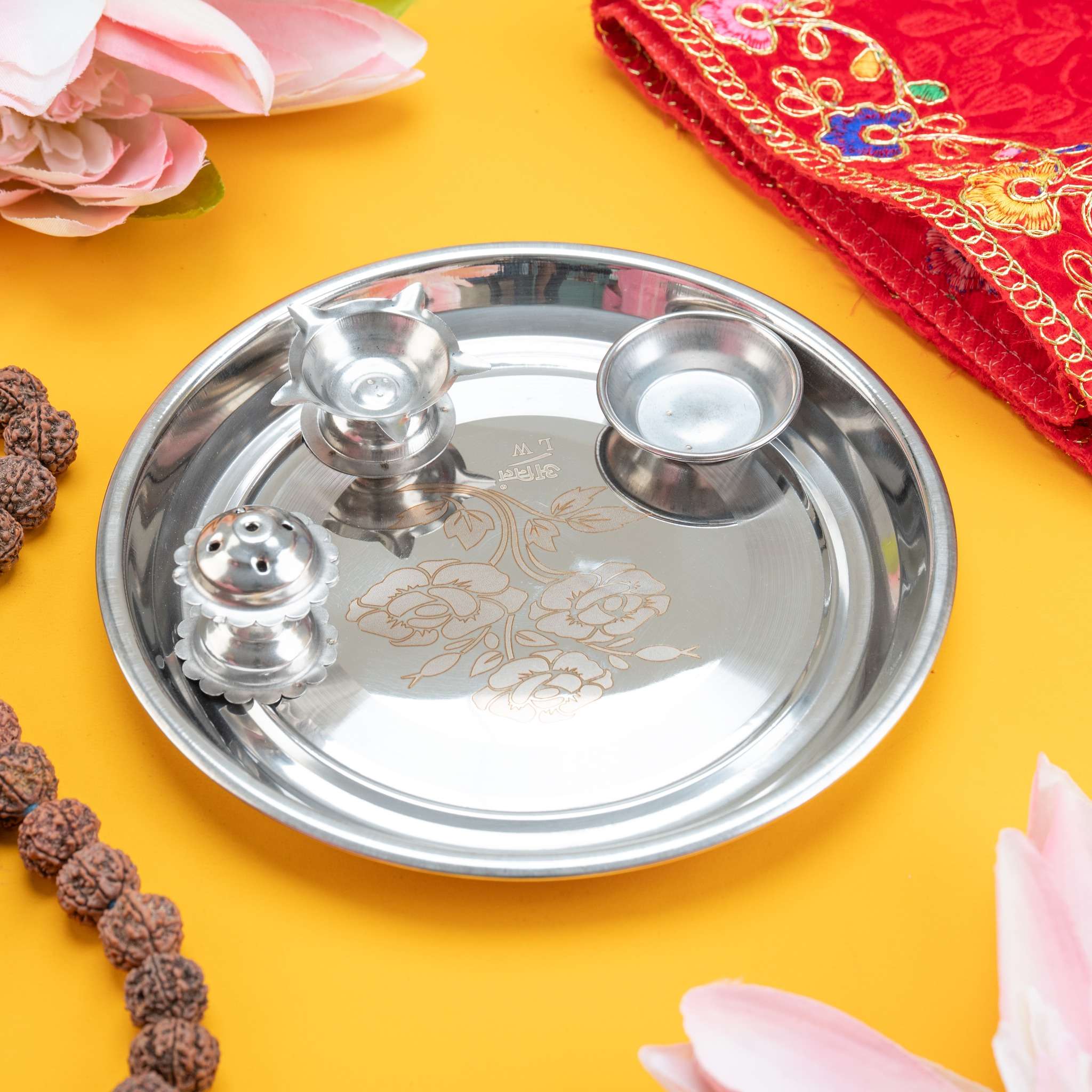
Aarti Thali Set
A reusable thali for diya, roli, akshat and flowers during paath and concluding aarti.
View aarti thaliCommon questions
Sundarkand Path FAQs
Which day is best for Sundarkand Path?
Tuesday and Saturday are commonly chosen for Hanuman worship, but Sundarkand may be read on any day with a clean setting and sincere intention.
How long does Sundarkand Path take?
A complete unhurried recitation often takes about 90 to 120 minutes. The pace varies by edition, pronunciation and whether the paath is individual or in a group.
Can Sundarkand be divided over several days?
Yes. When one sitting is not practical, families may divide the reading into planned portions over several days and resume from the clearly marked place.
Should Hanuman Chalisa be read after Sundarkand?
Many households conclude with Hanuman Chalisa and Hanuman aarti. It is a common devotional sequence rather than a compulsory rule for every tradition.
Can I listen instead of reading?
Listening attentively is a meaningful way to participate, especially while learning pronunciation. Reading along with a trusted text can deepen concentration.
What prasad is offered after Sundarkand?
Boondi, laddu, fruit or another simple sattvic preparation may be offered according to family practice and then shared respectfully.
Continue Hanuman worship
Related Devotional Guides
Read slowly. Carry Hanuman's courage with you.
Keep the paath sequence open while preparing your family prayer space.