


Hanuman Janmotsav
Hanuman Janmotsav marks the birth anniversary of Lord Hanuman, a revered deity known for his devotion, strength, and courage. He is the son of Mata Anjana and Kesari and is also believed to be the divine child of Vayu Deva, the wind god. The date of Mahavir Jayanti varies across regions due to differences in Hindu calendar traditions. However, in most North Indian states, it is widely observed on Chaitra Purnima. Devotees celebrate this auspicious day with prayers, rituals, and hymns dedicated to Lord Hanuman.
Mantra for Hanuman Ji
ॐ हं हनुमते नमः (Om Ham Hanumate Namah)

Hanuman Janmotsav 2026 Date and Time
For those searching hanuman jayanti 2026 date, the festival will be celebrated on:
Date: Thursday, 02 April 2026
Tithi: Chaitra Purnima
Muhurat: पूजा is usually performed during sunrise and evening time
Importance of Hanuman Janmotsav
Hanuman Janmotsav symbolizes the victory of devotion, courage, and selfless service. Lord Hanuman represents:
Strength (Bala)
Intelligence (Buddhi)
Devotion (Bhakti)
Devotees believe that worshipping Hanuman Ji removes fear, negative energies, and obstacles. Chanting his name brings peace and protection. Many also connect this day with Mahavir Jayanti, as both celebrate spiritual strength and discipline.
History of Hanuman Janmotsav
The history of Hanuman Janmotsav is deeply rooted in Hindu mythology and the sacred texts like the Ramayana and Puranas. It marks the birth of Lord Hanuman, who was born to Mata Anjana and Kesari, with the divine blessings of Vayu Dev (the Wind God), which is why he is also known as Pavan Putra. According to beliefs, Hanuman Ji was born on the full moon day (Chaitra Purnima) in the Hindu month of Chaitra, making this day widely celebrated as his birthday. From a young age, he displayed extraordinary strength and divine powers, which played a crucial role in assisting Lord Rama during the battle against Ravana. Over time, this day came to be celebrated as Hanuman Jayanti to honor his unwavering devotion, courage, and selfless service, inspiring devotees to follow the path of bhakti (devotion) and strength in their lives.
Stories of Hanuman Janmotsav
Hanuman and the Sun – The Child Who Tried to Swallow the Sun
One of the most fascinating childhood stories of Lord Hanuman reflects both his innocence and divine strength. As a young बालक, Hanuman once saw the rising sun glowing brightly in the sky and mistook it for a ripe फल (fruit). Driven by curiosity and hunger, he leaped into the sky to grab and eat it. Such was his शक्ति (power) that he flew across vast distances effortlessly. Seeing this, the gods were astonished. However, this act disturbed the balance of the universe, and Lord Indra struck Hanuman with his thunderbolt (Vajra), causing him to fall back to Earth. This incident angered Vayu Dev (the Wind God), who withdrew air from the universe, leading to chaos. To calm him, the gods blessed Hanuman with immense powers, making him invincible, wise, and immortal. This story is a key part of Hanuman birthday legends, symbolizing his limitless energy, divine origin, and childlike purity.
Hanuman’s Journey to Lanka
Hanuman’s journey to Lanka is one of the most powerful episodes from the Ramayana, showcasing his devotion (bhakti) and courage (veerता). When Mata Sita was abducted by Ravana, Lord Rama’s army needed someone capable of crossing the vast ocean to locate her. Hanuman, realizing his true strength, took a gigantic leap across the sea to Lanka. During this journey, he overcame several obstacles, including demons like Surasa and Simhika, proving his intelligence and determination. Upon reaching Lanka, he found Mata Sita in Ashok Vatika and delivered Lord Rama’s संदेश (message), giving her hope and strength. Before leaving, Hanuman destroyed parts of Lanka and set it ablaze with his burning tail, symbolizing the beginning of Ravana’s downfall. This story highlights why Hanuman is considered the ultimate devotee his actions were driven purely by love and loyalty towards Lord Rama.
Hanuman Lifting the Dronagiri Mountain
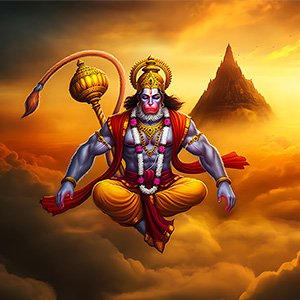
During the great battle between Lord Rama and Ravana, Lakshman was severely injured by a powerful weapon. The only cure was the Sanjeevani बूटी, a rare herb found on the Dronagiri mountain in the Himalayas. Hanuman was entrusted with the crucial task of bringing the herb before sunrise. Reaching the mountain, he faced a challengehe could not पहचान (identify) the exact herb. Without wasting time, Hanuman lifted the entire Dronagiri mountain and carried it back to the battlefield. This extraordinary act saved Lakshman’s life and ensured the continuation of the battle against evil. It is one of the most celebrated stories that reflects Hanuman’s strength, quick thinking, and dedication.
Hanuman Janmotsav Puja Vidhi
To perform Hanuman Janmotsav Puja at home:
Wake up early and take a bath
Clean the पूजा space
Place Hanuman idol or picture
Offer flowers, sindoor, and prasad
Light diya and incense sticks
Recite Hanuman Chalisa and aarti

12 Names of Hanuman Janmotsav
On Hanuman Janmotsav, chanting the 12 names of Lord Hanuman is considered highly auspicious:
Hanuman
Anjaneya
Vayuputra
Mahabali
Ramestha
Phalguna Sakha
Pingaksha
Amit Vikrama
Udadhikramana
Sita Shoka Vinashana
Lakshmana Prana Data
Dashagriva Darpaha
How to Celebrate Hanuman Janmotsav
Devotees celebrate Hanuman Jayanti with great enthusiasm:
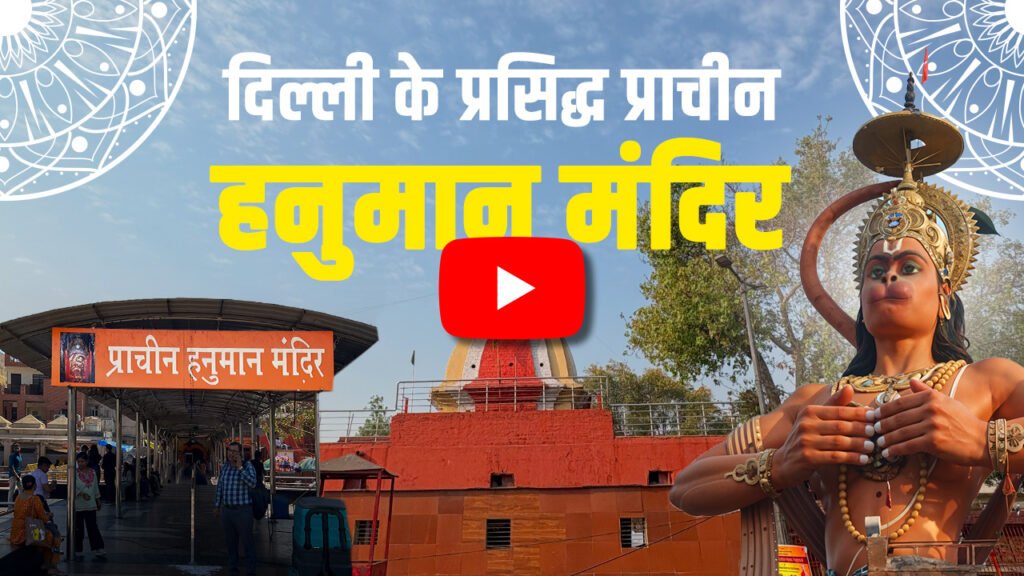
Visiting Hanuman temples
Chanting Hanuman Chalisa
Offering sindoor, jasmine oil, and laddoos
Observing fast (vrat)
Participating in bhajan and kirtan
States where Hanuman Janmotsav 2026 is Celebrated
North India: Most North Indian States observe hanuman jayanti on chaitra purnima.
Tamil Nadu: Known as Hanumath Jayanthi, it is celebrated on Margashirsha Amavasya.
Andhra Pradesh & Telangana: Hanuman Jayanti is a 41-day celebration, starting on Chaitra Purnima and concluding on the tenth day of Krishna Paksha in Vaishakha month. Devotees undertake a 41-day Deeksha beginning on Chaitra Purnima.
Karnataka: Observed as Hanuman Vratam, it falls on Shukla Paksha Trayodashi in Margashirsha month.
Odisha: Hanuman Jayanti is celebrated on Vishubha Sankranti, also known as Mesha Sankranti in other Hindu calendars.

Frequently Asked Questions
Why is Hanuman Jayanti celebrated twice?
Mahavir Jayanti or Hanuman Jayanti is observed twice a year due to different regional traditions. In North India, it is celebrated on Chaitra Purnima (March-April), while in South India, it is observed on Margashirsha Amavasya (December-January).
What are the two dates of Hanuman Jayanti 2025?
In 2025, Hanuman Jayanti falls on April 12 (Chaitra Purnima) in North India and December 28 (Margashirsha Amavasya) in Tamil Nadu and some other regions.
Is Hanuman Jayanti his birthday?
Yes, Hanuman Jayanti marks the birth anniversary of Lord Hanuman, the devoted disciple of Lord Rama and the son of Anjana and Kesari.
What is the favorite fruit of Hanuman?
Lord Hanuman’s favorite fruit is ber (jujube fruit), as per Hindu scriptures. Devotees often offer beer and bananas during Hanuman Puja.
When is Hanuman Jayanti?
Hanuman Jayanti will be celebrated on Saturday, April 12, with the Purnima Tithi starting at 3:21 AM on April 12 and concluding at 5:51 AM on April 13.
Hanuman Jayanti kab hai 2026?
Hanuman Jayanti 2026 is on 2 April 2026.
What are Hanuman Jayanti wishes in Hindi?
“हनुमान जी की कृपा आप पर बनी रहे। शुभ हनुमान जयंती!”