

Hindu Fasting Days | Hindu Vrat List - Collection of Hindu Vrat and Upavas
Hindu Vrat List: “Fasting Days of Hindus”, the sacred tradition of fasting (Vrat), an integral part of Sanatana Dharma that combines discipline, devotion, and spiritual elevation. Observing fasts on specific days of the week is not just about abstaining from food—it is a conscious effort to connect with the divine energies associated with each day, aligned with specific deities and intentions.
Across India, devotees follow weekly fasting rituals from Monday to Sunday, each dedicated to a particular deity and purpose. These fasts are observed with great faith and discipline, often accompanied by prayer, puja, katha recitation, and acts of charity. For example, Monday (Somvar) is devoted to Lord Shiva, while Tuesday (Mangalvar) is for Hanuman or Durga Mata. Each day carries its own significance, benefits, and spiritual practices.
Collection of Hindu Vrat and Upavas
Fasting in Hinduism is more than abstaining from food—it’s a spiritual discipline that aligns your energy with divine deities associated with each weekday. Each Vrat (fast) is observed with faith, rituals, and unique intentions.
Hindu Fasting Days (Hindu Vrat List)
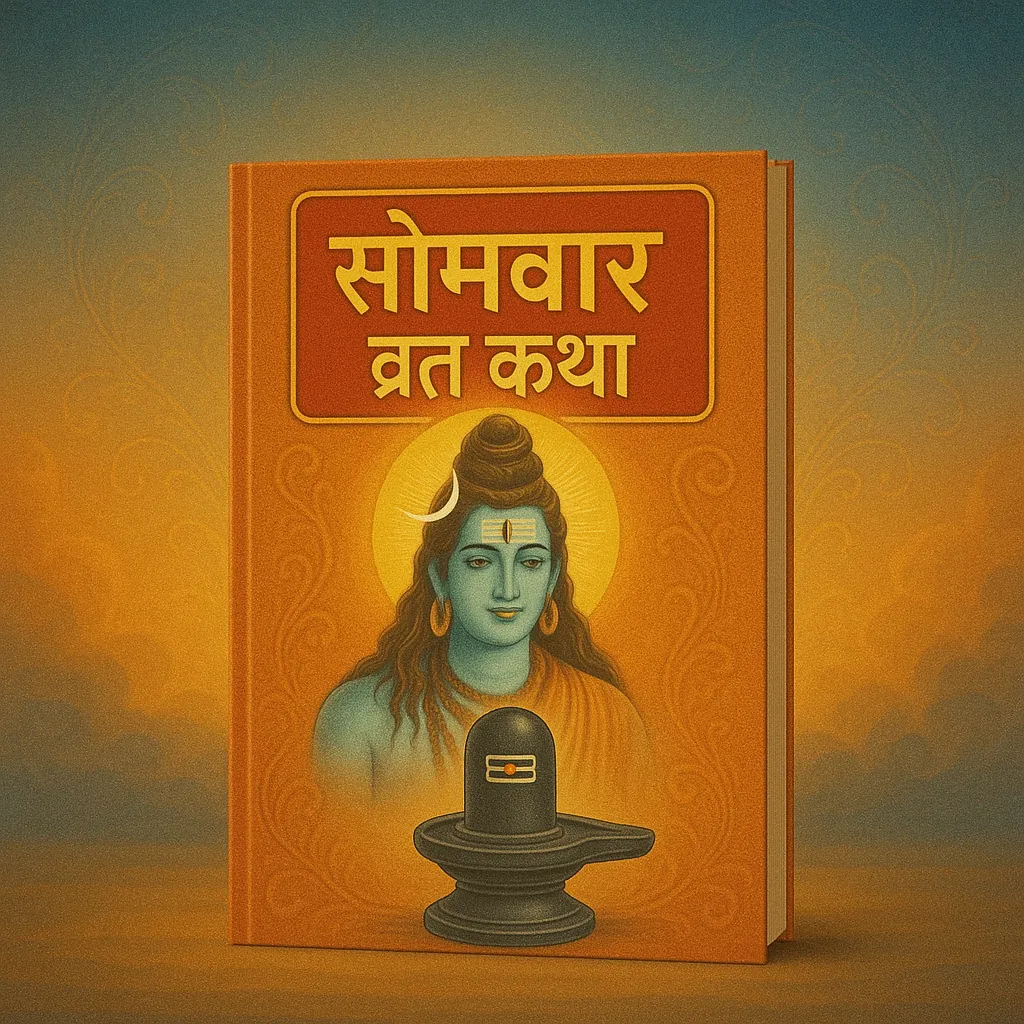
- Somvar Vrat – Shiva’s blessings, peace, marital harmony
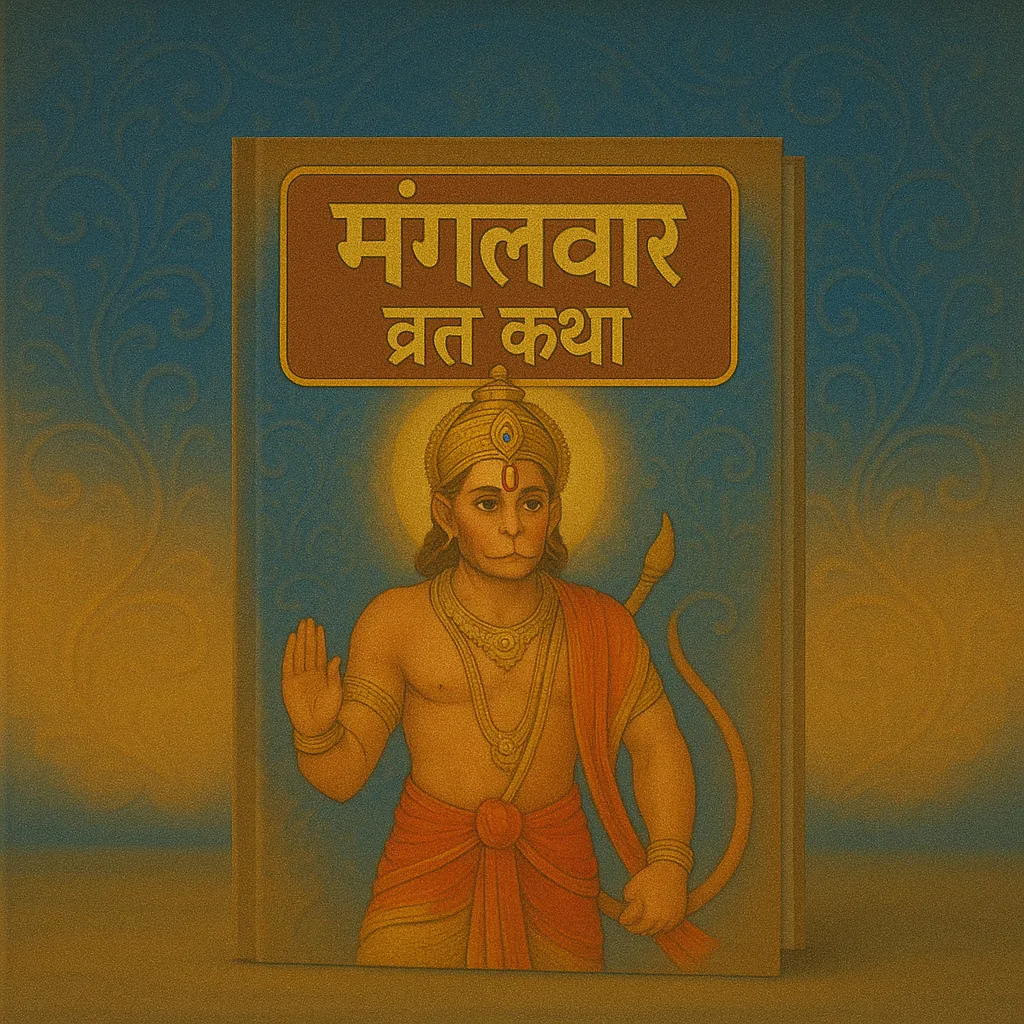
- Mangalwar Vrat – Strength, courage, protection, Durga grace
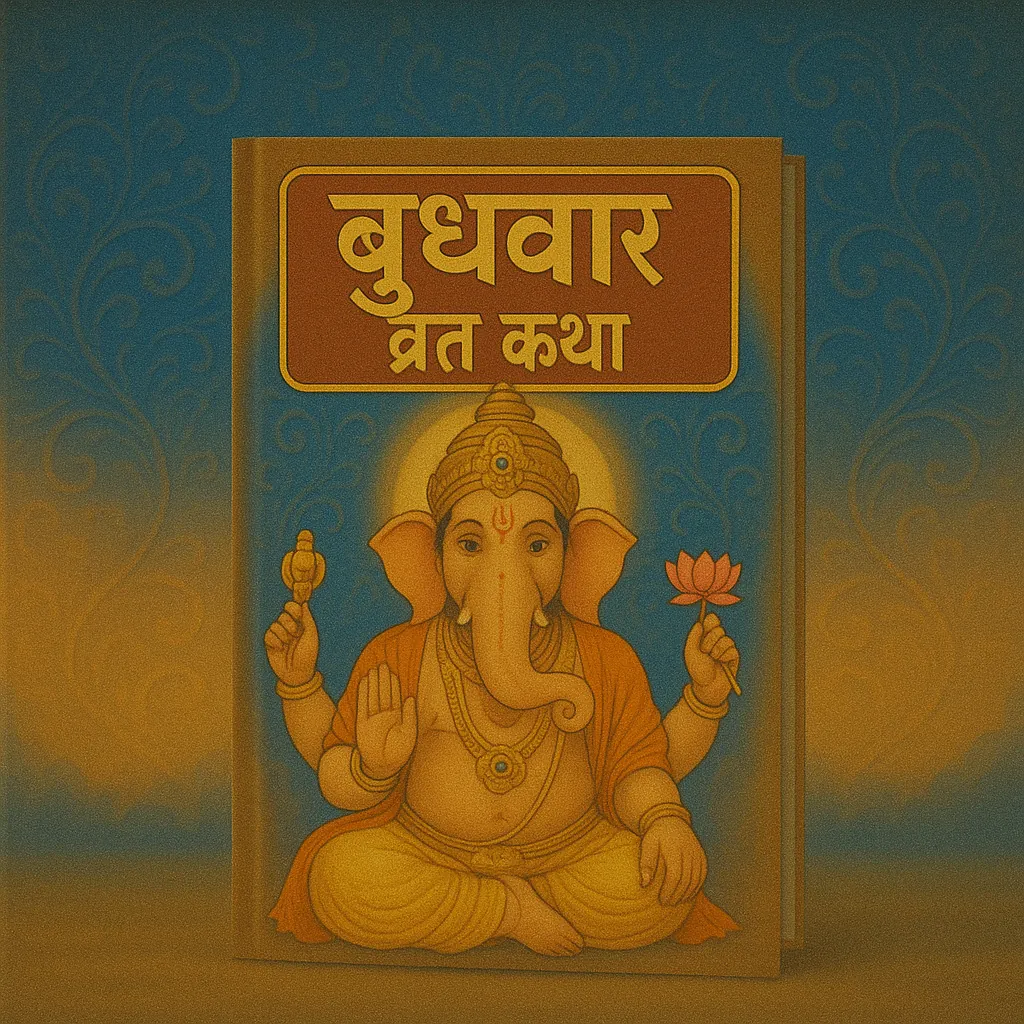
- Budhwar Vrat – Ganesha’s wisdom, business, communication clarity
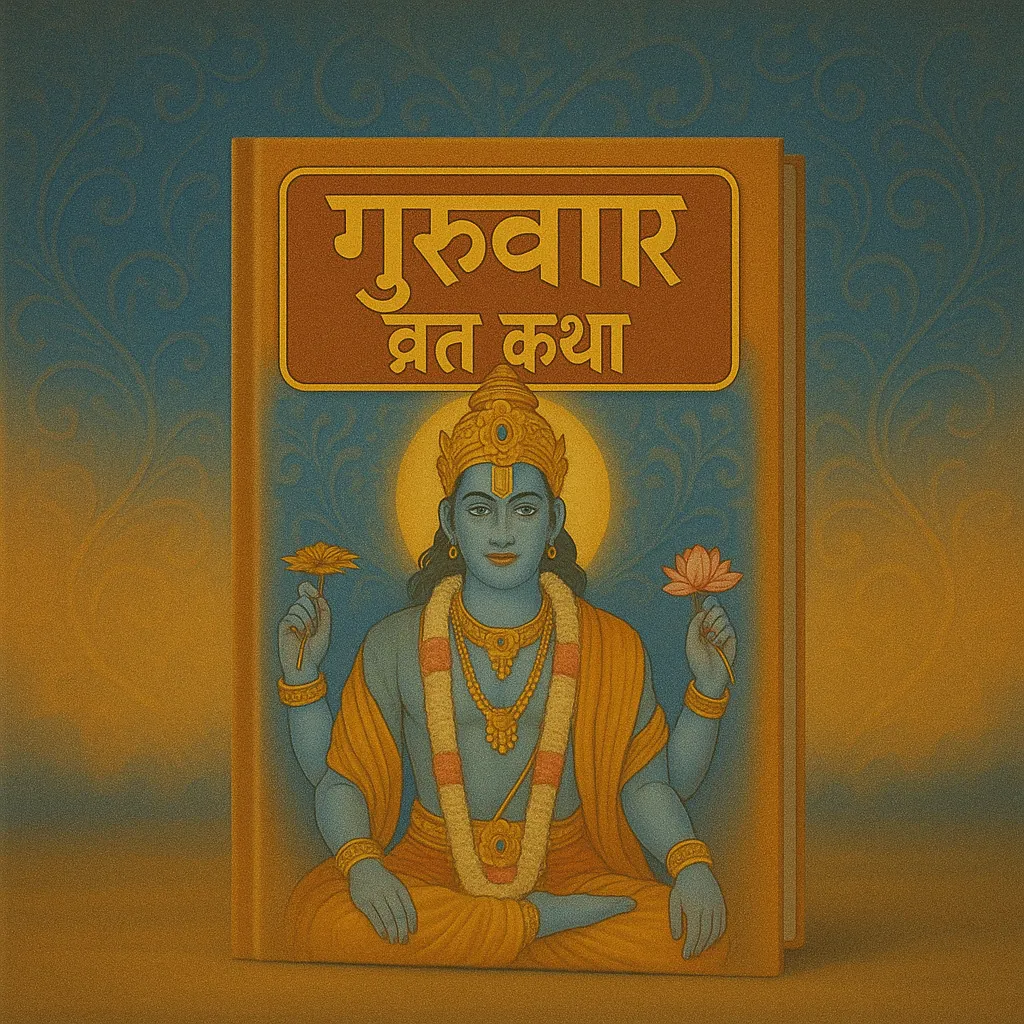
- Brihaspativar Vrat – Knowledge, family harmony, Vishnu’s grace
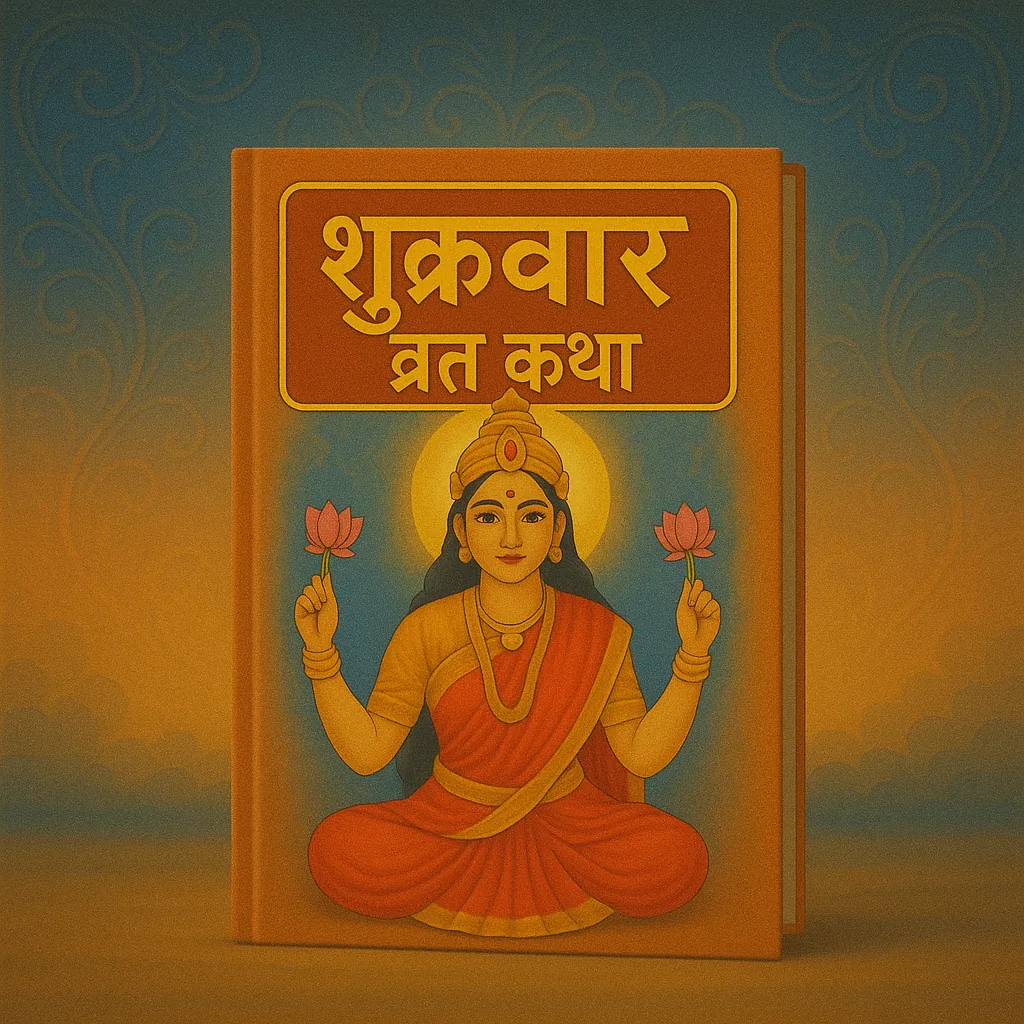
- Shukravar Vrat – Wealth, prosperity, Lakshmi’s divine blessings
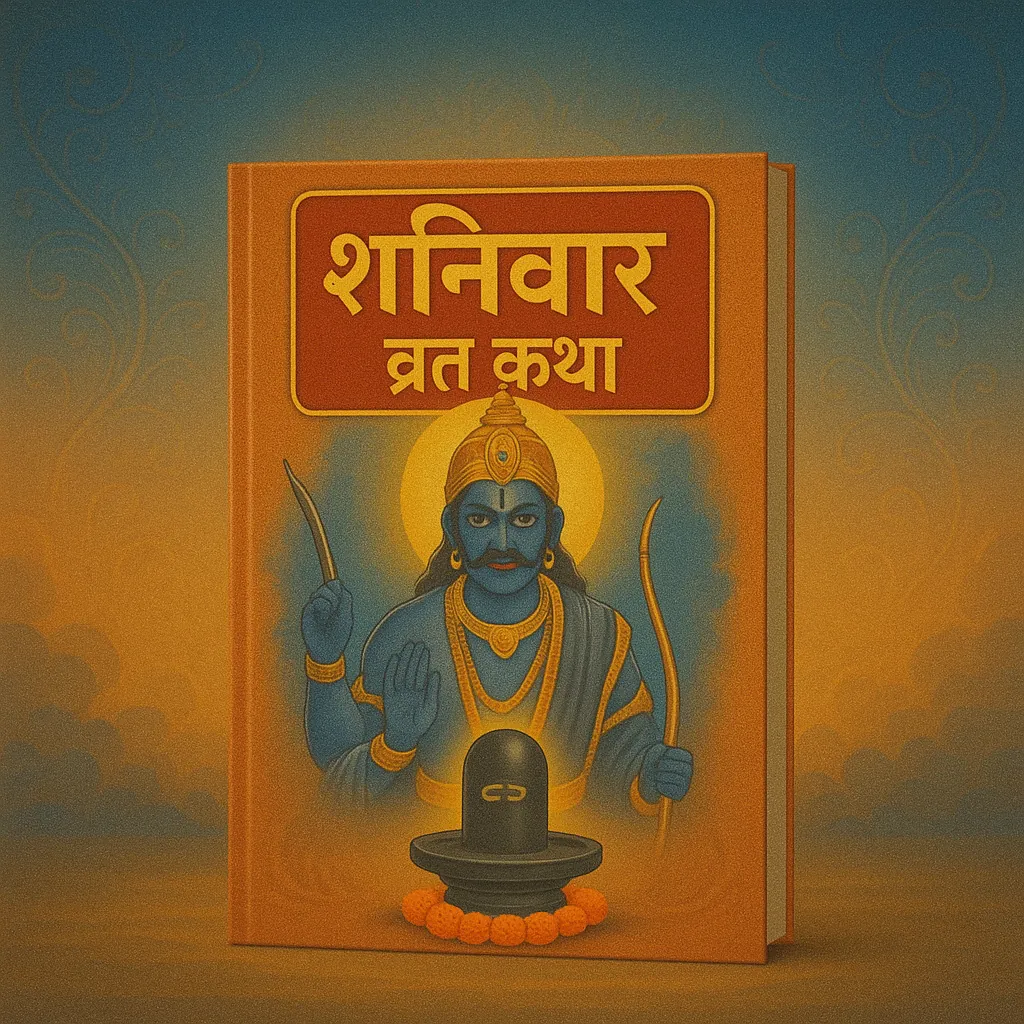
- Shanivar Vrat – Shani’s protection, karma cleansing, discipline
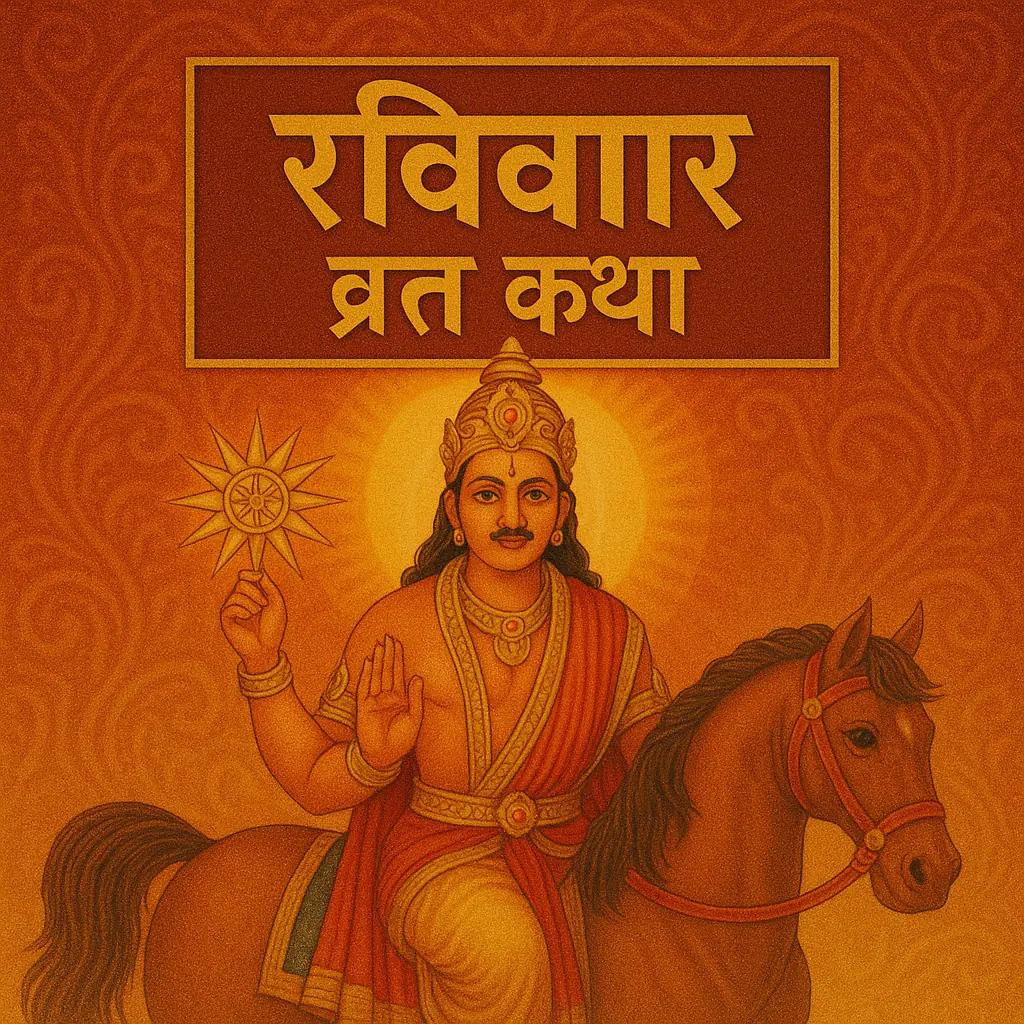
- Ravivar Vrat – Sun energy, health, radiant success
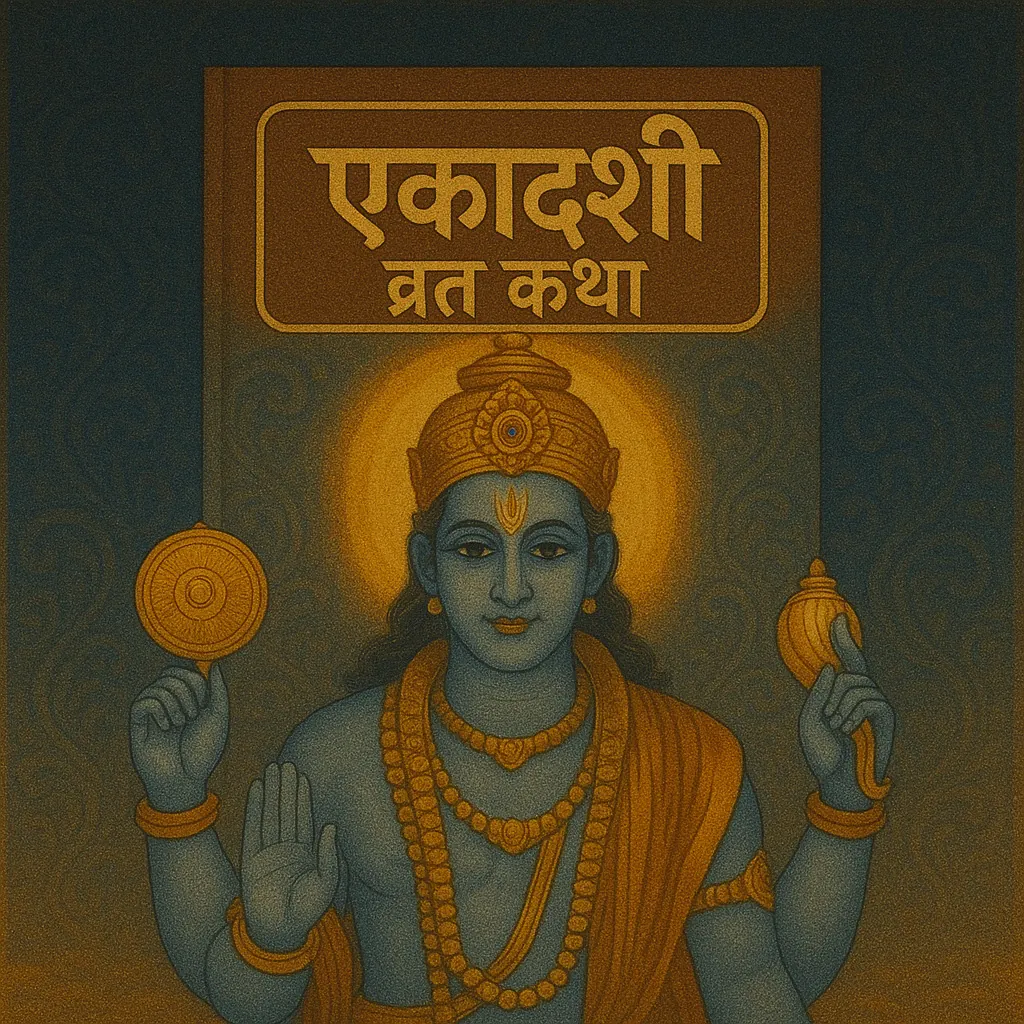
- Ekadashi Vrat – Vishnu’s grace, detachment, path to moksha
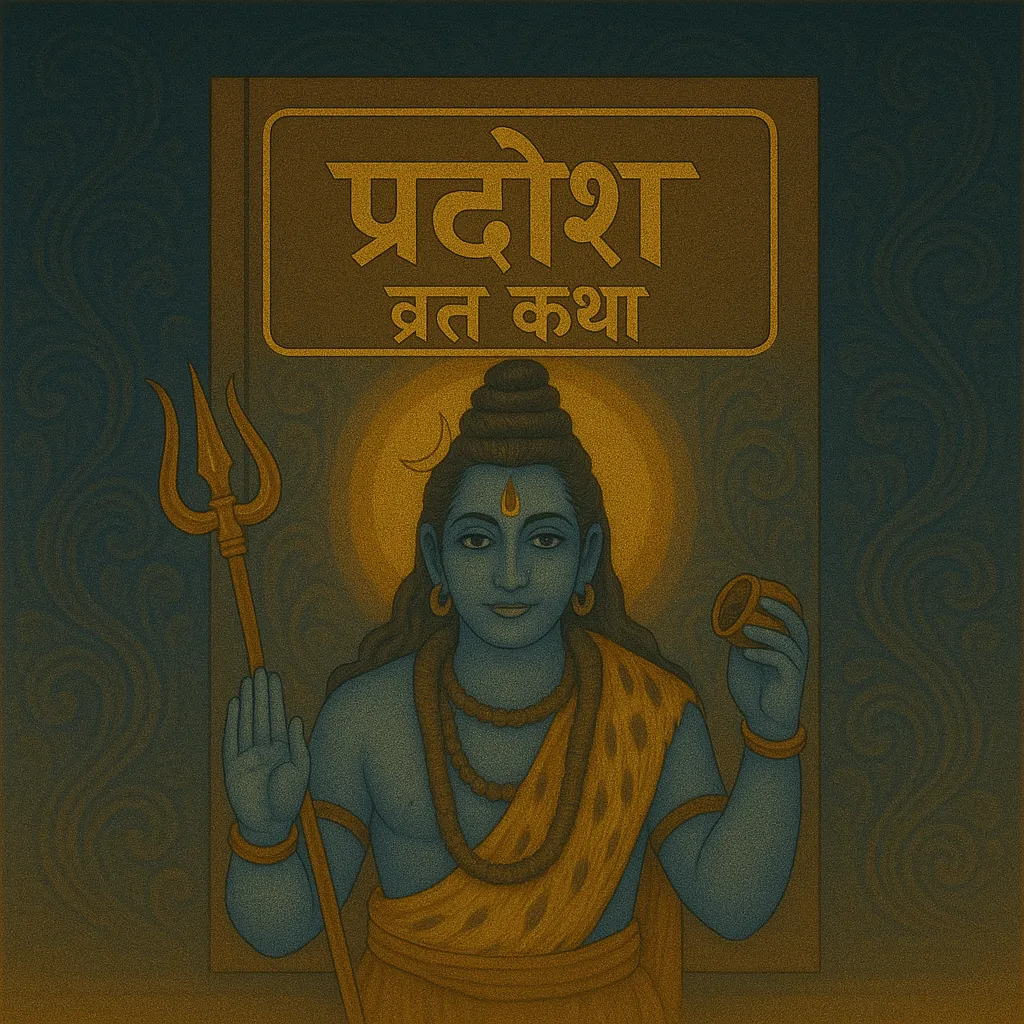
- Pradosh Vrat – Shiva’s worship, karma clearing, prosperity
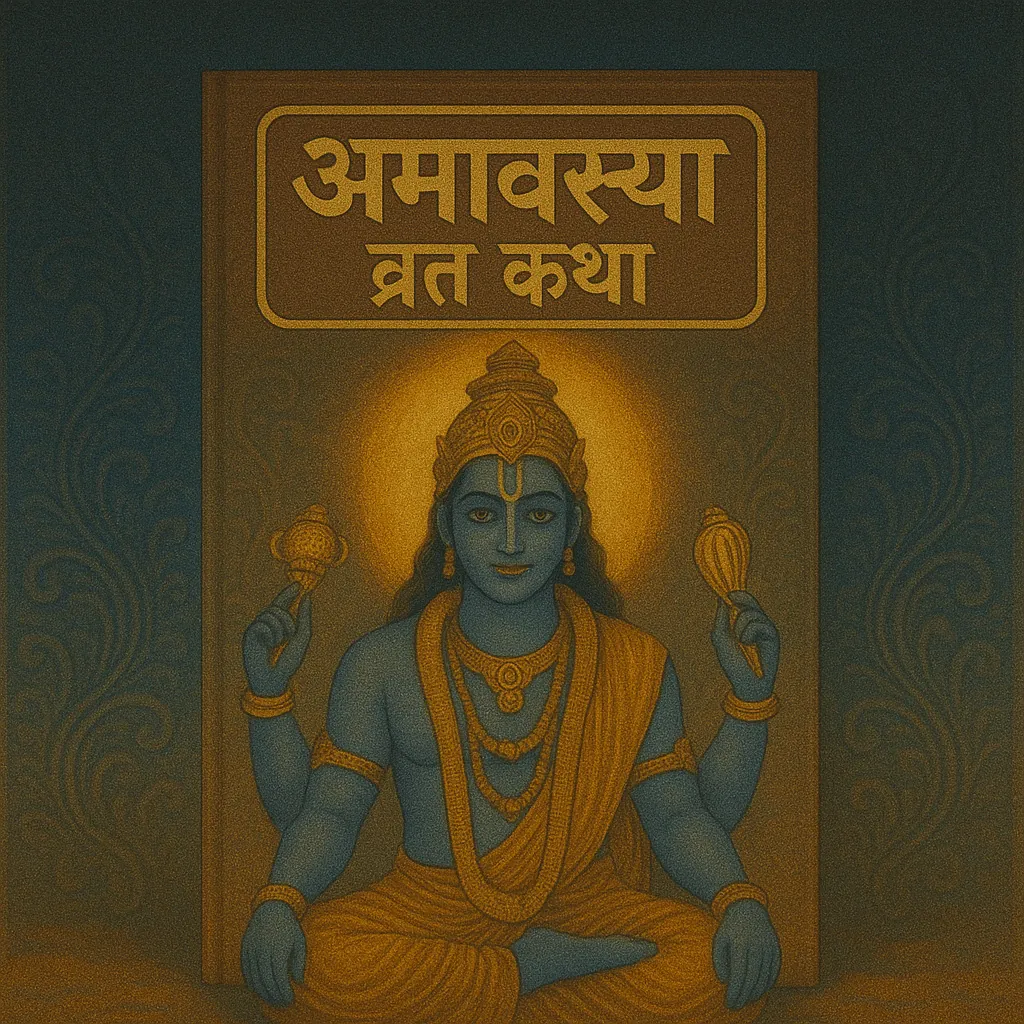
- Somvati Amavasya Vrat – Ancestral blessings, longevity, peace, karmic cleansing
- Mauni Amavasya Vrat – Silence, purification, inner awakening, moksha path
- Purnima Vrat – Satyanarayan puja, blessings, spiritual growth
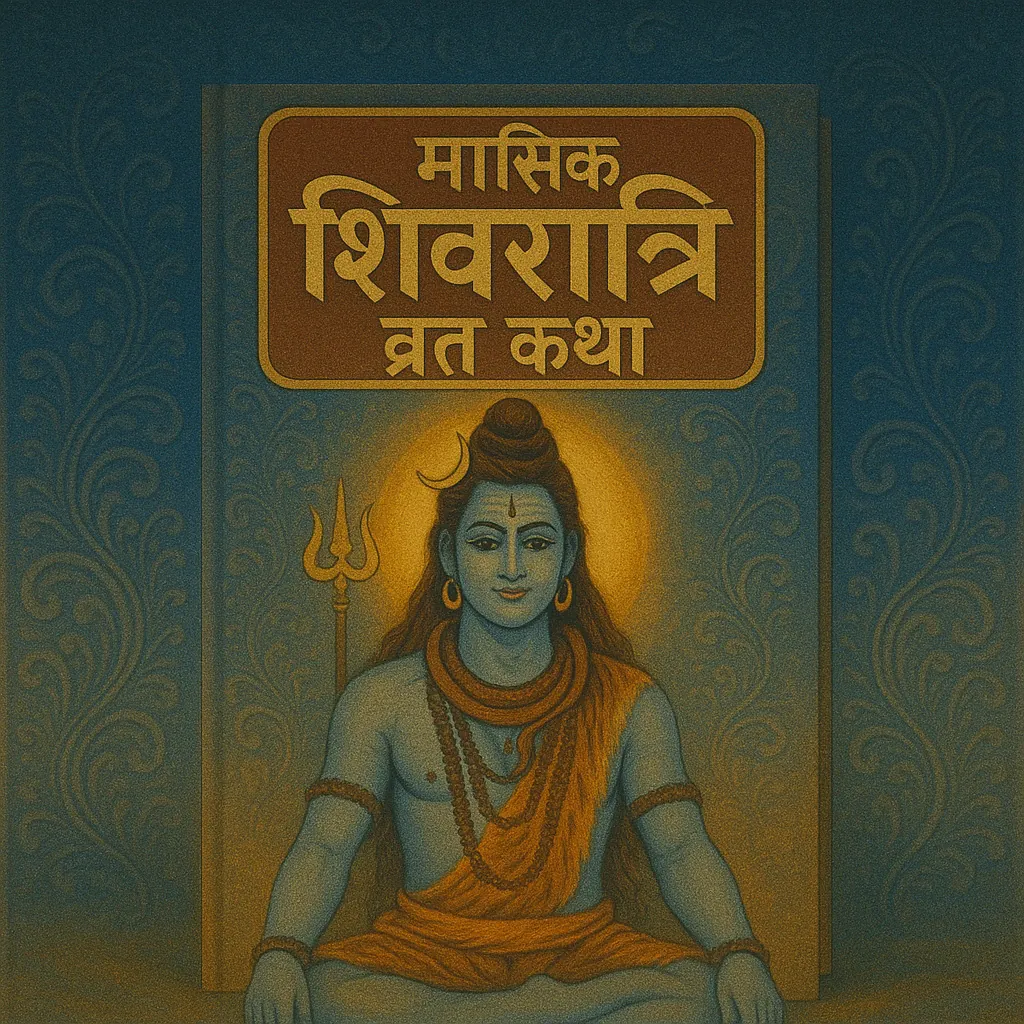
- Masik Shivratri Vrat – Monthly Shiva vrat, deep transformation
Sankashti Chaturthi Vrat – Ganesha’s blessings, obstacle removal, fortune
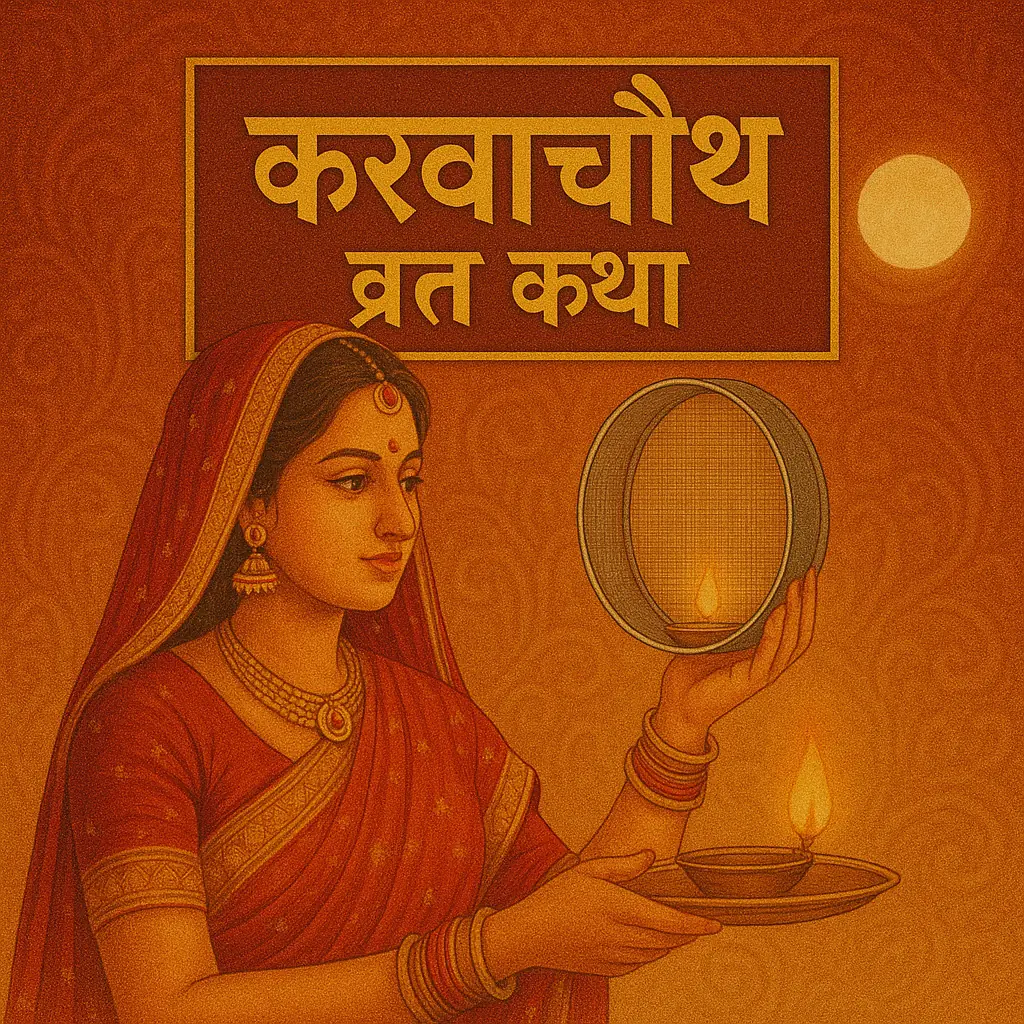
Karwa Chauth Vrat – Marital bliss, longevity of husband, deep devotion, sacred bond of love
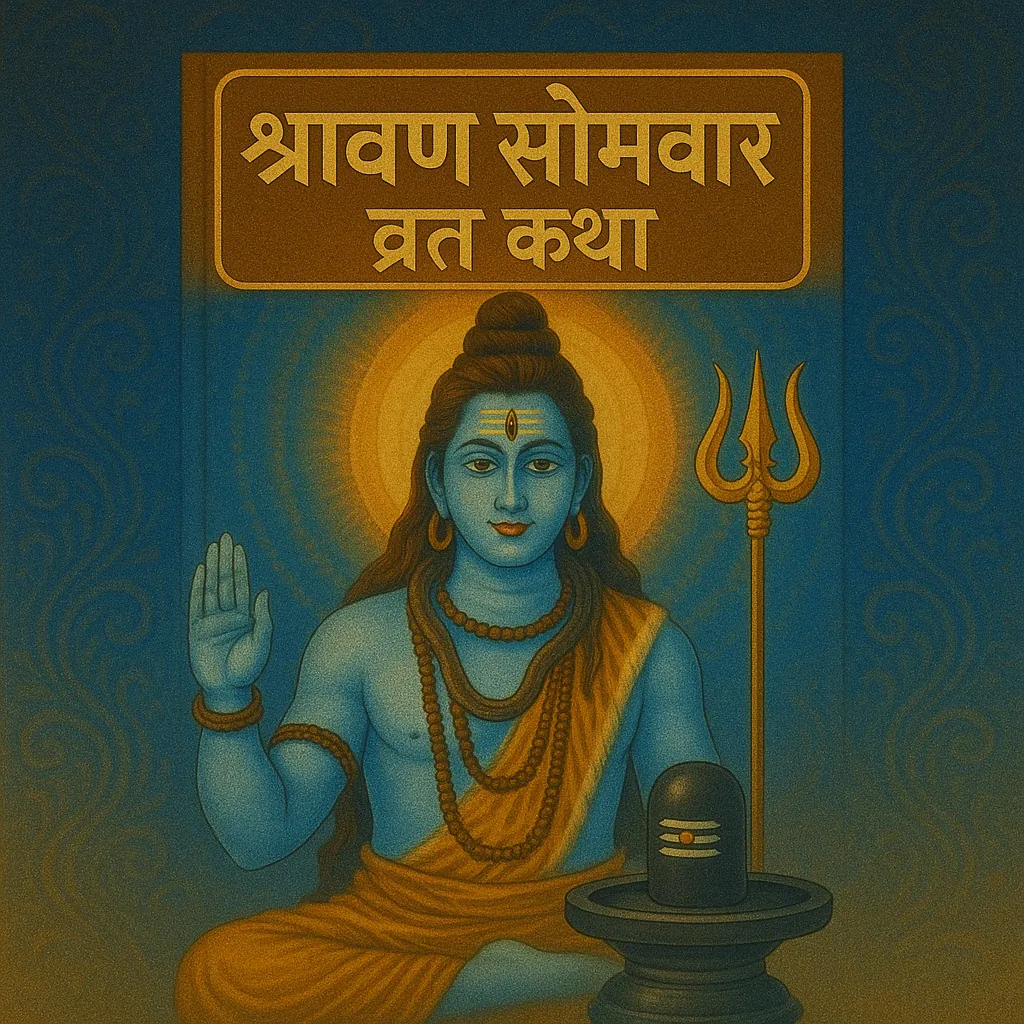
Sawan Somvar Vrat – Shiva’s supreme grace, powerful blessings, wish fulfillment, spiritual elevation during holy Shravan month

Somvar Vrat is observed every Monday to worship Lord Shiva and seek his blessings for peace, health, and a happy life. Devotees fast, offer prayers, and visit Shiva temples. It is especially popular among those wishing for a good life partner or marital harmony.
- God Worshipped: Lord Shiva
- Day Observed: Monday
- Associated Color: White or Light Blue

Dedicated to Lord Hanuman or Mangal (Mars), this vrat is for strength, courage, and protection from enemies. Many avoid salt and wear red on this day.
God Worshipped: Lord Hanuman / Mangal Graha
Day Observed: Tuesday
Associated Color: Red

Fasting on Wednesday is done for Lord Ganesha or Mercury (Budh). It enhances communication skills, intelligence, and business success.
God Worshipped: Lord Ganesha / Budh Graha
Day Observed: Wednesday
Associated Color: Green

This vrat is kept to please Lord Vishnu or Brihaspati (Guru). Observers fast and pray for wisdom, knowledge, and family happiness. Yellow food is often consumed.
God Worshipped: Lord Vishnu / Brihaspati
Day Observed: Thursday
Associated Color: Yellow

Shukravar Vrat is kept for Goddess Lakshmi to gain wealth, prosperity, and harmony at home. Devotees wear white clothes and offer sweets and white flowers.
Goddess Worshipped: Goddess Lakshmi
Day Observed: Friday
Associated Color: White or Pink

Dedicated to Lord Shani (Saturn), this vrat is observed to reduce the ill effects of Shani dosha. Devotees light sesame oil lamps and offer black sesame seeds.
God Worshipped: Lord Shani
Day Observed: Saturday
Associated Color: Black or Dark Blue

Ravivar Vrat is observed on Sundays to honor the Sun God (Surya). Devotees fast to gain health, vitality, and success in life. The vrat is known to bring positive energy and cure ailments.
God Worshipped: Surya (Sun God)
Day Observed: Sunday
Associated Color: Red or Orange

This vrat is for Lord Shiva, promoting peace, good health, and a suitable partner. Devotees often fast with only fruits or milk.
God Worshipped: Lord Shiva
Day Observed: Monday
Associated Color: White or Light Blue

Observed on Mondays during the holy month of Shravan, this vrat is considered extremely auspicious for pleasing Lord Shiva. Devotees fast and offer milk, bel patra, and water to Shiva Lingam for blessings.
- God Worshipped: Lord Shiva
- Day Observed: Mondays of Shravan month
- Associated Color: White or Light Blue

Observed on the 4th day after the full moon, this fast is for Lord Ganesha. It helps in removing obstacles and brings good fortune.
God Worshipped: Lord Ganesha
Day Observed: Varies (Chaturthi after full moon)
Associated Color: Red or Yellow

This monthly Shivratri is observed on the 14th night of the waning moon to honor Lord Shiva. It is ideal for spiritual growth and divine blessings.
God Worshipped: Lord Shiva
Day Observed: Krishna Paksha Chaturdashi (Monthly)
Associated Color: White

Falling on the full moon, Purnima vrat is considered holy and ideal for fasting and spiritual practices. It’s often linked to Satyanarayan puja.
God Worshipped: Lord Vishnu / Satyanarayan
Day Observed: Full Moon (Purnima)
Associated Color: White or Yellow

Observed on the new moon day, this vrat is significant for ancestral offerings and spiritual cleansing. Many perform tarpan or Pitru Puja.
God Worshipped: Ancestors / Lord Shiva
Day Observed: New Moon (Amavasya)
Associated Color: Black or White

Held twice a month on the 13th lunar day (Trayodashi Tithi), this vrat is for Lord Shiva. It ensures prosperity, health, and removal of past sins.
God Worshipped: Lord Shiva
Day Observed: Trayodashi (twice a month)
Associated Color: Light Blue or White

One of the most important fasts, observed twice a month on the 11th lunar day, it is dedicated to Lord Vishnu. It brings spiritual purity and moksha.
God Worshipped: Lord Vishnu
Day Observed: Ekadashi (twice a month)
Associated Color: Yellow or White
Hindu Vrat List: Frequently Asked Questions
When to read Solah Somvar Vrat Katha?
Read it every Monday after puja during the 16-week Solah Somvar fast.
How to do Sawan Somvar Vrat?
Bathe early, offer milk and water to Shivling, chant mantras, read the vrat katha, and fast with fruits or simple food.
What is the Vrat Katha?
A sacred story recited during a fast, explaining its significance and blessings.
What is Krishna Katha?
Stories and teachings of Lord Krishna shared to inspire devotion and wisdom.
What is the purpose of Vrat?
To gain divine blessings, purify the soul, and strengthen faith.

Weekly fasts, lunar observances and vrat katha
Hindu Vrat List: Weekly Fasts, Katha and Puja Vidhi
Find the right vrat guide by weekday, tithi or festival, with clear links to katha, puja vidhi, rules, videos and available digital guides.
A disciplined devotional practice
What Is Vrat or Upavas?
A vrat is a sacred resolve observed through prayer, self-restraint, fasting or a simplified sattvic diet. Upavas literally suggests staying close to the divine. The purpose is not only to avoid food, but to direct attention toward devotion, reflection and disciplined conduct.
Rules differ by deity, tradition, health and family practice. Some devotees observe nirjala fasting, while others take fruit, milk or one sattvic meal. The guide for each vrat explains the relevant katha, puja and customary niyam.

Choose by weekday
Weekly Hindu Vrat List
Each weekday is traditionally connected with a deity, graha or devotional intention. Open the complete guide for katha, puja vidhi and fasting rules.

Monday
Somvar Vrat
Observed for Lord Shiva with abhishek, mantra, katha and a simple sattvic fast.
Associated deity: Lord Shiva
Read the Somvar Vrat guide
Tuesday
Mangalvar Vrat
A devotional Tuesday fast associated with Hanuman, courage and relief from Mangal-related difficulties.
Associated deity: Lord Hanuman
Read the Mangalvar Vrat guide
Wednesday
Budhwar Vrat
Observed for wisdom, clear communication and auspicious beginnings through Ganesha worship.
Associated deity: Lord Ganesha
Read the Budhwar Vrat guide
Thursday
Brihaspativar Vrat
A Thursday observance for Guru, wisdom, family wellbeing and the blessings of Lord Vishnu.
Associated deity: Lord Vishnu
Read the Brihaspativar guide
Friday
Shukravar Vrat
Friday worship may honor Santoshi Mata or Lakshmi for contentment, harmony and prosperity.
Associated deity: Santoshi Mata or Lakshmi
Read the Shukravar Vrat guide
Saturday
Shanivar Vrat
Observed with discipline, charity and prayer for Shani Dev and relief from hardship.
Associated deity: Shani Dev
Read the Shanivar Vrat guide
Sunday
Ravivar Vrat
A Sunday observance honoring Surya Dev through sunrise arghya, prayer and a sattvic fast.
Associated deity: Surya Dev
Read the Ravivar Vrat guideChoose by tithi and lunar cycle
Monthly and Recurring Hindu Vrats
These observances repeat through the lunar month. Always confirm the date and parana timing using a reliable Panchang for your location.

11th lunar tithi
Ekadashi Vrat
A widely observed Vishnu fast followed by parana on Dwadashi.
Read the Ekadashi Vrat guide
Trayodashi
Pradosh Vrat
Evening Shiva worship observed on the 13th tithi of each lunar fortnight.
Read the Pradosh Vrat guide
Full moon
Purnima Vrat
Full-moon fasting, charity and Satyanarayan worship followed in many homes.
Read the Purnima Vrat guide
New moon
Amavasya Vrat
A day associated with inward reflection, charity and remembrance of ancestors.
Read the Amavasya guide
Monthly Shiva vrat
Masik Shivratri
Monthly night worship of Shiva with fasting, abhishek and mantra.
Read the Masik Shivratri guide
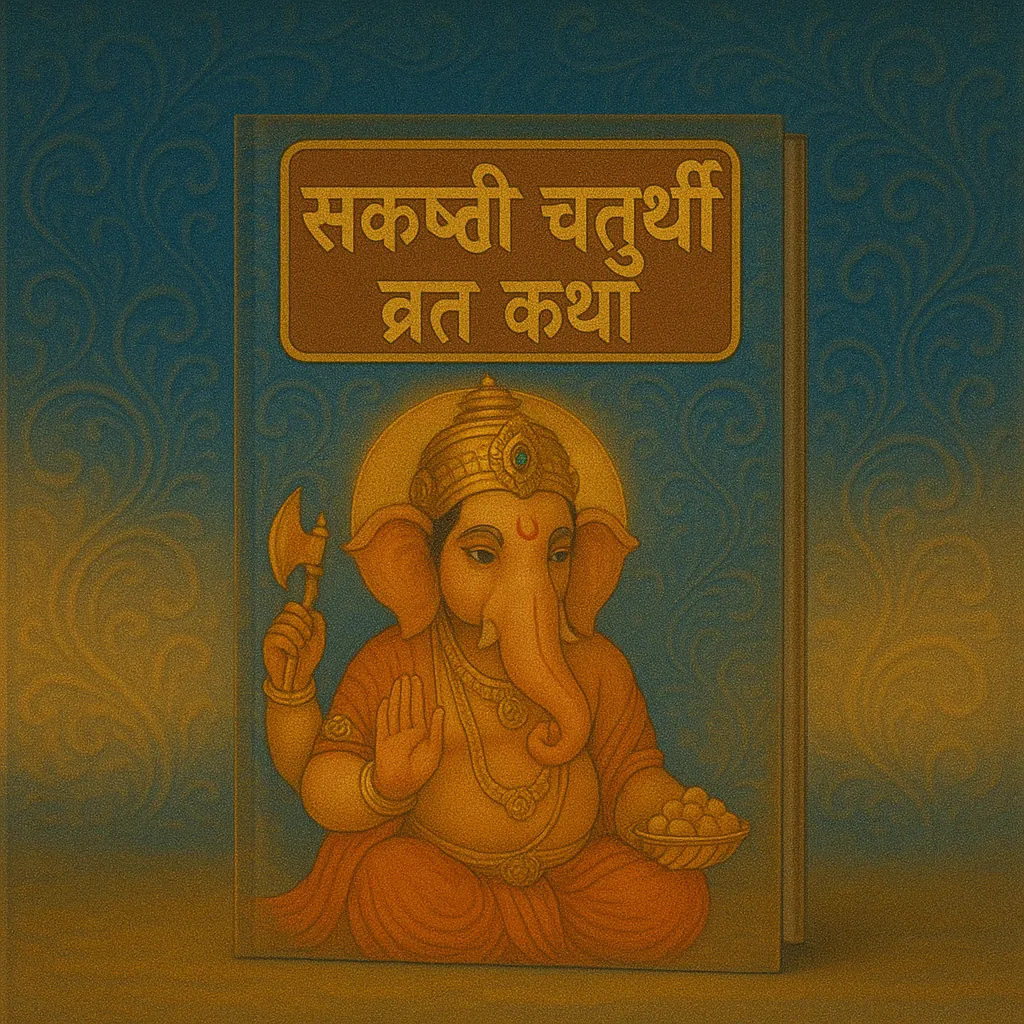
Krishna Paksha Chaturthi
Sankashti Chaturthi
A Ganesha vrat traditionally completed after moonrise darshan and prayer.
Read the Sankashti guideSeasonal and special observances
Popular Festival and Sankalp Vrats
These focused observances are linked to a sacred month, festival or longer devotional commitment.

Sawan Somvar Vrat
Monday fasting and Shiva worship during the sacred month of Shravan.
Read the Sawan Somvar guide
Karwa Chauth Vrat
A nirjala vrat traditionally completed after moonrise and puja.
Read the Karwa Chauth guide
16 Somvar Vrat
A sustained Shiva vrat with weekly puja, katha and eventual udyapan.
Read the complete 16 Somvar guideA practical starting point
How to Observe a Hindu Vrat
Follow the specific guide for your chosen vrat. This simple sequence covers the common foundation of home observance.
Check the date
Confirm the tithi, sunrise rules and parana timing for your location.
Choose the niyam
Decide the form of fasting appropriate to the tradition and your health.
Take sankalp
State the deity, purpose and devotional resolve with sincerity.
Perform puja
Light a diya, make simple offerings and chant the relevant mantra.
Read the katha
Listen to or read the vrat story and reflect on its teaching.
Complete respectfully
Offer aarti and prasad, then observe parana at the correct time.
Watch, read and prepare
Vrat Katha Videos, eBooks and Puja Essentials
Use the format that helps you follow the vrat with clarity while keeping the relevant katha and puja items close at hand.

Aarti Thali and Puja Thali Set
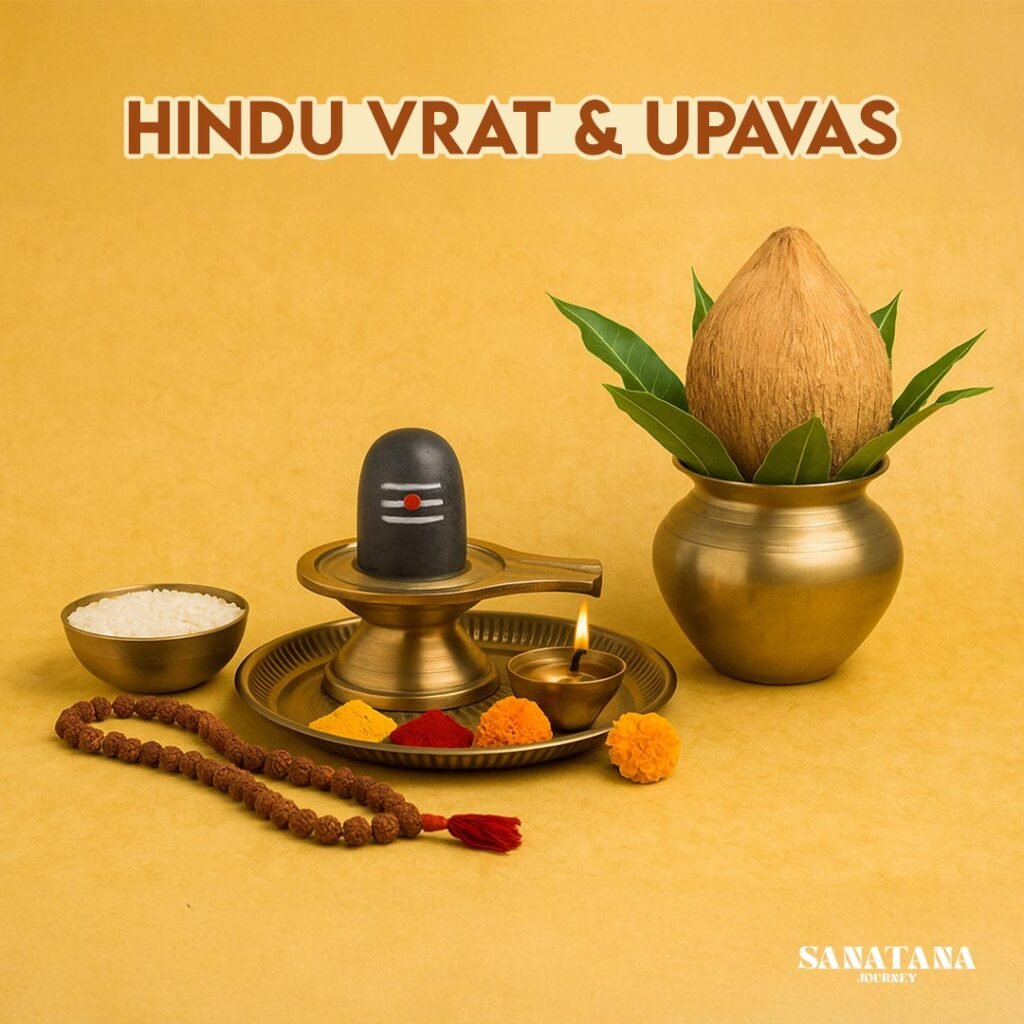
Keep diya, incense, kumkum and offerings arranged for vrat puja.
View the aarti thali
Puja Essential Kit
A complete set for common offerings used in daily and vrat worship.
View puja essentialsCommon questions
Hindu Vrat List FAQs
What is the purpose of observing a vrat?
A vrat develops devotion, discipline and remembrance of the divine. Fasting is one part of the practice; prayer, self-restraint, charity and sattvic conduct are equally important.
Can I observe a vrat without complete fasting?
Yes. Traditions vary, and many vrats allow fruit, milk or one sattvic meal. Health, age and family custom should guide the appropriate form of observance.
When should I read the vrat katha?
The katha is usually read after the main puja or at the time specified by the particular vrat tradition. The complete guide for each vrat explains the customary sequence.
How do I find the correct vrat date?
Use a location-aware Panchang or the Sanatana Journey calendar, because tithi start, end and parana times can vary by place.
What should I eat during a Hindu fast?
Permitted foods differ by vrat and tradition. Common options include fruit, milk, nuts and vrat-friendly preparations without grains or prohibited ingredients.
Where can I find complete Vrat Katha eBooks?
Use the Divine Store Vrat Katha collection linked above. It shows the digital guides currently available for instant delivery.
Plan the next vrat before the date arrives
Check the calendar, open the correct guide and keep the katha ready.