
Mahabharat
Mahabharata is one of the greatest epics ever written and holds immense importance in Indian culture, spirituality, philosophy, and literature. The Mahabharata story is not just about war between the Pandavas and Kauravas, it is a deep exploration of dharma, karma, morality, duty, power, relationships, and human nature.
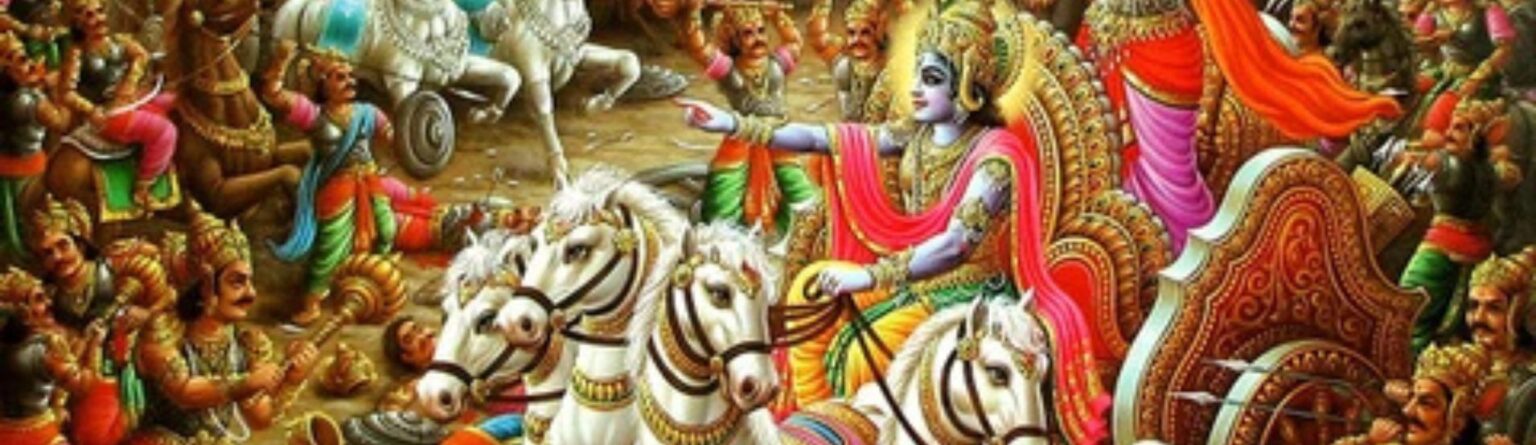
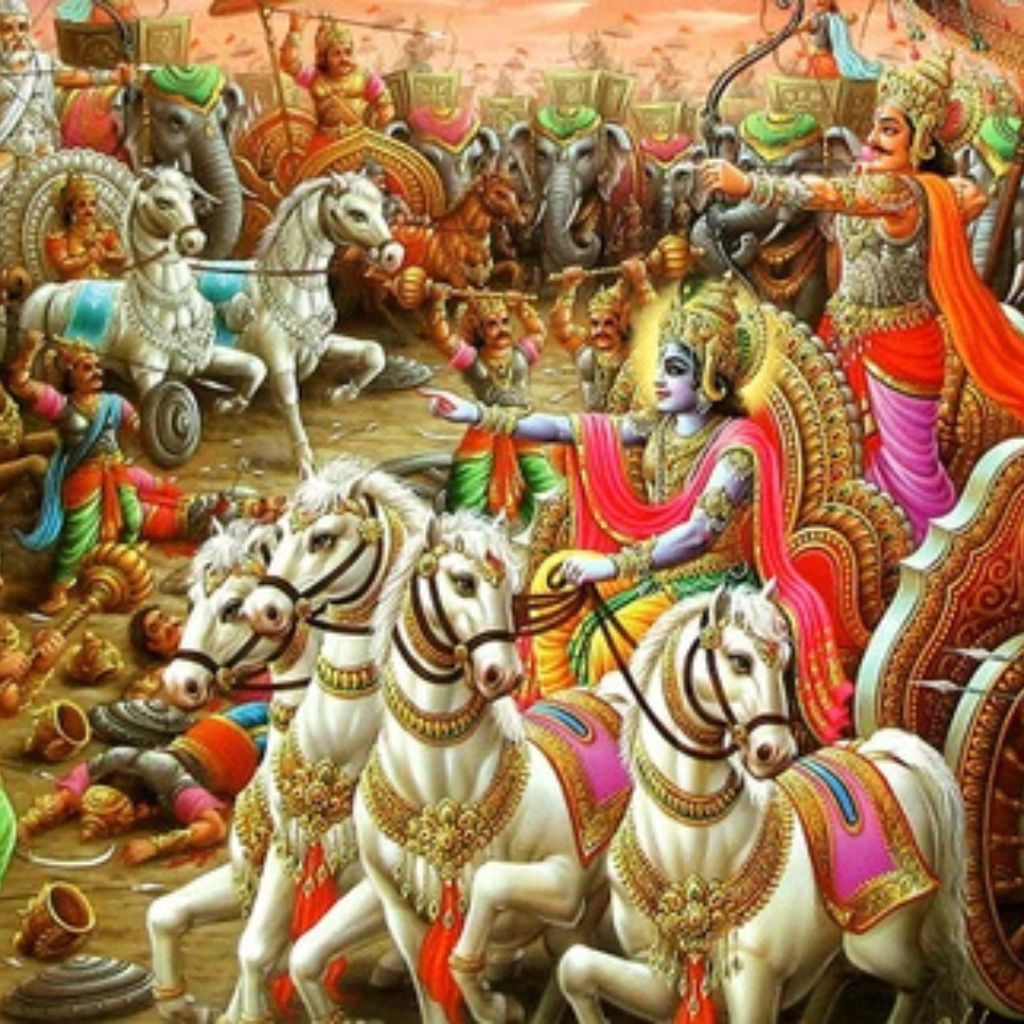
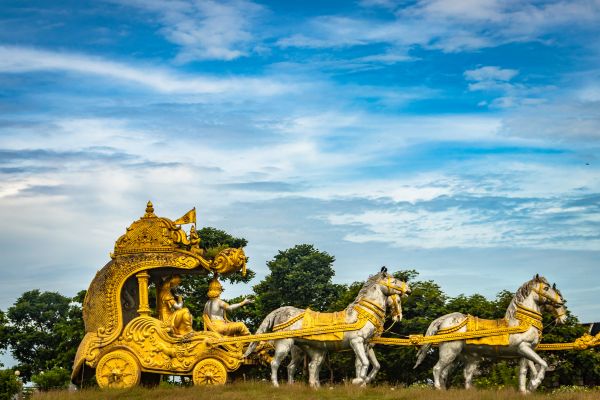
The Mahabharata contains powerful teachings through stories, dialogues, characters, and philosophical lessons, including the sacred Bhagavad Gita spoken by Lord Krishna to Arjuna before the Kurukshetra war.
What is Mahabharat
Mahabharata is an ancient Sanskrit epic that narrates the conflict between the Pandavas and the Kauravas for the throne of Hastinapur. The story revolves around family rivalry, political conflict, morality, justice, greed, sacrifice, and destiny. The Mahabharata story in English is often understood as the story of the Kurukshetra war, but the epic is much larger than the battle itself. It contains philosophy, mythology, politics, ethics, devotion, spiritual teachings, and life lessons that still apply in modern times.
Who Wrote & Composed the Mahabharata?
One of the most searched questions online is: “Who wrote Mahabharata?” Vyasa, also known as Ved Vyasa, is believed to be the author of Mahabharata. This is why searches like “Who composed Mahabharata,” “Who is writer of Mahabharat,” “Mahabharata written by,” “Mahabharata was written by,” and “Author of Mahabharata” are extremely common.
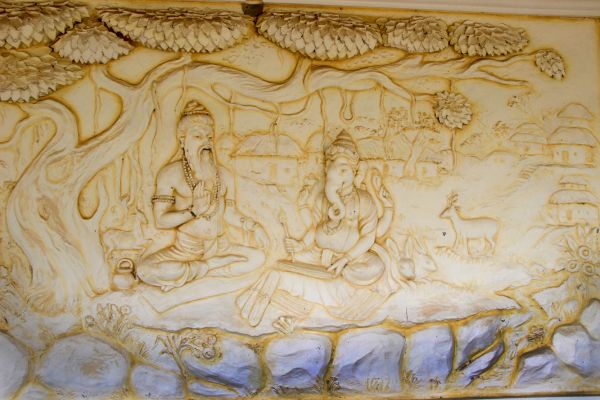
According to tradition, Ved Vyasa dictated the Mahabharata while Lord Ganesha wrote it down. The Ramayana was written by Sage Valmiki, while the Mahabharata was composed by Ved Vyasa.
Importance of Mahabharat
The importance of Mahabharata goes far beyond religion. It is considered a guide to understanding human behavior, leadership, ethics, war, relationships, and spiritual truth. The Mahabharata teaches:
Dharma and moral responsibility
The consequences of greed and ego
The importance of truth and duty
Leadership and sacrifice
Family dynamics and loyalty
Karma and its effects
Spiritual wisdom through the Bhagavad Gita
What Makes the Mahabharata Unique?
Every character carries strengths, flaws, virtues, and weaknesses. Unlike simple stories of heroes and villains, the Mahabharata explores difficult moral questions where right and wrong are not always obvious.
The Bhagavad Gita
Hidden stories and subplots
Political strategy
Spiritual teachings
Emotional conflicts
Philosophical debates
Lessons on karma and dharma
The Characters and the Story of the Mahabharata
Major characters include:
Krishna
Arjuna
Bhima
Yudhishthira
Draupadi
Karna
Duryodhana
Bhishma
The Length of the Mahabharata Book
The Mahabharata is considered the longest epic poem in the world. It contains over 100,000 shlokas and is significantly longer than many other famous epics combined. Today, the Mahabharata is available in Sanskrit, Hindi, English, and many regional Indian languages in both printed and digital formats.
Why Does the Mahabharata Still Matter?
The reason Mahabharata still matters is because its lessons are timeless. The epic discusses:
Power and corruption
Family conflict
Mental struggles
Ethical dilemmas
Leadership failures
Ego and greed
Justice and truth
Spiritual awakening
Even today, people relate to the emotional and moral conflicts shown in the Mahabharata. Its characters feel human, flawed, and deeply realistic. The Mahabharata remains relevant not just as mythology, but as a mirror of human society and psychology.Facts About Mahabharata
Some fascinating facts about the Mahabharata include:
It is the longest epic poem in the world.
The Bhagavad Gita is part of the Mahabharata.
Ved Vyasa is believed to have composed the epic.
Lord Ganesha is said to have written it down.
The Mahabharata contains over 100,000 verses.
It has influenced literature, philosophy, politics, and spirituality for centuries.
The epic has been translated into multiple global languages.
Many modern management and leadership lessons are derived from the Mahabharata.
Mahabharata in Various Indian Regional Languages
Over centuries, Mahabharata has been translated and adapted into almost every major Indian language including Hindi, Tamil, Bengali, Telugu, Kannada, Malayalam, Marathi, Gujarati, Punjabi, and Odia. Television adaptations, regional retellings, animations, books, podcasts, and digital content have made the Mahabharata accessible to newer generations.
Frequently Asked Questions
What is Mahabharata?
Mahabharata is an ancient Indian epic about the conflict between the Pandavas and Kauravas and the Kurukshetra war.
Who wrote the Mahabharata?
The Mahabharata was written by Vyasa.
Who wrote the Ramayana?
Ramayana was written by Sage Valmiki.
What is the summary of Mahabharata?
The Mahabharata summary focuses on the struggle between the Pandavas and Kauravas, leading to the Kurukshetra war and the teachings of the Bhagavad Gita.
Where can I read Mahabharata in English PDF?
Many publishers and websites provide Mahabharata English PDF and Mahabharata PDF in English versions online.
Why is the Mahabharata important?
The Mahabharata teaches life lessons related to dharma, karma, leadership, morality, and spirituality.