
Chaitra Navratri
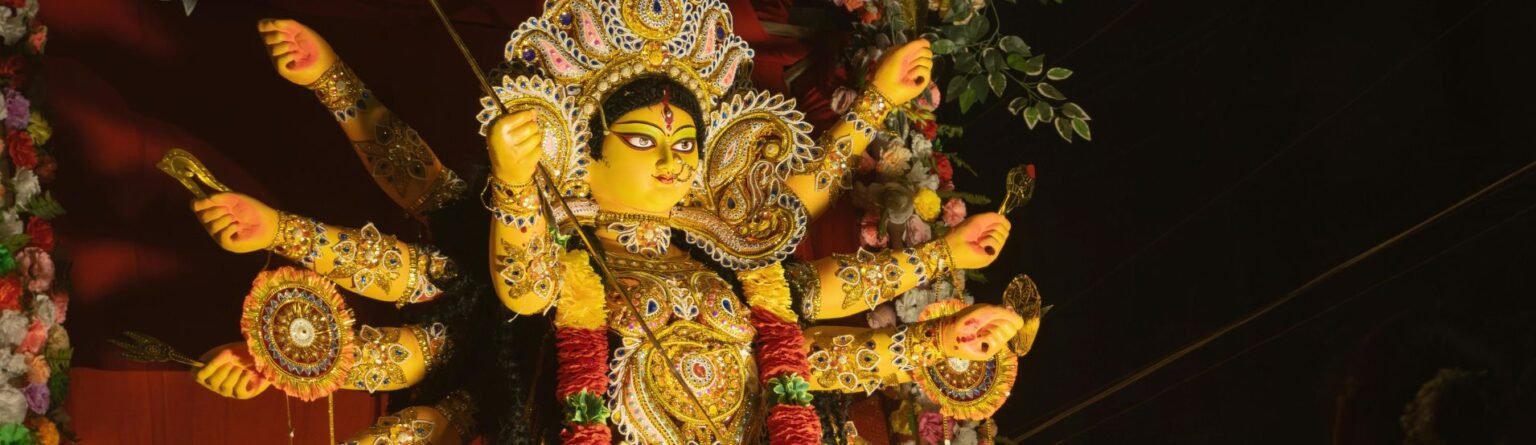
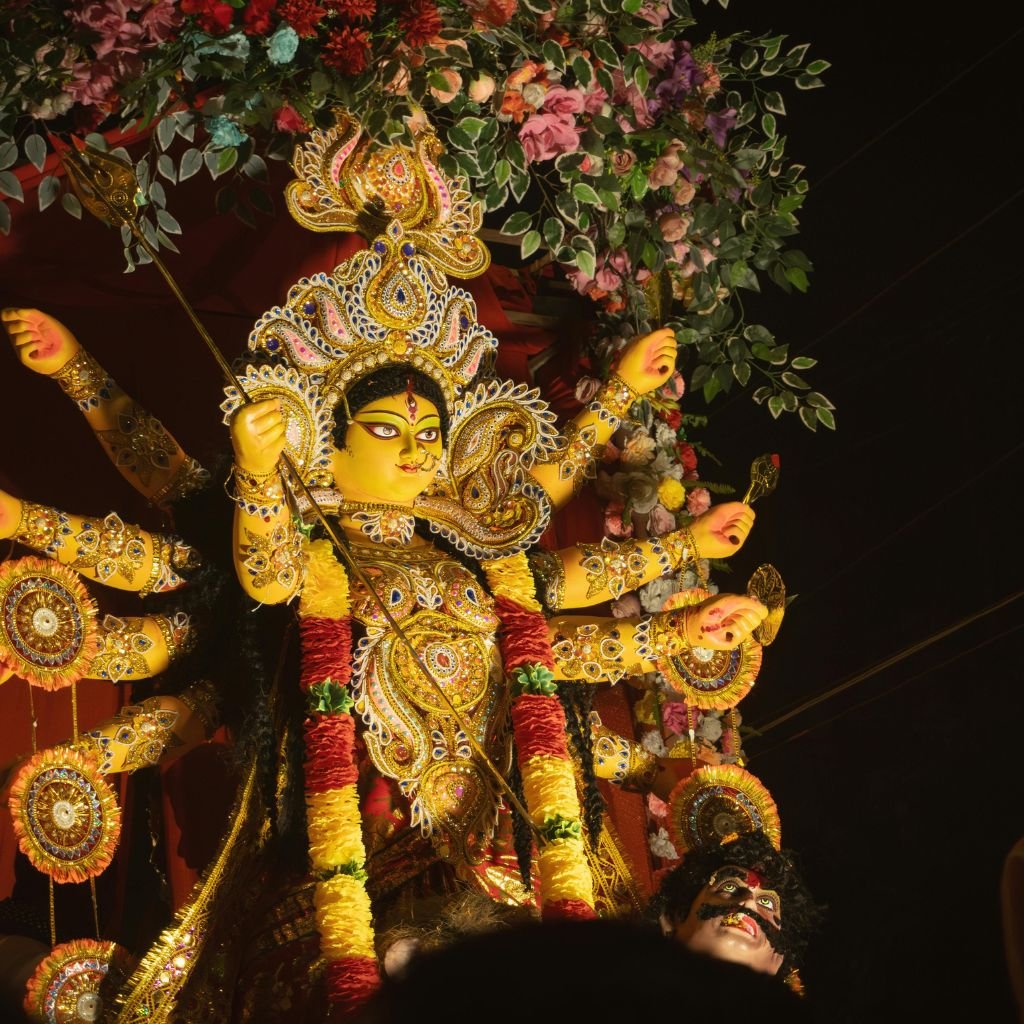
Chaitra Navratri is one of the most sacred Hindu festivals dedicated to the worship of Goddess Durga and her nine divine forms. Celebrated during the Chaitra month of the Hindu lunar calendar, this marks the beginning of the Hindu New Year in many regions of India. This navratri festival usually falls in March or April and lasts for nine days of devotion, fasting, and prayers. During navratri, devotees worship the nine forms of Goddess Durga, perform rituals, and observe fasts to seek blessings for prosperity and happiness.
Chaitra Navratri 2026
In 2026, Chaitra Navratri 2026 will begin on March 19, 2026, and continue for nine days. The navratri 2026 date marks the beginning of the spring navaratri celebrations across India.
Ghatsthapana of Chaitra Navratri
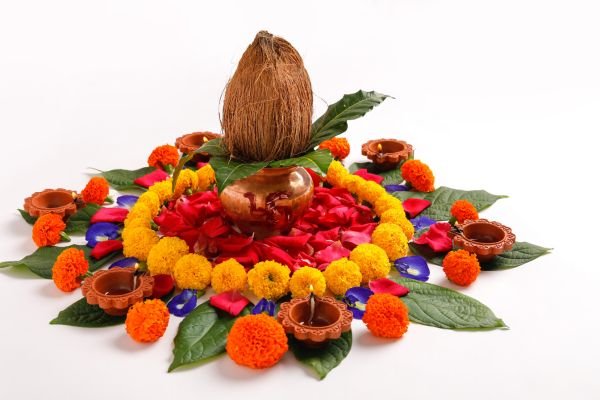
The first ritual of Chaitra Navratri is Ghatsthapana, also known as Kalash Sthapana. It is performed on the first day of navratri 2026 and marks the beginning of the nine-day festival. During Ghatsthapana, devotees place a sacred pot filled with water and grains, symbolizing life and prosperity.
Another significant story associated with Holi is Lord Krishna and Radha’s playful Holi in Vrindavan and Barsana. Krishna, worried about his dark complexion, playfully applied color to Radha’s face, and this tradition has continued as the festival of colors.
Significance of Chaitra Navratri
The significance of Chaitra Navratri lies in spiritual purification and devotion to the divine feminine power. During these nine days, devotees worship the various forms of Durga, seeking protection, wisdom, and prosperity. Each day of navratri represents a different form of the Goddess, symbolizing courage, purity, and strength. This sacred navratri festival is also believed to mark the beginning of spring and the victory of good over evil.
Importance of Chaitra Navratri
The importance of Chaitra Navratri is deeply connected with spiritual growth and new beginnings. Many people start new ventures or religious activities during navratri because it is considered highly auspicious. Devotees follow rituals, recite prayers, and read sacred texts related to Durga and Rama during this time. In many parts of India, navaratri day celebrations include temple visits and community prayers.
Day |
Date |
Goddess |
Color |
Mantra |
|---|---|---|---|---|
Day 1
|
19 March 2026
|
Maa Shailputri
|
Orange
|
ॐ देवी शैलपुत्र्यै नमः॥
|
Day 2
|
20 March 2026
|
Maa Brahmacharini
|
White
|
ॐ देवी ब्रह्मचारिण्यै नमः॥
|
Day 3
|
21 March 2026
|
Maa Chandraghanta
|
Red
|
ॐ देवी चंद्रघंटायै नमः॥
|
Day 4
|
22 March 2026
|
Maa Kushmanda
|
Royal Blue
|
ॐ देवी कूष्माण्डायै नमः॥
|
Day 5
|
23 March 2026
|
Maa Skandamata
|
Yellow
|
ॐ देवी स्कन्दमातायै नमः॥
|
Day 6
|
24 March 2026
|
Maa Katyayani
|
ॐ देवी कात्यायन्यै नमः॥
| |
Day 7
|
25 March 2026
|
Maa Kalaratri
|
Grey
|
ॐ देवी कालरात्र्यै नमः॥
|
Day 8
|
26 March 2026
|
Maa Mahagauri
|
Purple
|
ॐ देवी महागौर्यै नमः॥
|
Day 9
|
27 March 2026
|
Maa Siddhidatri
|
Peacock Green
|
ॐ देवी सिद्धिदात्र्यै नमः॥
|
Chaitra Navratri Puja Vidhi
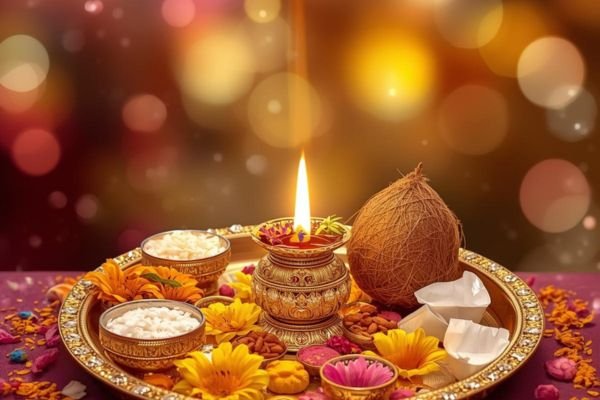
The Chaitra Navratri puja vidhi is simple but deeply spiritual:
Wake up early and take a holy bath.
Clean the house and decorate the puja area.
Perform Ghatsthapana on the first day.
Offer flowers, fruits, and sweets to the Goddess.
Recite Durga mantras and perform aarti.
Chaitra Navratri Puja Items
For performing rituals during Chaitra Navratri, devotees require several puja items, including:
Kalash (sacred pot)
Coconut
Mango leaves
Incense sticks
Flowers and garlands
Fruits and sweets
Red cloth and kumkum
9 Days of Navratri Devi Names and Colours 2026
Experience the spiritual essence of Navratri as we honor the nine divine forms of Maa Durga, each representing unique qualities like strength, wisdom, and prosperity. This sacred festival marks the triumph of good over evil, with each day dedicated to a different avatar of the Goddess. Explore the significance of Shailputri to Siddhidatri, along with their symbolism, colors, and rituals. Let the divine energy of Navratri fill your heart with devotion and positivity.
Navratri is a significant Hindu festival dedicated to the worship of Goddess Durga. Over nine nights, devotees honor her nine distinct forms, known as the Navadurga. Each form embodies unique qualities and symbolizes different aspects of divine feminine power. Here’s a breakdown of the nine forms:

Navratri Day 1: Maa Shailaputri (Pratipada)
Maa Shailputri, the first divine manifestation of Goddess Durga, symbolizes the highest state of consciousness. Her name signifies reaching the highest level of spiritual and emotional realization. By fully experiencing and transcending emotions, devotees connect with divine consciousness, which is the true essence of Shailputri.
Mantra for Worshiping Goddess Shailaputri
|| ॐ ऐं ह्रीं क्लीं शैलपुत्र्यै नमः ||
What Colour to Wear on the First Day of Navratri?
White-colored attire is considered wearing auspicious on Pratipada (the first day of Navratri).

Navratri Day 2: Maa Brahmacharini (Dwitiya)
Maa Brahmacharini, the second manifestation of Goddess Durga, symbolizes penance, devotion, and perseverance. Holding a japa mala and kamandal, she symbolizes determination and deep penance to attain Lord Shiva. Worshiping her blesses devotees with wisdom, patience, and inner strength.
Mantra for Worshiping Goddess Brahmacharini
|| ॐ ऐं ह्रीं क्लीं ब्रह्मचारिण्यै नमः ||
What Colour to Wear on the Second Day of Navratri?
Wearing red-colored attire is considered wearing auspicious on Dwitiya Tithi (the second day of Navratri).

Navratri Day 3: Maa Chandraghanta (Tritiya)
Maa Chandraghanta, the third manifestation of Goddess Durga, symbolizes courage, grace, and divine power. Riding a tiger and holding ten weapons, she symbolizes courage and protection. Worshiping her brings fearlessness, peace, prosperity, and spiritual strength to overcome obstacles.
Mantra for Worshiping Goddess Chandraghanta
|| ॐ ऐं ह्रीं क्लीं चन्द्रघण्टायै नमः ||
What Colour to Wear on the Third Day of Navratri?
Royal blue-coloured attire is considered auspicious on Tritiya Tithi.

Navratri Day 4: Maa Kushmanda (Chaturthi)
Maa Kushmanda, the fourth manifestation of Goddess Durga, is known as the creator of the universe. Depicted with eight arms holding weapons, a rosary, and a nectar-filled kalash, she rides a lion and blesses devotees with positivity, confidence, prosperity, and success.
Mantra for Worshiping Goddess Kushmanda
|| ॐ ऐं ह्रीं क्लीं कूष्माण्डायै नमः ||
What Colour to Wear on the Fourth Day of Navratri?
Yellow-coloured attire is considered auspicious on Chaturthi Tithi.

Navratri Day 5: Maa Skandamata (Panchami)
Maa Skandamata, the fifth manifestation of Goddess Durga, is the mother of Lord Skanda (Kartikeya), the commander of the divine army. Seated on a lotus and holding her son Skanda, she blesses devotees with wisdom, peace, prosperity, and spiritual growth while riding a lion that represents courage and strength.
Mantra for Worshiping Goddess Skandamata
|| ॐ ऐं ह्रीं क्लीं स्कन्दमातायै नमः ||
What Colour to Wear on the Fifth Day of Navratri?
Green-coloured attire is considered auspicious on Panchami Tithi.

Navratri Day 6: Maa Katyayani (Shashti)
Maa Katyayani, the sixth manifestation of Goddess Durga, is known as the warrior goddess. Born from the combined energy of the gods to defeat Mahishasura, symbolizing the victory of good over evil. Riding a lion and holding a sword and lotus, she blesses devotees with courage, confidence, love, and success.
Mantra for Worshiping Goddess Kalaratri
|| ॐ ऐं ह्रीं क्लीं कात्यायन्यै नमः ||
What Colour to Wear on the Sixth Day of Navratri?
Orange-colored attire is considered auspicious on Shashti Tithi.

Navratri Day 7: Maa Kalaratri (Saptami)
Maa Kalaratri, the seventh manifestation of Goddess Durga, is the destroyer of darkness and evil. With a dark complexion, wild hair, and three eyes, she rides a donkey and carries a sword and noose. Despite her fierce form, she protects devotees, removes fear and obstacles, and blesses them with courage, strength, and spiritual growth.
Mantra for Worshiping Goddess Kalaratri
|| ॐ ऐं ह्रीं क्लीं कालरात्र्यै नमः ||
What Colour to Wear on the Seventh Day of Navratri?
White-coloured attire is considered auspicious on Saptami Tithi.

Navratri Day 8: Maa Mahagauri (Ashtami)
Mahagauri Mata, the eighth manifestation of Goddess Durga, symbolizes purity, serenity, and wisdom. Her name means “great white goddess,” signifying her radiant, fair complexion and divine grace. Symbolizing purity and divine grace. Seated on a bull with four hands holding a trident and drum, she blesses devotees with peace, prosperity, and spiritual enlightenment.
Mantra for Worshiping Goddess Mahagauri
|| ॐ ऐं ह्रीं क्लीं महागौर्यै नमः ||
What Colour to Wear on the Eighth Day of Navratri?
Pink-coloured attire is considered auspicious on Ashtami Tithi.

Navratri Day 9: Maa Siddhidatri & Ram Navami (Navami)
Maa Siddhidatri, the ninth and final form of Goddess Durga, is the goddess of supernatural powers (siddhis). Seated on a lotus with four hands holding a chakra, mace, conch, and lotus, she blesses devotees with wisdom, success, and spiritual enlightenment. Even Lord Shiva attained his Ardhanarishvara form with her blessings.
Mantra for Worshiping Goddess Siddhidatri
|| ॐ ऐं ह्रीं क्लीं सिद्धिदात्र्यै नमः ||
What Colour to Wear on the Ninth Day of Navratri?
Purple-coloured attire is considered auspicious on Navami.
Chaitra Navratri Fasting Rules and Rituals
Fasting is an important part of Chaitra Navratri. Devotees follow special dietary rules while observing fasts during the nine days of navaratri.
Eating fruits and milk
Avoiding onion, garlic, and grains
Consuming vrat-friendly foods like sabudana and kuttu flour
Performing daily prayers and meditation
Rituals of Kanya Pujan
The ritual of Kanya Pujan follows a specific traditional process:
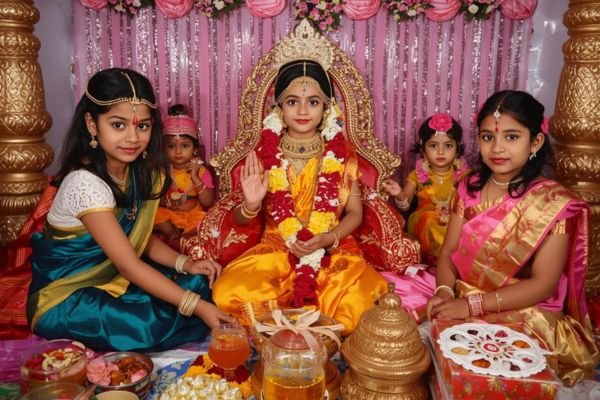
Inviting the Girls: Families invite nine young girls to their homes to represent the nine forms of the Goddess. Sometimes a young boy (called Langur) is also invited to represent Bhairava, who is considered the protector of the Goddess.
Washing Their Feet: The feet of the girls are respectfully washed as a sign of humility and devotion.
Tilak and Worship: A red tilak is applied on their foreheads, and they are worshipped with flowers, incense, and prayers.
Offering Food (Prasad): The girls are served traditional Navratri food such as puri, kala chana, and halwa, which is considered sacred prasad.
Giving Gifts: After the meal, the girls are given gifts, money, clothes, or bangles as a token of respect and blessings.
Kanya Pujan in Navratri
Kanya Pujan (also known as Kanjak Puja) is one of the most important rituals performed during Navratri. This sacred ceremony is usually conducted on the eighth day (Ashtami) or ninth day (Navami) of Navratri. On this day, young girls are worshipped as living forms of Durga and her nine divine manifestations. The ritual symbolizes respect for feminine energy and purity in Hindu culture.
Difference between Chaitra Navratri and Sharad Navratri
There are two major navratri festival celebrations in India: Chaitra Navratri and Sharad Navratri. Navratri occurs in the spring season, while Sharad Navratri takes place during autumn around September or October. Both festivals celebrate the power of Durga, but Sharad Navratri is more widely celebrated with grand public events. However, navratri remains deeply significant for devotees who follow traditional rituals and fasting practices.
Frequently Asked Questions
When is Chaitra Navratri 2026?
Chaitra Navratri 2026 begins on March 19, 2026, according to the Hindu lunar calendar.
What is the significance of Navratri?
The significance of Navratri lies in worshipping Goddess Durga, spiritual purification, and celebrating new beginnings.
How many days is Navratri celebrated?
Navratri is celebrated for nine days, with each navaratri day dedicated to a different form of the Goddess.
Why do people check the Gujarati calendar during Navratri?
Many devotees follow auspicious timings based on the gujarati calendar, gujarati choghadiya, and today gujarati tithi to perform rituals during Navratri.
When is Kanya Pujan Performed?
Kanya Pujan is usually performed on:
Durga Ashtami (8th day of Navratri)
Maha Navami (9th day of Navratri)