
Gangaur Festival
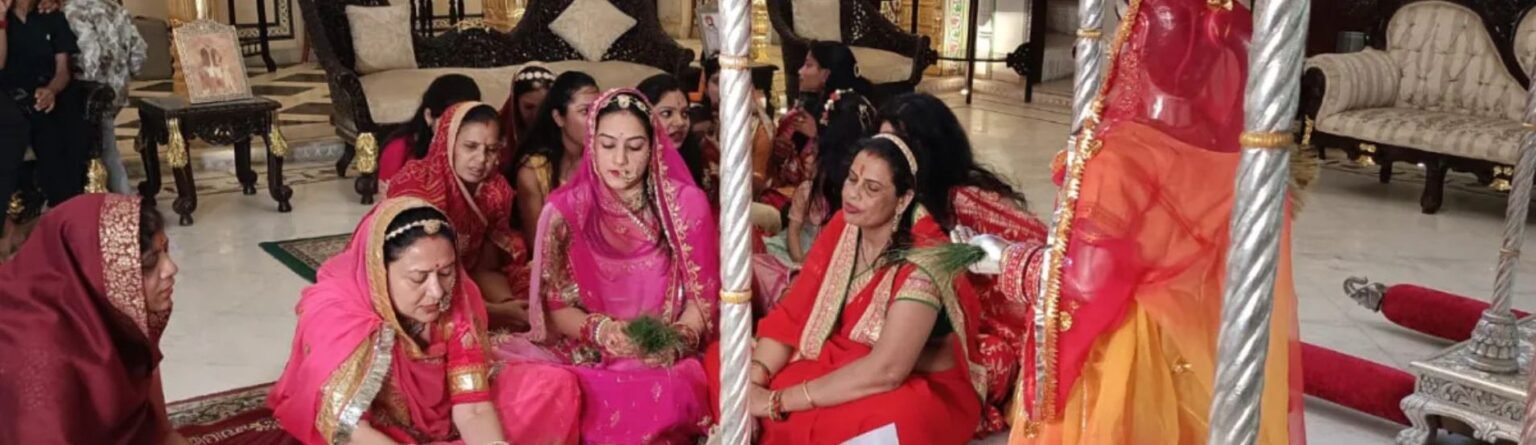
The Gangaur Festival is one of the most vibrant and culturally significant celebrations in India, especially in the state of Rajasthan. The festival is dedicated to Goddess Parvati, who symbolizes marital harmony, prosperity, and devotion. Celebrated with immense enthusiasm, the Gangaur is observed mainly by women who worship the goddess for a happy married life and family well-being. Often referred to as the Gangaur Festival of Rajasthan, this celebration begins soon after Holi and continues for several days with prayers, fasting, and cultural rituals.
Gangaur 2026 Date and Time
The Gangaur Festival in 2026 will be celebrated on 21 March 2026 according to the Hindu calendar. This day falls on the Tritiya Tithi of the Shukla Paksha in the month of Chaitra.
Auspicious Timings (Tritiya Tithi)
The Tritiya Tithi timings for March 21, 2026, are as follows:
Begins: 02:30 AM
Ends: 11:56 PM
Recommended Puja Muhurats
While the Tithi lasts all day, certain windows are considered more auspicious for rituals:
Primary Puja Window: 07:55 AM to 09:26 AM
Afternoon (Labh): 02:00 PM to 03:31 PM
Late Afternoon (Amrit): 03:31 PM to 05:02 PM
Evening (Labh): 06:33 PM to 08:02 PM
Festival Overview
The Gangaur celebrations traditionally begin the day after Holi and continue for 18 days, culminating on the final Puja day.
Start Date: Rituals typically begin on Wednesday, March 4, 2026.
Significance: Married women observe the fast for the longevity and prosperity of their husbands, while unmarried girls pray for a suitable life partner.
Key Locations: The festival is celebrated with great fervor in Rajasthan (especially Jaipur and Udaipur), Haryana, Madhya Pradesh, and Uttar Pradesh.
Meaning and Significance of Gangaur Puja
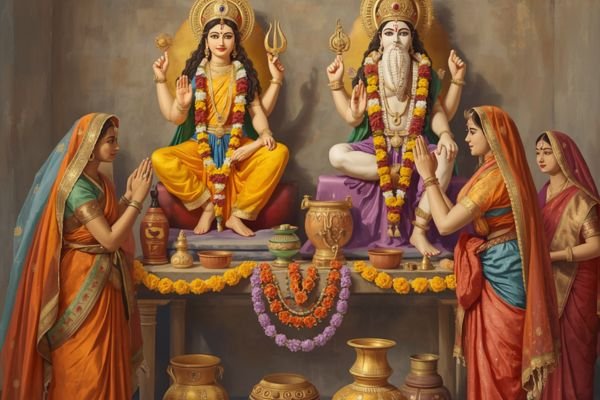
The Gangaur Festival represents devotion, love, and marital harmony. The name “Gangaur” is derived from two words: Gan, referring to Lord Shiva, and Gaur, referring to Goddess Parvati. During the Gangaur, women perform gangaur puja with great devotion and pray for happiness, prosperity, and long life for their husbands. Unmarried girls also worship the goddess to seek blessings for a good life partner. The Gangaur Festival in Rajasthan symbolizes respect for the divine feminine energy and highlights the importance of family relationships and devotion.
Another significant story associated with Holi is Lord Krishna and Radha’s playful Holi in Vrindavan and Barsana. Krishna, worried about his dark complexion, playfully applied color to Radha’s face, and this tradition has continued as the festival of colors.
History of Gangaur Puja
Historically, the Gangaur Festival has been celebrated for centuries in Rajasthan and nearby regions. Ancient traditions describe the festival as a tribute to Goddess Gauri, who represents purity, devotion, and strength. The rajasthan festival gangaur was once celebrated in royal courts as well. Kings and queens organized grand processions where idols of Shiva and Parvati were decorated and taken through the city. Over time, this royal tradition became a public celebration and evolved into the grand Gangaur seen today. The festival continues to remain one of the most beloved cultural events of Rajasthan.
Importance of Gangaur Puja
The Gangaur holds deep spiritual and cultural importance for devotees. The festival encourages devotion, faith, and family unity. Women observe fasts and perform Gangaur puja rituals while praying for marital happiness and prosperity. The festival is also believed to strengthen the spiritual bond between devotees and the divine. In many communities, newly married women celebrate their first puja with special rituals and enthusiasm. This tradition symbolizes blessings for a prosperous and harmonious married life.
The Story of Gangaur Puja
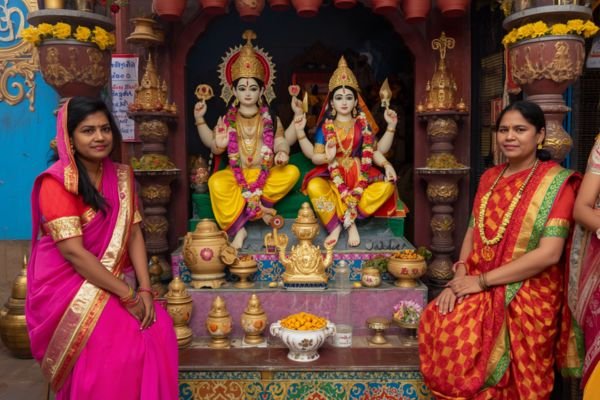
The legend behind the Gangaur Festival is associated with Goddess Parvati and Lord Shiva. According to mythology, Goddess Parvati performed intense penance to win Lord Shiva as her husband. Impressed by her devotion and determination, Lord Shiva accepted her as his consort. Their union represents eternal love, commitment, and spiritual harmony. Another legend states that during the Gangaur, Goddess Parvati visited Earth and blessed women who worshipped her with sincerity. Those who prayed with devotion received happiness and prosperity in their married lives. These legends are the reason why the Gangaur is celebrated with such faith and dedication.
Gangaur Vrat Katha
According to Hindu tradition, once Lord Shiva, Goddess Parvati, and Lord Ganesha went on a visit to earth. During their journey, they reached a village where many women came to welcome them. The poor women arrived first and offered simple gifts with great devotion. Goddess Parvati was pleased by their pure love and immediately blessed them with akhand saubhagya (eternal marital happiness). Later, the rich women arrived with expensive gifts and grand offerings. Seeing this, Lord Shiva asked Parvati why she had already given her blessings to the poor women. Parvati replied that true devotion matters more than wealth. To bless the rich women as well, Goddess Parvati performed a ritual. She made a mark of sindoor (vermilion) using the blood from her finger and blessed them with a long married life and prosperity. After this, Parvati went to the riverbank with her companions and created a sand idol of Lord Shiva. She worshipped it with devotion and offered food and prayers. When Lord Shiva appeared, he blessed her and declared that any woman who performs this Gangaur Vrat with devotion will receive happiness, prosperity, and marital bliss. Since then, women observe the Gangaur fast and worship Gauri Mata for a happy married life.
Gangaur Puja Vidhi
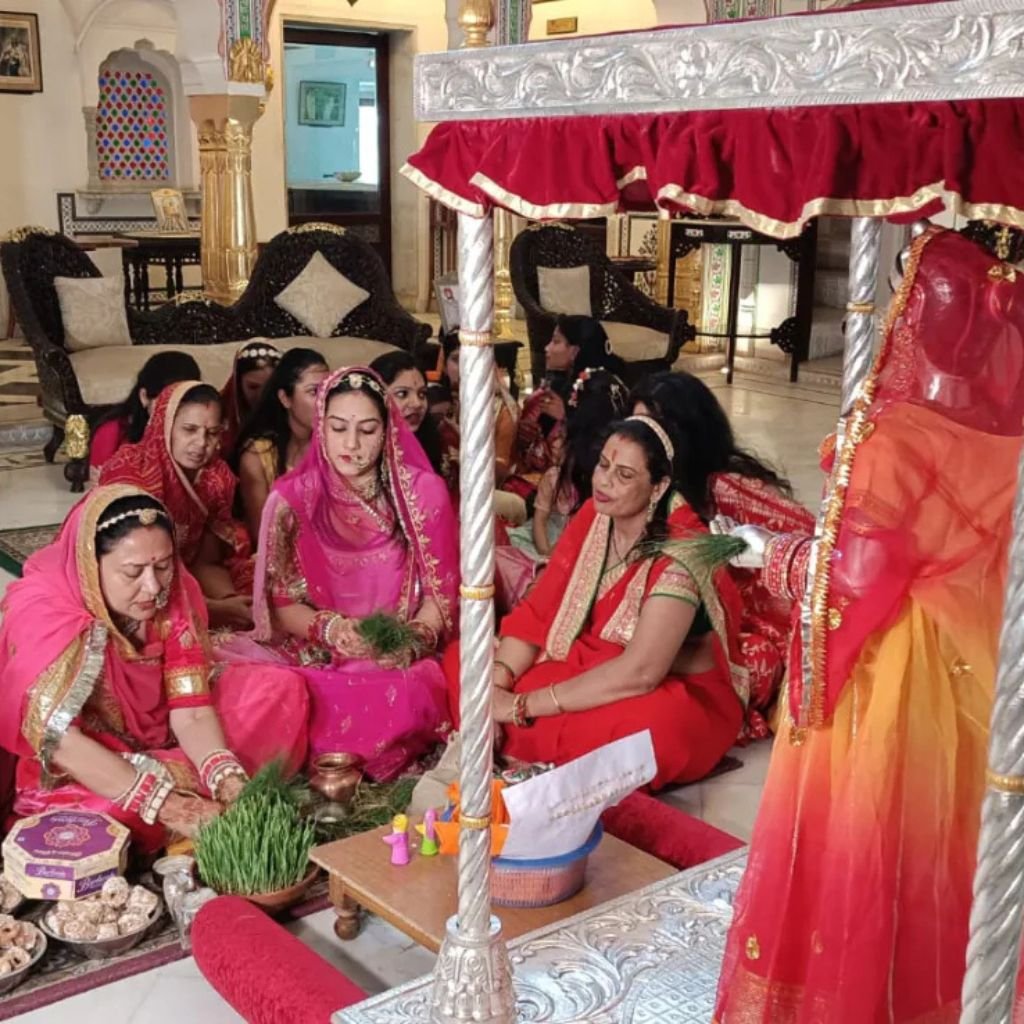
The Gangaur puja is performed with traditional rituals and devotion. First, devotees wake up early, take a bath, and clean the house and puja area. Idols or images of Goddess Gauri and Lord Shiva are placed on a decorated platform. Next, women decorate the idols with flowers, clothes, and ornaments. During Gangaur puja, devotees offer haldi, kumkum, rice, sweets, and fruits to the goddess. Women observing the fast pray for marital happiness and family prosperity. The puja concludes with aarti and distribution of prasad.
Puja Rituals of Gangaur
The rituals of the Gangaur Festival are deeply rooted in tradition and devotion. Women observe fasts, sing devotional songs, and decorate clay idols of the goddess. Special dishes and sweets are prepared as offerings during gangaur puja. One of the most important rituals of the Gangaur is the procession of the goddess idols. These idols are beautifully decorated and taken through streets accompanied by music and celebrations. These rituals reflect the cultural richness of the Gangaur Festival in Rajasthan.
Best Places to Visit in Rajasthan During Gangaur
The Gangaur Festival is celebrated across Rajasthan, but some cities host particularly grand celebrations.
Jaipur is famous for its royal Gangaur procession where beautifully decorated idols are carried through historic streets.
Udaipur also hosts spectacular celebrations near lakes where traditional performances and processions take place.
Jodhpur is another great destination where the Gangaur Festival is celebrated with cultural programs and traditional music.
Cultural Experience during Gangaur Puja
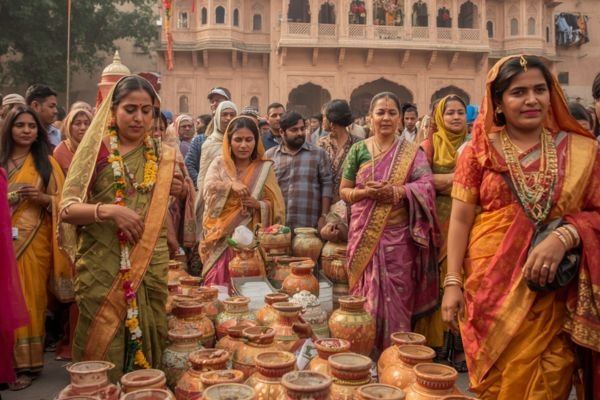
The Gangaur Festival is not only a religious event but also a vibrant cultural celebration. Women wear colorful traditional clothes, apply mehendi, and sing folk songs dedicated to Goddess Gauri. Markets and streets are decorated with lights and flowers during the Gangaur. Traditional art, music, and dance performances are organized across the state.
Frequently Asked Questions
Gangaur kab hai?
The Gangaur Festival in 2026 will be celebrated on 21 March 2026.
Gangor kab ki hai?
According to the Hindu calendar, the festival falls on the Tritiya Tithi of Chaitra Shukla Paksha.
What is the importance of Gangaur Puja?
The Gangaur Festival celebrates the devotion of Goddess Parvati and symbolizes marital harmony and prosperity.
Where is the Gangaur Festival mainly celebrated?
The Gangaur Festival in Rajasthan is the most famous celebration, especially in Jaipur, Udaipur, and Jodhpur.
What is Gangaur Teej?
Gangaur Teej refers to the concluding celebration of the Gangaur Festival, marking the final day of rituals and processions.