

Hindu Scriptures
Understand the names, traditions, central themes and spiritual importance of the 18 Mahapuranas.
Explore all 18 Puranas ↓Quick Reference
The 18 Mahapuranas at a Glance
Search by name or filter the traditional guna-based grouping commonly associated with the Puranas.
Showing all 18 Puranas
Vamana Purana
The Vamana Purana is traditionally counted among the 18 Mahapuranas. Despite its name, much of the surviving text discusses sacred geography, pilgrimage, Shiva traditions and accounts connected with the Vamana avatar of Vishnu. Its contents and arrangement vary across available recensions.
Puranas
The Puranas are one of the most treasured scriptures in Hinduism or puranas in Hinduism, holding timeless stories, moral lessons, and divine wisdom. These ancient texts are considered a vital part of Sanatana Dharma, preserving knowledge of creation, destruction, and everything in between. From mythological tales to cosmic principles, the Puranas form an unbroken link between past and present. Lets discover what are Puranas, their origin, significance, types of purana, list of puranas, and the 18 puranas names in order, and the sages who wrote them.
The word “Purana” literally translates to “ancient” or “old,” representing Indian literature that concludes myths, and traditional knowledge. The Puranas are an essential part of classical Hindu literature, offering a value into Hindu mythology, religion, and culture. They cover a wide collection of topics, including mythology, history, geography, cosmology, and philosophy.
The Puranas have been a repository of knowledge, tradition, and ideals, shaping Indian society and culture for millennia. The Puranas narrate the history of the universe, cosmic cycles, genealogies, and moral teachings. They serve as a profound guide to the principles of Dharma, encouraging spiritual growth and righteous living.
To know about puranas scroll this page and read about how many puranas in Hinduism, types of purana, all puran name and name of 18 puranas (18 पुराणों के नाम).
What Are Puranas?
The Puranas are ancient Hindu scriptures that narrate stories of Hindu deities, Sages, Kings, and Cosmic cycles. In Sanskrit, “Purana” means “ancient” or “old.” There are 18 Mahapuranas (Major Puranas) and several Upa Puranas (Minor Puranas). They serve as a bridge between Vedic teachings and everyday life, explaining dharma, devotion, and spiritual truths through relatable narratives.
Origin Of Puranas
The origin of 18 Puranas is traced back thousands of years. These texts are believed to have been compiled by Sage Vyasa, the same divine sage who composed the Mahabharata. The Puranas were designed to make complex Vedic wisdom accessible to all, including those who could not study the Vedas directly.
What Are The 18 Puranas in Hinduism?
The 18 Mahapuranas/Hindu puranas or all puranas are divided into three categories based on the deity. Lets explore Hindu Puran-
Sattva (Vishnu Puranas) – Vishnu Purana, Bhagavata Purana, Narada Purana, Garuda Purana, Padma Purana, Varaha Purana.
Rajas (Brahma Puranas) – Brahma Purana, Brahmanda Purana, Brahmavaivarta Purana, Markandeya Purana, Bhavishya Purana, Vamana Purana.
Tamas (Shiva Puranas) – Shiva Purana, Linga Purana, Skanda Purana, Agni Purana, Matsya Purana, Kurma Purana.
Types Of Puranas
Total Puranas can be classified as:
Mahapuranas – The 18 major texts.
Upa Puranas – Minor Puranas with local and regional legends.
Summary Of All 18 Puranas / 18 पुराणों के नाम (18 Puran Ke Naam)
Here are the 18 puranas names in order:
Brahma Purana – Creation and cosmology.
Padma Purana – Devotion to Vishnu and stories of creation.
Vishnu Purana – Vishnu’s avatars and cosmic order.
Shiva Purana – Glory of Lord Shiva.
Bhagavata Purana – Life of Krishna and Bhakti teachings.
Narada Purana – Rituals and devotion.
Markandeya Purana – Durga Saptashati and Devi Mahatmya.
Agni Purana – Rituals, ethics, and geography.
Bhavishya Purana – Future prophecies.
Brahmavaivarta Purana – Radha-Krishna pastimes.
Linga Purana – Symbolism of the Shiva Linga.
Varaha Purana – Vishnu’s Varaha avatar.
Skanda Purana – Kartikeya’s exploits.
Vamana Purana – Vamana avatar and dharma.
Kurma Purana – Kurma avatar and sacred places.
Matsya Purana – Matsya avatar and legends.
Garuda Purana – Afterlife and dharma.
Brahmanda Purana – Cosmic cycles and Lalita Sahasranama.
All 18 Maha Puranas Shloka Count | Purana-wise Shloka Breakdown:
Here is detailed information on the number of Shloka (Verses) contained in each major Purana (18 पुराणों के नाम श्लोक) –
Brahma Purana contains 10,000 shlokas.
Padma Purana contains 55,000 shlokas.
Vishnu Purana contains 23,000 shlokas.
Shiva Purana contains 24,000 shlokas.
Shrimad Bhagavata Purana contains 18,000 shlokas. (Esteemed as the most revered Purana, it narrates the story of Vishnu’s ten avatars.)
Narada Purana contains 22,000 shlokas.
Markandeya Purana contains 9,000 shlokas. (Includes the Devi Mahatmyam, an essential text for Shaktas.)
Agni Purana contains 15,000 shlokas.
Bhavishya Purana contains 14,500 shlokas.
Brahma Vaivarta Purana contains 18,000 shlokas.
Linga Purana contains 11,000 shlokas.
Varaha Purana contains 24,000 shlokas.
Skanda Purana contains 81,100 shlokas.
Vayu Purana contains 11,000 shlokas.
Kurma Purana contains 17,000 shlokas.
Matsya Purana contains 14,000 shlokas.
Garuda Purana contains 19,000 shlokas.
Brahmanda Purana contains 12,000 shlokas.



The First Six Puranas: Foundation of Creation
The first six Puranas lay the foundation for understanding the creation of the universe, the cosmic order, and the principles of life. They explore the divine manifestations, the roles of lords, and the existence is interconnected, providing all the spiritual and cultural insights.
Brahma Purana
Named after Lord Brahma, the creator, Brahma Puran is the origins of the cosmos and it is the process of creation. It also highlights sacred geography, focusing on all the temples and the spiritual sites, emphasizing the significance of pilgrimage in spiritual practice.
Padma Purana
Padma Purana is a detailed exposition of the creation and destruction cycles, emphasizing the glory of Lord Vishnu and the power of devotion (Bhakti). It also explains the virtues of holy living and the significance of sacred rivers like the Ganga.
Vishnu Purana
Dedicated to Lord Vishnu, Vishnu puran focuses on maintaining cosmic order and righteousness or could say Dharma. It covers all the Vishnu avatars, particularly the stories of Krishna, and emphasizes the importance of ethical living and devotion.
Vayu Purana
Centered on the wind god, Vayu Purana explores cosmic elements and its role in our life. It also describes the genealogy of gods, sages, and kings, a kind of bridge between mythology and history.
Bhagavata Purana
Renowned for its poetic beauty, the Bhagavata Purana admires all the plays (Lilas) of Lord Krishna. Bhakti is priority (devotion) as the highest path to salvation and is considered a spiritual guide for seekers.
Narada Purana
Named after the divine sage, Purana emphasizes the significance of devotion and music in spiritual awakening. It also provides instructions for rituals, temple worship, and the duties of individuals in various stages of life.
The Next Four Puranas: Different Perspectives of Creation
The next four Puranas present varied opinions on creation, exploring cosmic phenomena, divine attributes, and all the rituals. Each offers unique insights into the interplay between spiritual principles and the material world, enhancing the understanding of existence and devotion.
Markandeya Purana
Named after the sage Markandeya, Markandeya Purana offers a blend of mythology, history, and philosophy. It is particularly known for the Devi Mahatmya, which glorifies the goddess Durga and her role in cosmic balance, encouraging the power of divine female energy in creation and protection.
Agni Purana
Dedicated to Agni, the fire god, Agni Purana delves into the role of fire in pujas, rituals and creation. It serves as a manual for performing sacred ceremonies, astrology, and temple construction, and serves spiritual teachings with daily life practical knowledge.
Bhavishya Purana (Surya Purana)
This Purana venerates Surya or Bhavishya, the sun god, as the survival of life. It describes solar worship, the solar dynasty, and the significance of sunlight in keeping creation. The Surya Purana centers on the sun god’s influence on creation and life, while the Brahmavaivarta Purana explores creation as a transformation or “vivarta” of Brahma.
Brahmavaivarta Purana
This Purana focuses on the cosmic interplay between Brahma (the creator), Krishna, and Radha, portraying creation as a divine play. It features devotion to Lord Krishna and Radha, exploring themes of love, spirituality, and the unity of the soul with the divine.
The Next Puranas on Vishnu’s Avatars
Vishnu Avatar, these puranas focus on the various avatars of Lord Vishnu, emphasizing his role in the cosmos as a preserver and protector. These texts provide deep insights into divine interventions, cosmic balance, and the creation and specially importance of dharma.
Linga Purana
Though primarily dedicated to Lord Shiva and the symbol of the Lingam, LInga Purana also acknowledges Vishnu’s role in cosmic creation and sustenance. It emphasizes the unity of Shiva and Vishnu in the grand scheme of existence, highlighting that destruction and preservation are interdependent.
Varaha Purana
This Purana recounts the story of Vishnu’s Varaha avatar, where he takes the form of a boar to save the Earth from the speed of the cosmic ocean. It features courage, protection, and balancing the creation of victory of good over evil.
Vamana Purana
Dedicated to Vishnu’s Vamana avatar, Vamana Purana tells the story of how the Lord, in the form of a diminutive, restores cosmic order by humbling the demon king Bali. It focuses on humility, devotion, and the protection of dharma.
Skanda Purana
Although primarily focused on Skanda (Kartikeya), Skanda Purana also includes stories of Vishnu’s avatars and their contributions to balancing cosmos. It celebrates the divine interplay of preservation, destruction, and creation in sustaining the universe.
Kurma Purana
Kurma Purana is all about Vishnu’s Kurma avatar, where he takes an avatar of a tortoise during the churning of the ocean (Samudra Manthan). It elaborates on the divine act of supporting the cosmos, representing patience and balance in achieving great outcomes.
Matsya Purana
Narrating the story of Vishnu’s Matsya avatar, Matsya Purana describes how he saves the pure scriptures and life forms during a great deluge. It features the importance of knowledge preservation and divine intervention in protecting creation.
The Final Two Puranas: Completion of Cosmic Stories
The last two Puranas bring the cosmic tells to its culmination, tying these themes together – creation, preservation, destruction, and the ultimate truth. These texts provide philosophical insights, moral guidance, and a holistic view of the whole universe cycle.
Garuda Purana
Garuda Purana is named after Garuda, the divine mount of Lord Vishnu. It delves into topics such as dharma, karma, and afterlife as well, offering all the insights of the journey of the soul. It also discusses rituals, ethics, and all the consequences taken by actions, serving as a guide for living in righteousness.
Brahmanda Purana
The Brahmanda Purana describes the creation, structure, and dissolution of the universe, providing a comprehensive view of the universe. It also includes Vishnu’s avatars, the genealogy of gods, and spiritual teachings that underscore the unity of all existence.
SUMMARY OF 18 MAHA PURANAS: Brief about The 18 Mahapuranas
Brahma Purana
The Brahma Purana is a comprehensive text that primarily glorifies Lord Brahma, the creator of the universe. Consisting of about 10,000 verses, it provides an extensive account of cosmology, mythology, and sacred geography. The text narrates the creation process, the genealogy of gods, and the stories of various kings and sages. Significant emphasis is placed on the holy sites of India, particularly the sanctity of the Puri Jagannath Temple. The Purana also discusses rituals, ethics, and duties associated with different stages of life. Through its narratives, the Brahma Purana offers moral and spiritual lessons, guiding devotees on the path of dharma and devotion. Its holistic approach makes it a vital text for understanding ancient Hindu beliefs and practices.
Padma Purana
The Padma Purana, one of the largest Mahapuranas, contains over 55,000 verses. It is divided into five sections: Srishti Khanda, Bhumi Khanda, Svarga Khanda, Patala Khanda, and Uttara Khanda. The text emphasizes devotion (bhakti) towards Lord Vishnu and discusses various avatars, particularly Rama and Krishna. It also covers cosmology, genealogy, and legends of sages and kings. Notably, it includes detailed descriptions of holy sites (tirthas), such as those in Prayagraj, Varanasi, and Puri, making it an important guide for pilgrimage. The Padma Purana’s Uttara Khanda is well-known for its discussions on dharma, the glory of the Bhagavad Gita, and rituals. Its teachings promote righteousness, devotion, and ethical living, making it a valuable spiritual and cultural resource.
Vishnu Purana
The Vishnu Purana is one of the most significant texts among the 18 Mahāpurāṇas. It primarily glorifies Lord Vishnu as the preserver of the universe. Comprising six books, it covers cosmology, mythology, legends of kings, and genealogies of gods and heroes. The text details the creation, preservation, and destruction of the universe, emphasizing the concept of the Trimurti—Brahma, Vishnu, and Shiva. It narrates the ten avatars (Dashavatara) of Vishnu, focusing extensively on the Krishna avatar. Additionally, it provides philosophical teachings on dharma (righteousness) and bhakti (devotion). The Vishnu Purana is known for its clear, structured presentation and remains a crucial source of Hindu cosmology, mythology, and theology, blending moral instructions with captivating legends.
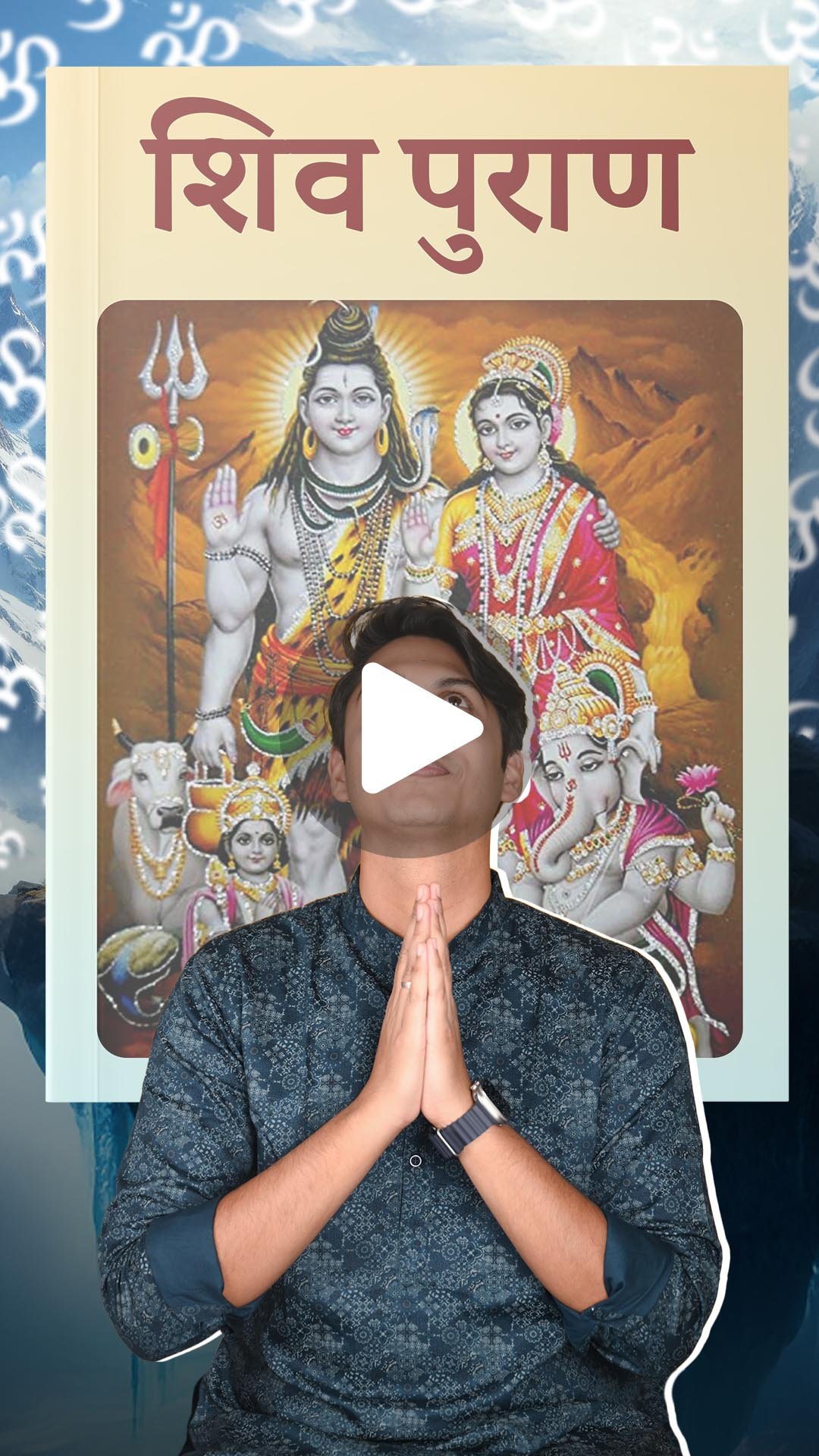
Shiv Purana
The Shiva Purana, dedicated to Lord Shiva, consists of around 24,000 verses. It is divided into several sections, including the Vidyeshwara Samhita, Rudra Samhita, and Shatarudra Samhita. The text glorifies Lord Shiva as the supreme deity and narrates his various manifestations and exploits. It includes stories of creation, the marriage of Shiva and Parvati, and the birth of their children, Ganesha and Kartikeya. The Purana also discusses rituals, sacred sites associated with Shiva, and the significance of the Shiva Linga. Its teachings emphasize the importance of devotion (bhakti), asceticism, and the pursuit of spiritual knowledge. The Shiva Purana remains a key scripture for Shaivites, offering profound insights into the nature of divinity and the path to liberation.
Bhagavata Purana
The Bhagavata Purana, also known as the Srimad Bhagavatam, is one of the most revered texts in Hinduism, emphasizing bhakti (devotion) towards Lord Vishnu, particularly in his Krishna avatar. Comprising 12 books (cantos) and 18,000 verses, it details the creation of the universe, the avatars of Vishnu, and the stories of saints and devotees. The tenth canto, devoted to the life of Lord Krishna, is its most celebrated section, narrating his childhood exploits, divine plays (leelas), and teachings. This Purana promotes the path of devotion as the highest spiritual goal and integrates profound philosophical concepts with poetic narratives. It also offers moral lessons and insights into dharma, making it a timeless spiritual guide for seekers. The Bhagavata Purana’s profound influence extends into art, music, and dance, enriching India’s cultural heritage.

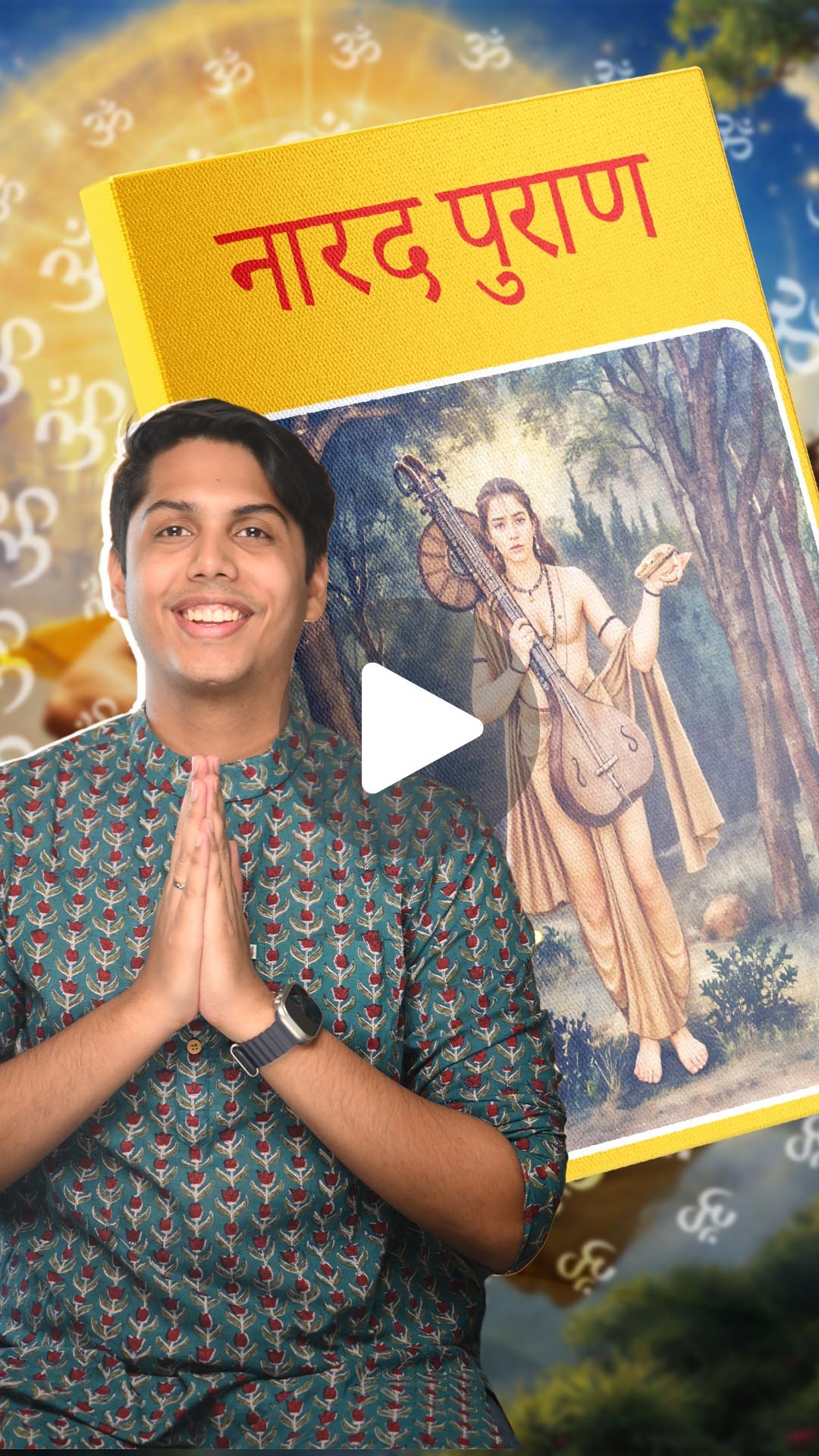
Narad Purana
The Narada Purana, attributed to the sage Narada, consists of around 25,000 verses. It is primarily a devotional text that glorifies Lord Vishnu and emphasizes the importance of bhakti (devotion). The Purana covers cosmology, mythology, and the duties of different social classes. It also includes sections on rituals, festivals, and the construction of temples. A significant portion is devoted to ethical teachings and the importance of leading a righteous life. The Narada Purana encourages devotion to Vishnu as the supreme path to salvation and provides practical advice for both householders and ascetics. Its blend of mythology, philosophy, and moral instruction makes it a valuable guide for spiritual seekers.
Markandeya Purana
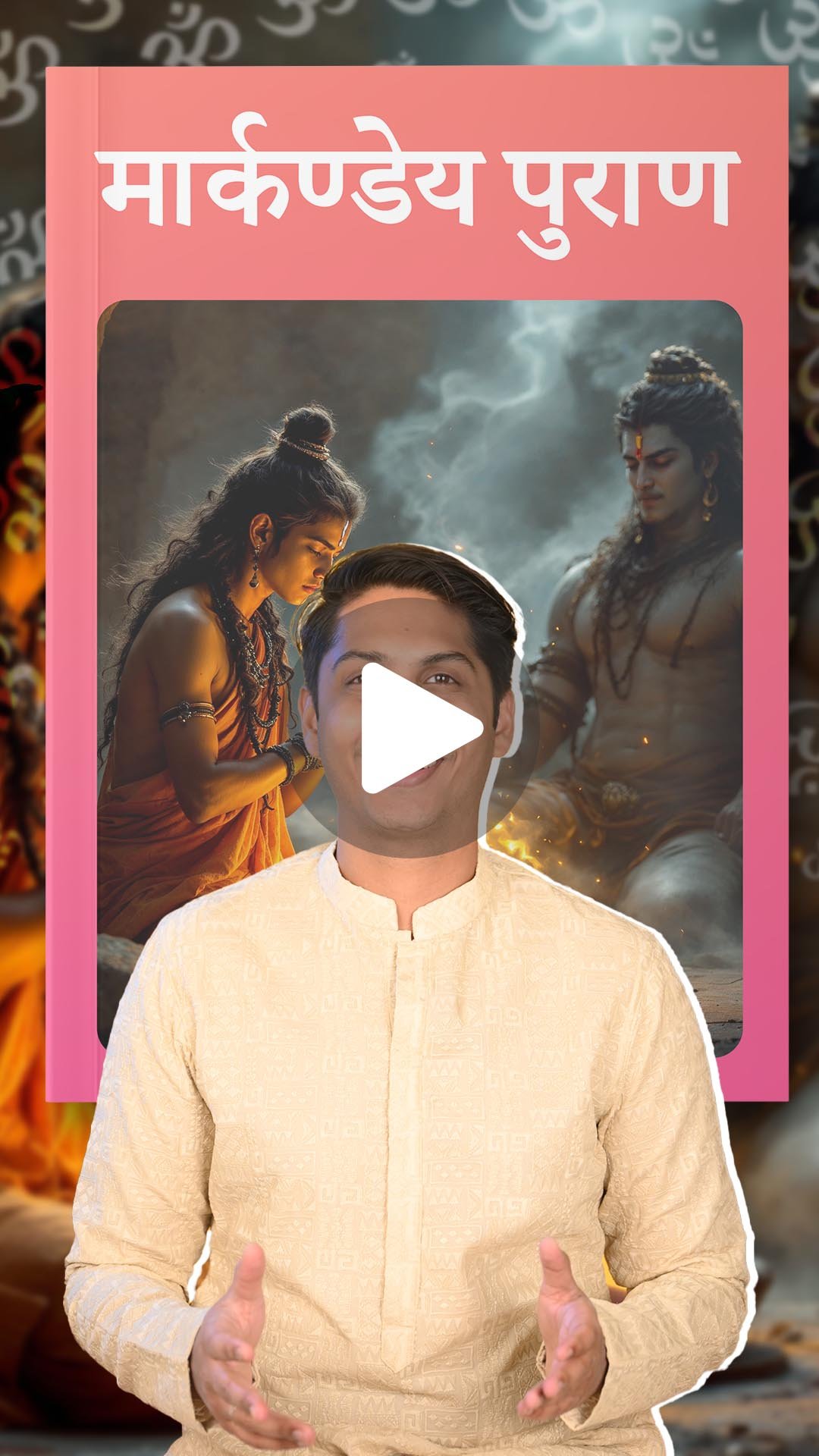
The Markandeya Purana, comprising around 9,000 verses, is named after the sage Markandeya and is known for its narrative depth and spiritual insights. The text is divided into 137 chapters, covering cosmology, mythology, and religious teachings. It contains the famous Devi Mahatmya (Glory of the Goddess), a key text in Shaktism that glorifies the goddess Durga. The Purana describes the creation of the universe, the cycles of time (yugas), and the genealogies of gods and sages. It emphasizes devotion, dharma, and the importance of performing one’s duties. Through stories of divine manifestations and moral teachings, the Markandeya Purana offers profound guidance on spiritual growth and righteous living.
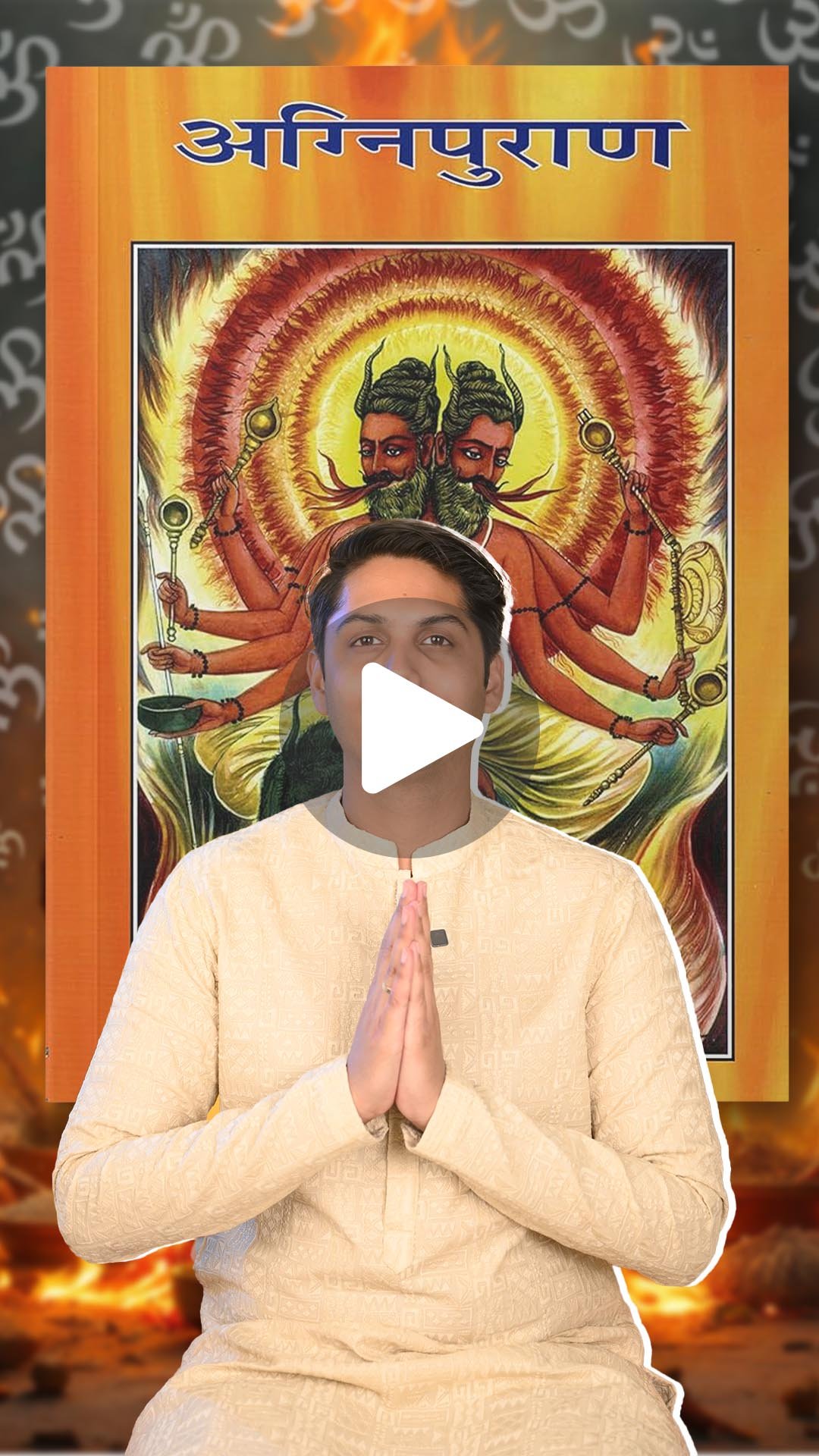
Agni Puran
The Agni Purana, named after the fire god Agni, is an encyclopedic text covering a vast array of subjects. It includes over 15,000 verses across 383 chapters. The text details rituals, cosmology, theology, and iconography associated with various deities. Additionally, it explores topics like astrology, grammar, medicine (Ayurveda), and weaponry. It emphasizes the worship of Vishnu, but also offers insights into Shaivism and Shaktism. A significant section describes temple architecture and icon-making, reflecting the text’s practical value in religious practices. Through its diverse content, the Agni Purana serves as a guide for both spiritual growth and daily life, illustrating the interconnectedness of the sacred and the secular in Hindu thought.
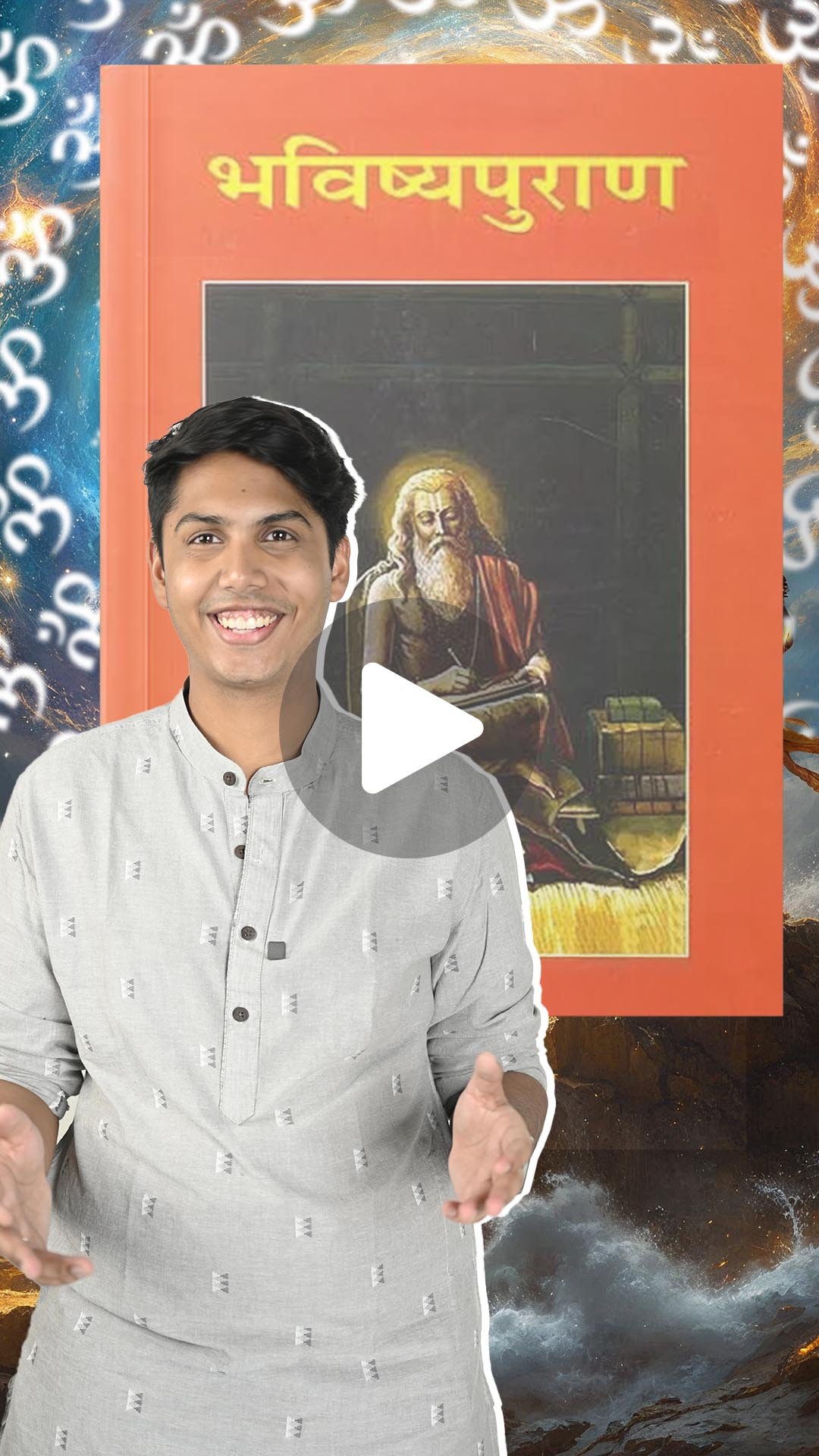
Bhavishya Purana
The Bhavishya Purana, meaning “Future Purana,” contains about 14,500 verses and is unique for its focus on future events and prophecies. Divided into four parts—Brahma Parva, Madhyama Parva, Pratisarga Parva, and Uttara Parva—it covers a wide range of subjects, including mythology, rituals, ethics, and future predictions. The text offers insights into historical and dynastic events, often considered prophetic in nature. It also describes various religious practices, ceremonies, and festivals. The Bhavishya Purana emphasizes devotion to Lord Vishnu, Shiva, and various other deities, promoting dharma (righteousness) and ethical conduct. Its blend of mythology and futuristic content provides a unique perspective on the cyclical nature of time and the importance of maintaining spiritual discipline.
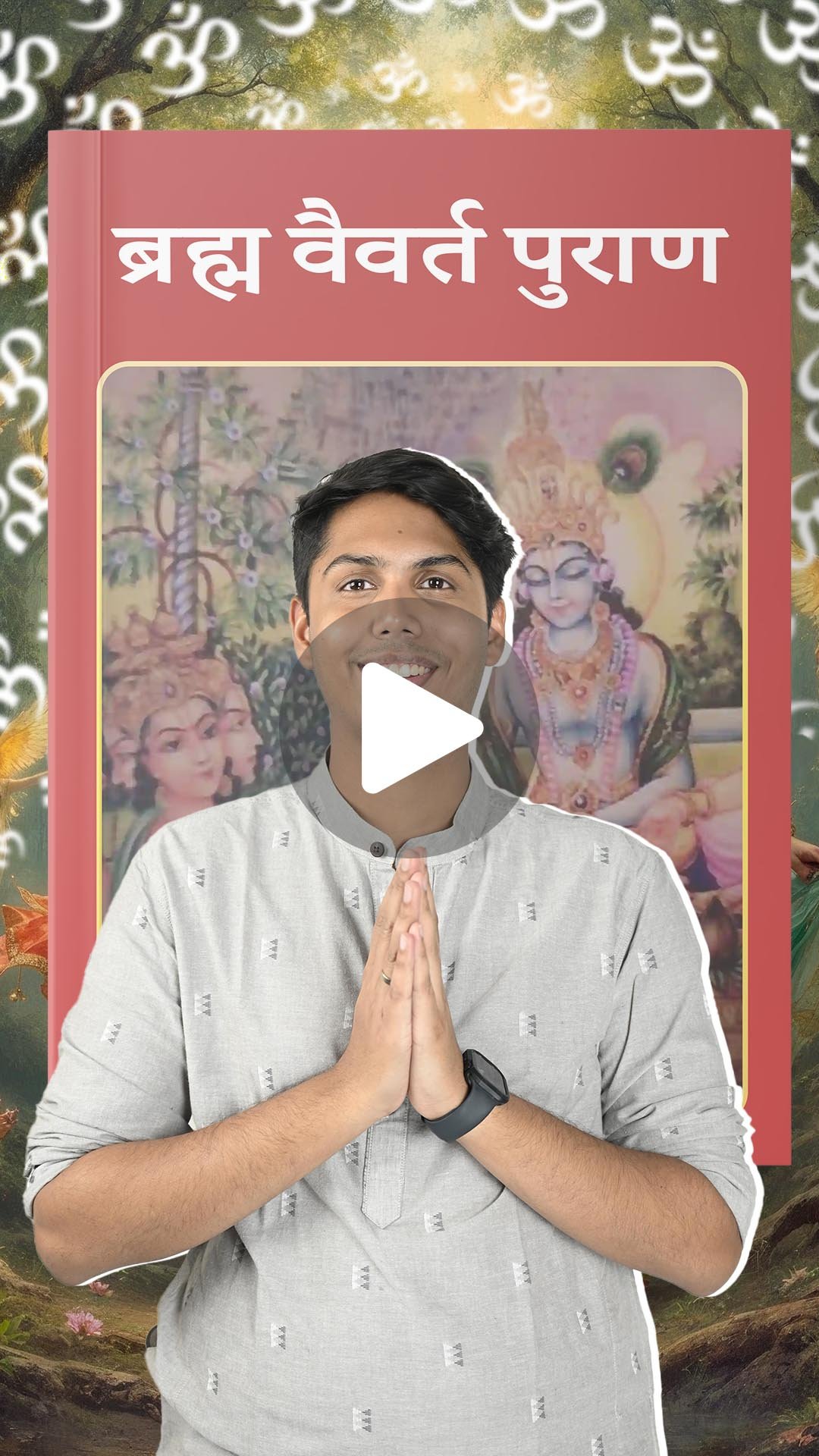
Brahma Vaivarta Purana
The Brahmavaivarta Purana consists of around 18,000 verses and is primarily focused on Lord Krishna and Radha. It is divided into four parts: Brahma Khanda, Prakriti Khanda, Ganesha Khanda, and Krishna Janma Khanda. The text glorifies Radha as the supreme goddess and Krishna as the supreme deity. It narrates the creation of the universe and the divine play (leela) of Radha and Krishna, emphasizing the concept of divine love. The Purana also discusses rituals, cosmology, and ethical living. It promotes bhakti (devotion) as the highest path to spiritual realization, with an emphasis on the loving relationship between the devotee and the divine. The Brahmavaivarta Purana’s poetic and devotional content makes it a cherished text for followers of Vaishnavism.
Linga Puran
The Agni Purana, named after the fire god Agni, is an encyclopedic text covering a vast array of subjects. It includes over 15,000 verses across 383 chapters. The text details rituals, cosmology, theology, and iconography associated with various deities. Additionally, it explores topics like astrology, grammar, medicine (Ayurveda), and weaponry. It emphasizes the worship of Vishnu, but also offers insights into Shaivism and Shaktism. A significant section describes temple architecture and icon-making, reflecting the text’s practical value in religious practices. Through its diverse content, the Agni Purana serves as a guide for both spiritual growth and daily life, illustrating the interconnectedness of the sacred and the secular in Hindu thought.


Varaha Purana
The Varaha Purana, named after the Varaha (boar) avatar of Lord Vishnu, contains about 24,000 verses. It narrates the story of Vishnu’s incarnation as Varaha, who rescues the Earth (Bhudevi) from the demon Hiranyaksha. The text covers cosmology, legends of gods and sages, and the importance of various holy sites. It also includes sections on rituals, ethics, and the duties of different social classes. A significant portion is devoted to the worship of Vishnu and Shiva, highlighting the unity of different sects. The Varaha Purana emphasizes the importance of devotion and righteous living, providing a comprehensive guide to both spiritual and practical aspects of life. Its rich narratives and moral teachings make it a valuable resource for devotees.
Skanda Purana
The Skanda Purana, the largest of the Mahapuranas, contains over 81,000 verses. It is named after Skanda (Kartikeya), the son of Lord Shiva and Parvati. The text is divided into several sections, each focusing on different regions and holy sites, making it an essential guide for pilgrims. It narrates the legends of Skanda’s birth and his victory over the demon Tarakasura. The Purana also glorifies various deities, particularly Shiva and Vishnu, and provides detailed descriptions of rituals, festivals, and sacred geography. Its teachings emphasize devotion, ethical conduct, and the significance of pilgrimage (tirtha-yatra). The Skanda Purana serves as a spiritual and cultural encyclopedia, blending mythology with practical guidance for religious life.


Vayu Puran
The Vayu Purana, among the oldest of the Mahāpurāṇas, is dedicated to Vayu, the wind god. With around 24,000 verses, it covers a wide spectrum of topics, including cosmology, genealogy, legends, and geography. It describes the creation, dissolution, and recreation of the universe, focusing on the cyclic nature of time and cosmic order. The text also contains sections on temple construction and rites, offering insights into ancient religious practices. Notably, it discusses various dynasties and historical events, contributing to the understanding of early Indian history and culture. The Vayu Purana stands out for its blend of mythology and practical knowledge, emphasizing the importance of living in harmony with natural forces and the divine.
Kurma Puran
The Kurma Purana is named after the Kurma (tortoise) avatar of Lord Vishnu and consists of around 17,000 verses. It primarily focuses on cosmology, theology, and the various incarnations of Vishnu. The text is divided into two parts and discusses the creation of the universe, genealogies of gods and sages, and the significance of rituals and festivals. It includes teachings on dharma, ethics, and the importance of devotion. A notable section details the conversation between Lord Vishnu (as Kurma) and the sage Narada, offering insights into spiritual practices and liberation (moksha). The Kurma Purana serves as a guide for both householders and ascetics, emphasizing the balance between worldly duties and spiritual pursuits.

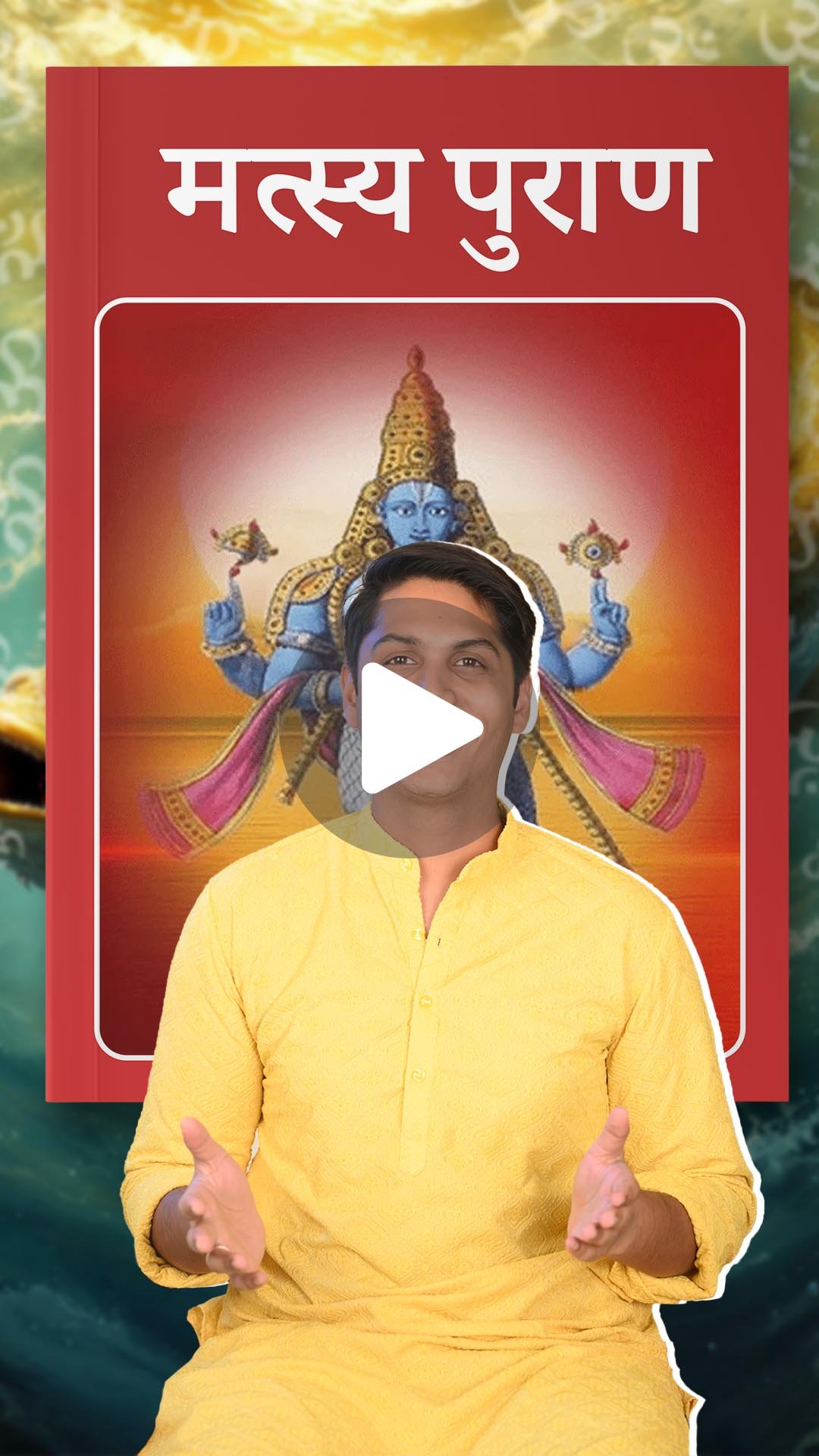
Matsya Puran
The Matsya Purana, named after the Matsya (fish) avatar of Lord Vishnu, contains around 14,000 verses. It narrates the story of Vishnu’s incarnation as a fish to save the Vedas and humanity from a great deluge. The text provides detailed accounts of creation, the genealogy of gods, and the legends of kings. It also covers topics such as temple construction, iconography, and rituals. Additionally, it includes sections on dharma, ethics, and the duties of different social classes. The Matsya Purana is a blend of mythology and practical knowledge, serving as a guide for both spiritual and worldly matters. Its emphasis on the cyclical nature of time and the preservation of dharma makes it a crucial text in the Hindu tradition.
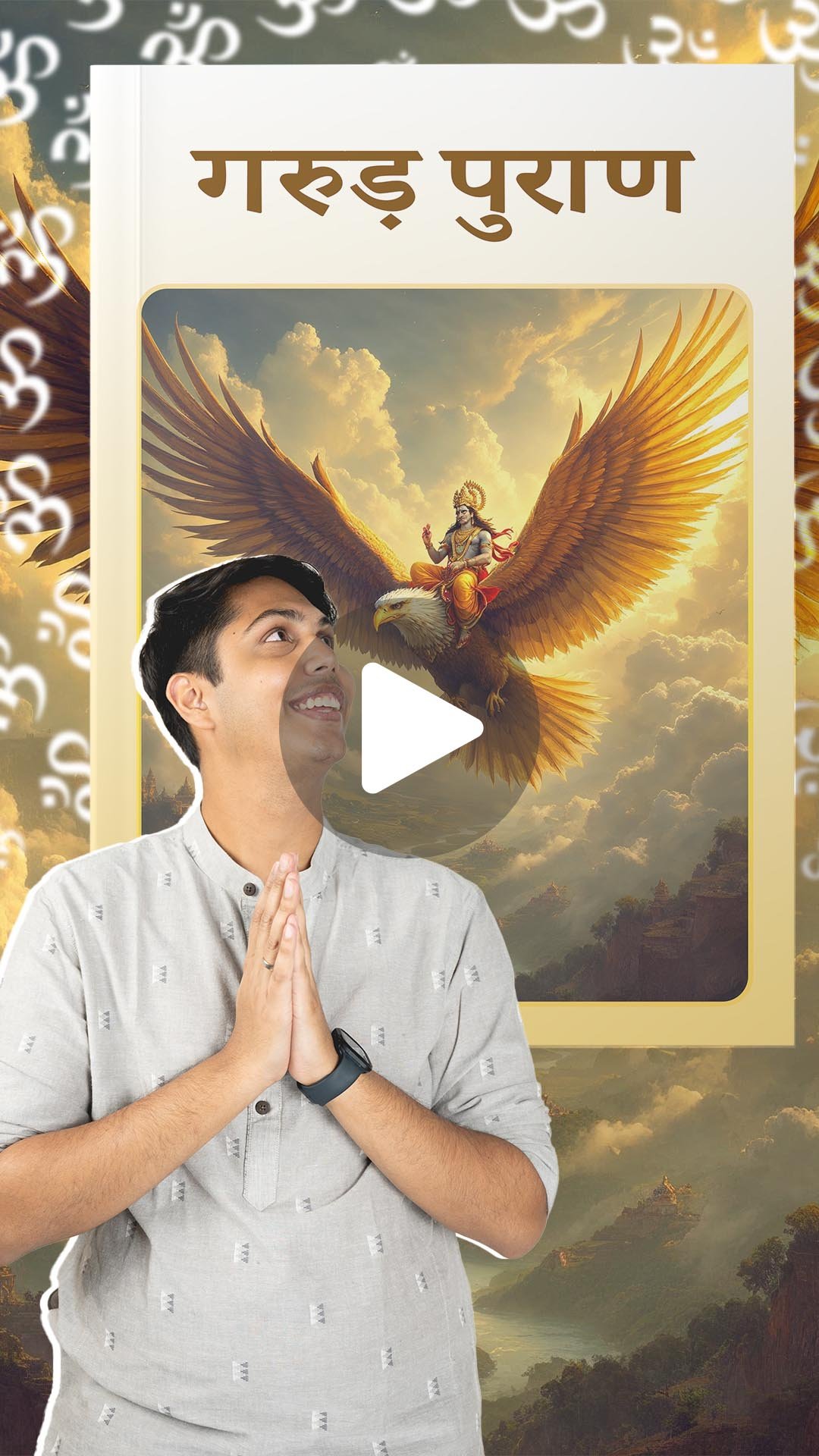
Garud Purana
The Garuda Purana, named after Garuda, the vehicle of Lord Vishnu, contains around 19,000 verses. It is known for its detailed descriptions of the afterlife, karma, and the journey of the soul after death. The text is divided into two sections: the first focuses on cosmology, mythology, and rituals, while the second deals with the afterlife and funeral rites. The Garuda Purana provides vivid accounts of heaven, hell, and the process of rebirth, emphasizing the consequences of one’s actions. It also offers guidance on ethical living, charity, and devotion to Vishnu. The Purana’s teachings serve as a reminder of the importance of living a righteous life and the inevitability of karma.
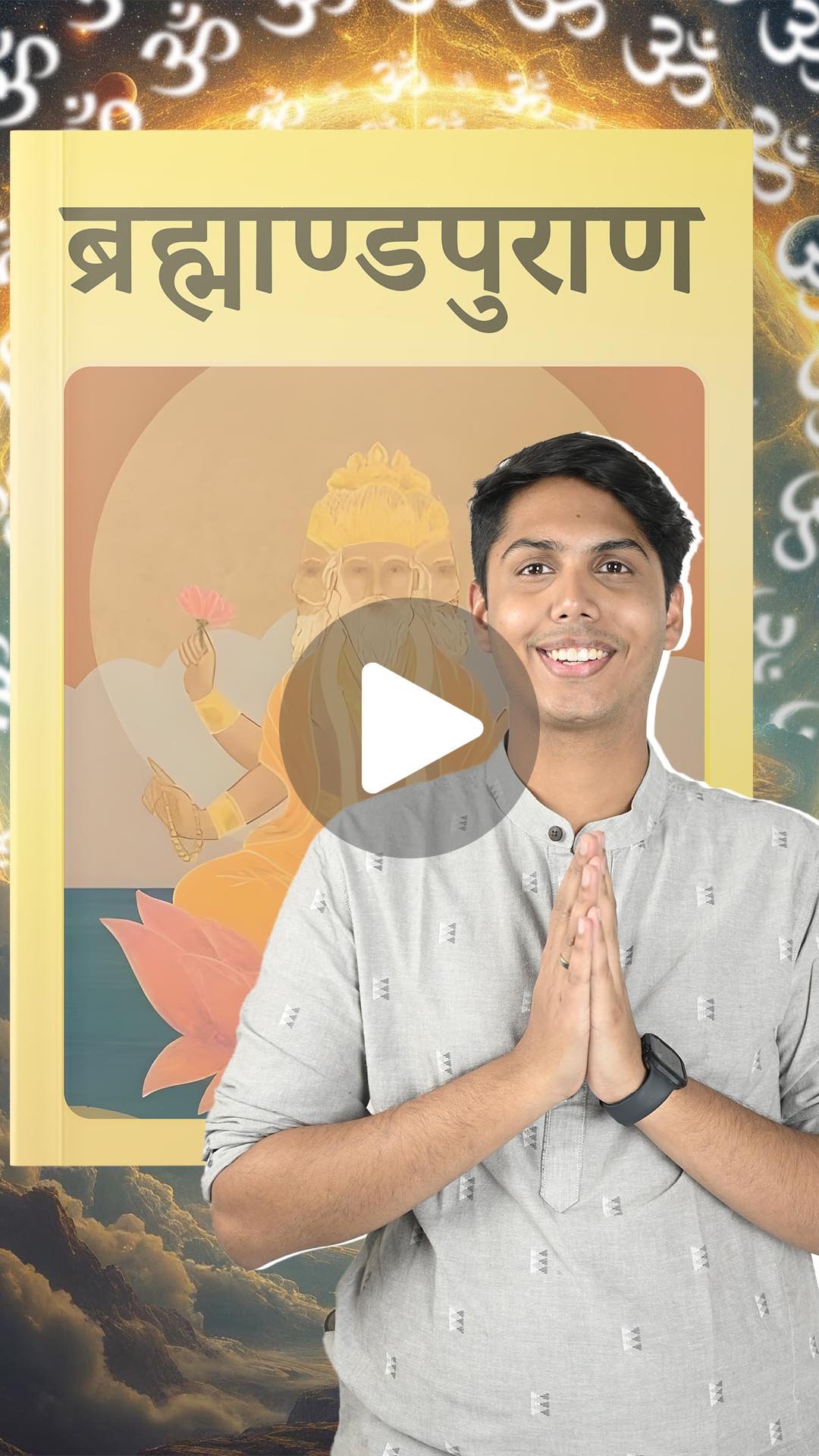
Brahmanda Purana
The Brahmanda Purana, consisting of around 12,000 verses, focuses on the cosmology and genealogy of the universe, describing its cyclical creation and destruction. It is named after the “Brahmanda” or “cosmic egg,” symbolizing the universe’s origin. The text is divided into three sections and covers a wide range of topics, including geography, astronomy, and mythology. It provides detailed accounts of various dynasties, holy places, and rituals. Notably, it contains the Lalita Sahasranama, a hymn listing the thousand names of Goddess Lalita. The Brahmanda Purana emphasizes the importance of dharma (righteousness), devotion, and knowledge. Its comprehensive treatment of cosmological concepts and spiritual teachings makes it a significant text in the Hindu tradition.
Puranas - Frequently Asked Questions
What are the 18 Puranas in order?
The 18 Mahapuranas in Hinduism are:
- Brahma Purana
- Padma Purana
- Vishnu Purana
- Shiva Purana
- Bhagavata Purana
- Narada Purana
- Markandeya Purana
- Agni Purana
- Bhavishya Purana
- Brahmavaivarta Purana
- Linga Purana
- Varaha Purana
- Skanda Purana
- Vamana Purana
- Kurma Purana
- Matsya Purana
- Garuda Purana
- Brahmanda Purana
What are the 5 parts of Puranas?
Each Purana typically covers these five key topics (Pancha Lakshana):
- Sarga – Creation of the universe
- Pratisarga – Secondary creation after dissolution
- Vamsa – Genealogies of gods and sages
- Manvantara – Description of different eras (Manvantaras)
- Vamsanucharita – Accounts of royal dynasties
Which Purana is powerful?
The Bhagavata Purana is often regarded as the most spiritually powerful, especially for its devotion to Lord Vishnu and Krishna. It’s highly revered in Vaishnavism and focuses on Bhakti Yoga (devotional path).
Which is the smallest Purana?
The Markandeya Purana is considered one of the more concise Puranas. However, depending on interpretation and counting only the Mahapuranas, Vamana Purana is often considered among the smallest in terms of length.
Who is the strongest Lord in Hinduism?
Hinduism does not assign a single “strongest” deity, as power is seen in many forms. However, Lord Shiva is often revered as the supreme destroyer and transformer, Vishnu as the preserver, and Durga/Shakti as the embodiment of divine energy. The answer depends on one’s sect (Shaivism, Vaishnavism, or Shaktism).
Who is the father of Shiva?
According to most Shaivite traditions, Lord Shiva is self-born (Swayambhu) and has no father. In some interpretations of Puranic texts, he is seen as beyond birth and death, representing the eternal cosmic force.
Who is the intelligent god?
Lord Ganesha is widely worshipped as the god of wisdom, intellect, and learning. He is known as “Buddhi Pradaayaka” – the giver of intelligence.
Which is the oldest religion in the world?
Hinduism is considered the oldest living religion in the world. Also known as Sanatana Dharma, it has roots that go back over 4,000 years, with no single founder, evolving through diverse traditions and philosophies.