
Basant Panchami 2026: Date, Saraswati Puja & Significance
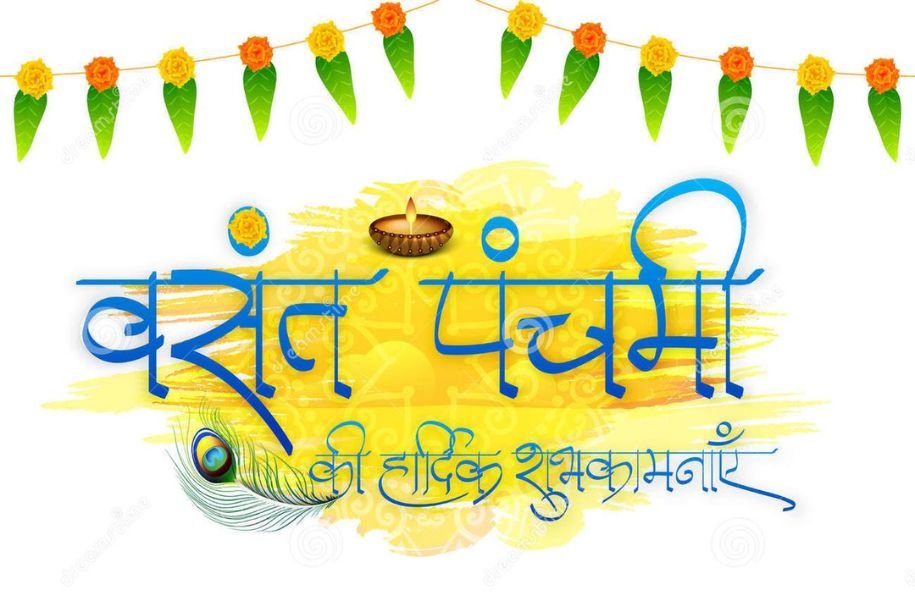
Basant Panchami 2026 — also called Vasant Panchami or Saraswati Puja — is a vibrant Hindu festival that marks the arrival of spring (Vasant Ritu) and celebrates Goddess Saraswati, the embodiment of knowledge, wisdom, music, and creative arts.
This day is celebrated with devotion across India, Nepal, Bangladesh and by Hindu communities worldwide. People worship the goddess, wear yellow, enjoy kite flying, and encourage learning especially among children.
Basant Panchami 2026 Date and Time
Date: This year it falls on 23 January 2026, Friday according to the Hindu lunar calendar.
Tithi (Panchami): Begins early on 23 January and ends on 24 January.
Saraswati Puja Muhurat (approx): Morning–Noon hours — traditionally ideal for performing puja and rituals.
People often ask basant panchami kab hai? now you know it’s in January 2026 with an auspicious window in the morning for prayers and celebrations.
Basant Panchami Importance
Basant Panchami signals the end of winter and the beginning of the spring season, symbolising rebirth, renewal and growth. Nature begins to bloom, mustard fields shine golden, and the energy of life becomes more vibrant — an apt metaphor for the rising of knowledge over ignorance.
Why do we celebrate Basant Panchami?
At its heart, Basant Panchami celebrates nature’s renewal and Goddess Saraswati’s grace:
Goddess of Knowledge: Saraswati is worshipped for academic excellence, eloquence, creativity, and enlightenment.
Yellow Symbolism: Yellow is widely seen in marigolds, mustard fields, sweets, and clothes — as it represents prosperity, energy, and the spring blossoms.
Beginning of Learning: Many families perform Akshar Abhyasam or Vidya Arambham, the first writing lesson for young children, believing the day brings lifelong wisdom.
How is Basant Panchami Celebrated?
Traditional Rituals
Devotees bathe early, wear yellow clothes, and decorate the puja area with flowers.
A small altar or shrine is set with an idol or picture of Goddess Saraswati, often draped in yellow.
People offer yellow sweets, flowers, fruits, and recite Saraswati mantras and hymns.
Community Celebrations
Kite Flying: Especially in North India, people take to rooftops and open fields to fly colorful kites.
School & College Assemblies: Educational institutions hold Saraswati Puja and cultural events.
Story Behind Basant Panchami
According to tradition, Basant Panchami marks the awakening of spring and the cosmic emergence of Goddess Saraswati, the source of knowledge, speech (vāṇī), music (kalā), and creative wisdom. Worshipping her is believed to remove ignorance and bestow clarity of mind and intellect.
Many ancient texts and folklore suggest this day is ideal for academics and artistry, making it a favorite among students and creative professionals.
Basant Panchami 2026 Foods
Like many Hindu festivals, food connects symbolic meaning with community joy:
Yellow foods such as Kesari bhaat (saffron rice), boondi laddoo, and other custard-colored delicacies reflect the spring theme.
Seasonal Delights sweets and prasad are distributed to neighbors and family after puja.
Basant Panchami in Different Regions
North India: Kite flying, Saraswati Puja in schools, and large family celebrations.
West Bengal & Eastern India: Saraswati Puja is a big cultural event with pandals and community gatherings.
South India: Focus is more on Saraswati worship during Navratri, with Vidyarambham (first writing) rituals on a related auspicious day.
Frequently Asked Questions
Basant Panchami date in 2026?
Basant Panchami 2026 is on 23 January 2026.
What is Basant Panchami called in Hindi?
बसंत पंचमी or वसंत पंचमी.
Why is yellow so significant on Basant Panchami?
Yellow represents the blossoming mustard fields of spring, energy, knowledge, and Goddess Saraswati’s favourite colour.
When is Saraswati Puja in 2026?
It coincides with Basant Panchami on 23 January 2026 and is celebrated with special rituals.