

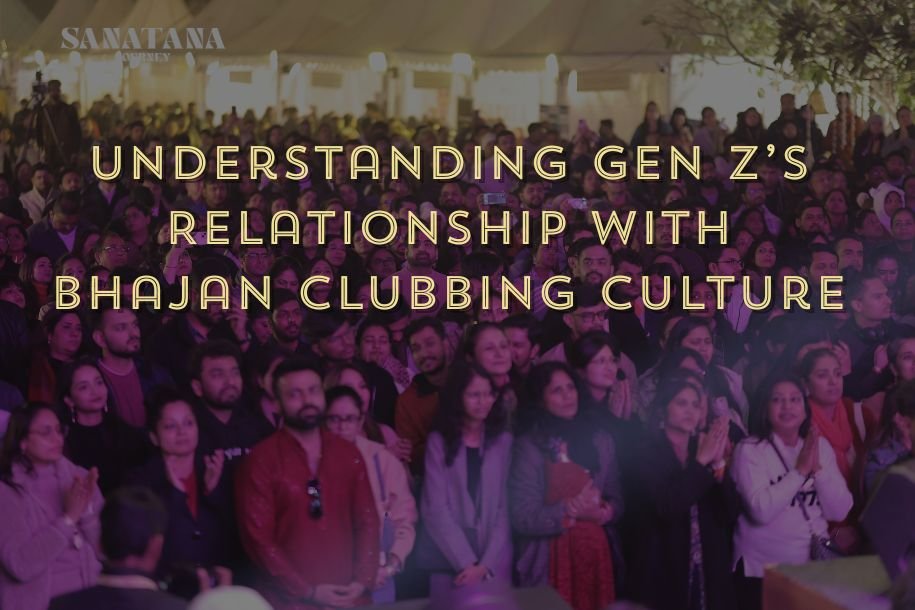
Understanding Gen Z’s Relationship with Bhajan Clubbing Culture
Gen Z in India is quietly redefining what spirituality looks and feels like. In a world dominated by screens, speed, and constant stimulation, young people are gravitating toward experiences that offer calm, connection, and meaning. Bhajan clubbing has emerged as one such space where devotion meets rhythm and inner stillness meets collective energy.
Bhajan Clubbing Explained Through a Gen Z Lens
For Gen Z, bhajan clubbing isn’t about religion in the traditional sense. It’s about experience. It blends familiar devotional lyrics with modern beats, live instruments, and immersive soundscapes. The result is something that feels both rooted and relevant—ancient bhakti expressed in a language today’s youth understands.
How Bhajan Clubbing Became the New “Clean High”?
Instead of alcohol-fuelled nights and next-day burnout, bhajan clubbing offers what many Gen Z attendees call a “clean high.” The joy comes from chanting, music, and shared energy not substances. It’s uplifting, grounding, and leaves people feeling lighter rather than drained.
Music That Heals: Why Sound Matters More Than Noise
Gen Z is highly aware of mental health and emotional well-being. Bhajan clubbing uses sound intentionally mantras, rhythms, and melodies that calm the nervous system. Unlike loud, chaotic party music, these sounds create a healing environment where silence, surrender, and emotion coexist.
Collective Chanting as a Form of Emotional Release
Singing together has a powerful emotional effect. In bhajan clubbing, collective chanting allows people to release stress, grief, joy, and gratitude without having to explain or perform. For many young people, this shared release feels deeply therapeutic.
From Weekend Parties to Spiritual Gatherings
There’s a visible shift in how Gen Z spends weekends. Late-night parties are being replaced by spiritual gatherings that still feel energetic and social. Bhajan clubbing offers the same sense of excitement—minus the pressure, chaos, or excess—making it a more conscious choice.
The Role of Influencers, Reels & Viral Kirtans
Social media has played a huge role in popularising bhajan clubbing. Short reels of packed crowds chanting bhajans, artists performing under open skies, and moments of collective devotion have gone viral. These visuals break old stereotypes and make spirituality look accessible and aspirational.
Bhajan Clubbing as a Safe Space for Expression
One of the strongest reasons Gen Z feels drawn to bhajan clubbing is safety emotional and physical. These spaces are sober, inclusive, and non-judgmental. People can dance, sing, sit quietly, or simply observe without expectations or labels.
What the Rise of Bhajan Clubbing Says About India’s Youth?
The popularity of bhajan clubbing reflects a deeper shift in India’s youth culture. Gen Z isn’t rejecting tradition—they’re reinterpreting it. They want spirituality without rigidity, community without hierarchy, and joy without harm. Bhajan clubbing fulfills all three.
A Divine Devotional Music Fest by Sanatana Journey
A Devotional Music Fest by Sanatana Journey is a soulful celebration where devotion meets music in a joyful and immersive form. Through powerful bhajans, kirtans, and spiritually uplifting performances, Sanatana Journey creates an environment that connects hearts, culture, and faith. Blending traditional devotion with modern musical expressions, the fest brings together people of all ages to experience bhakti, positivity, and community in a vibrant yet divine atmosphere.
Frequently Asked Questions
Is bhajan clubbing religious?
It’s devotional and spiritual, but open to everyone.
Why does Gen Z like bhajan clubbing so much?
It offers peace, connection, and joy without pressure or substances.
Do you need to know bhajans to attend?
No, participation is intuitive and welcoming.
Is bhajan clubbing just a trend?
It reflects a long-term cultural shift toward conscious living.