
Hindu Gods
Hindu Gods or Hindu Deities in Sanatana Dharma represent various aspects of the divine, each embodying unique qualities like wisdom, power, love, and protection. Devotion to these deities, expressed through rituals, prayers, and meditative practices, forms a deep bond between the devotee and the divine. Worshiping deities like Lord Shiva, Goddess Durga, Lord Vishnu, and many others allows individuals to seek blessings, guidance, and spiritual growth. Through devotion, one can experience inner peace, strength, and a profound connection to the sacred energy that pervades the universe. Explore the rich traditions of devotion and discover the divine in every aspect of life.
How Many Gods Are There In Hindu?
In Hinduism, there is one Supreme Divine (Brahman) that manifests in countless forms and deities. Scriptures mention 33 Koti Devas, often misunderstood as 33 crore (330 million) hindu gods, but it actually means 33 types of divine powers. Thus, while people worship many hindu gods like Brahma, Vishnu, Shiva, Durga, Lakshmi, and Saraswati, they are all seen as different expressions of the same ultimate reality.
Lord Brahma – Hindu God
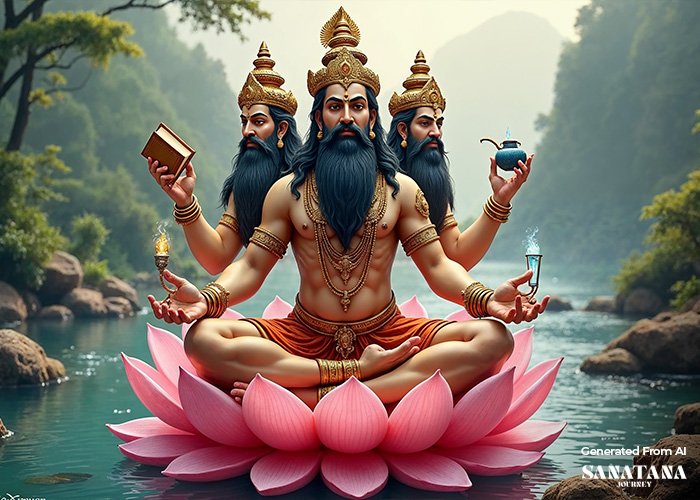
The Rig Veda explains Brahma as a mysterious sacred power that helped create the world. In Hindu mythology, Brahma is said to have been born from a golden egg or emerged as a boar who raised the earth from the waters. He is also linked to other forms, like a fish or tortoise, at the beginning of time. Another belief states he was born from a lotus sprouting from Vishnu’s navel. Brahma is depicted with four faces representing the Vedas and four hands holding a rosary, water-pot, book, and lotus. He is seated on a lotus and rides a swan, symbolizing results.
Lord Vishnu – Hindu God
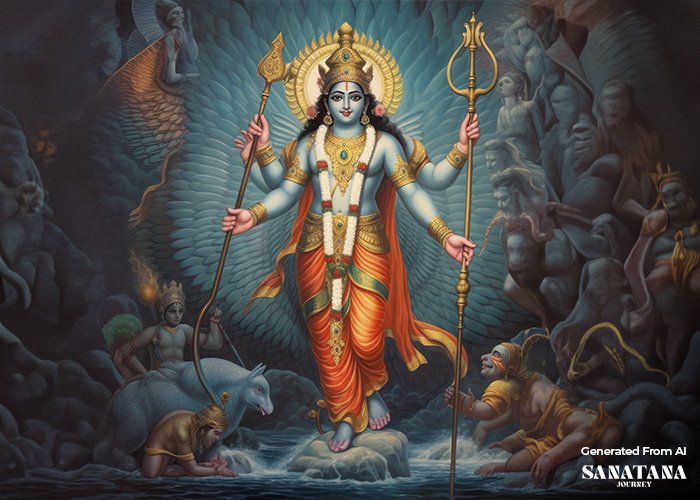
In Hindu mythology, Lord Vishnu is known for his role in permanence, continuity, and preservation. He is part of the Trinity along with Brahma and Mahesh. Vishnu has numerous incarnations, including Lord Rama, Lord Krishna, and animal forms like Matsya (fish), Kurma (tortoise), and Varaha (boar), making up 24 incarnations. Vishnu is depicted with blue skin, four or more hands, and dressed in yellow. He holds a wheel symbolizing creation and destruction, a conch-shell representing the origin of existence, and a club denoting wisdom. His vehicle is Garuda, a half-man, half-bird creature.
Festival: Anant Chaturdashi
Lord Shiva – Hindu God
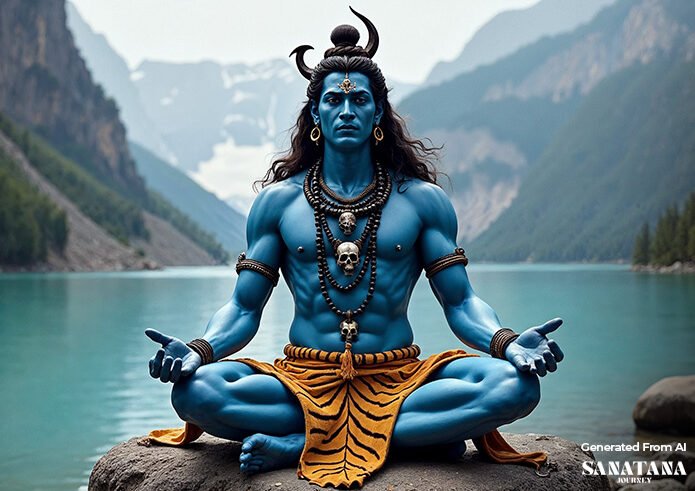
Lord Shiva, part of the holy Trinity with Brahma and Vishnu, is known as the destroyer and a symbol of meditation and austerity. He is often depicted dwelling in the Himalayas and cremation grounds. Unlike Vishnu’s incarnations, Shiva is revered in many forms, including his Lingam form, symbolizing procreation and regeneration. His various aspects include Aghora, Ishana, and Tat Purush, among others. Shiva is three-eyed, with matted hair holding the Ganga, a crescent moon on his head, and a blue throat from drinking poison. He carries a trident, damru, axe, and antelope, and his vehicle is the bull, Nandi.
Festivals: Maha Shivratri
Lord Shri Rama – Hindu God
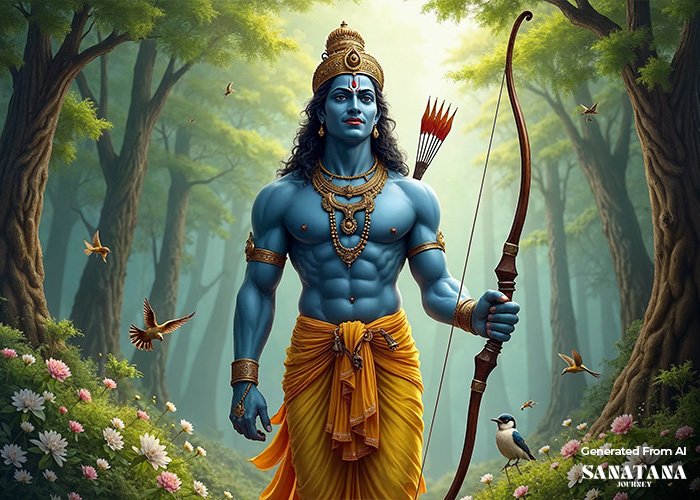
Lord Rama, the seventh incarnation of Lord Vishnu, is known as Purushottam, meaning the best of all men. He represents truth, morality, and is the ideal son, husband, and king. His life is depicted in the epics Ramayana and Ramcharitmanas. In Hindu tradition, narrations of Sri Rama Katha are held to inspire spirituality and guide people toward righteousness. Lord Rama is depicted with a dark complexion, holding a bow and arrow, often shown alongside his wife Sita and brother Lakshmana.
Festivals: Ram Navami, Dussehra & Diwali
Lord Shri Krishna – Hindu God
Lord Krishna, the eighth incarnation of Vishnu, is a beloved figure in Hindu mythology, symbolizing childhood, adolescence, and adulthood. His playful nature and teachings are celebrated in the Srimad Bhagavata Mahapurana and the Bhagavad Gita. Hindu communities worldwide hold Shrimad Bhagwat Katha to share his legacy. Krishna is typically depicted with a blue or black complexion, playing the flute, and is often shown with gopis, enjoying butter, or as Arjuna’s charioteer in battle.
Festival: Janmashtami

Goddess Durga – Hindu God
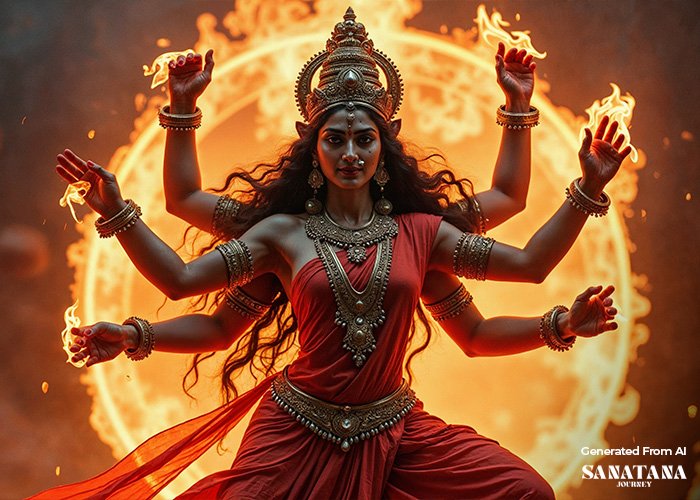
Before the cosmic creation, Goddess Durga emerged from Lord Shiva’s left half to inhabit Shivlok. She represents female energy and defeated the demon Mahishasura, who was terrorizing the earth. Believed to be a ray of energy from Lord Vishnu, she is also known as the ‘Shakti’ of the Impersonal Absolute. Durga is worshipped in nine forms during Durga Puja, including Kushmanda, Chandraghanta, and Mahakali. In Indian mythology, she is often considered the consort of Lord Shiva as Parvati. Goddess Durga is depicted with eight hands, holding various weapons and symbols, and is often shown seated in a yogic posture on a tiger or lion.
Festival: Durga Puja , Navratri
Goddess Lakshmi – Hindu God
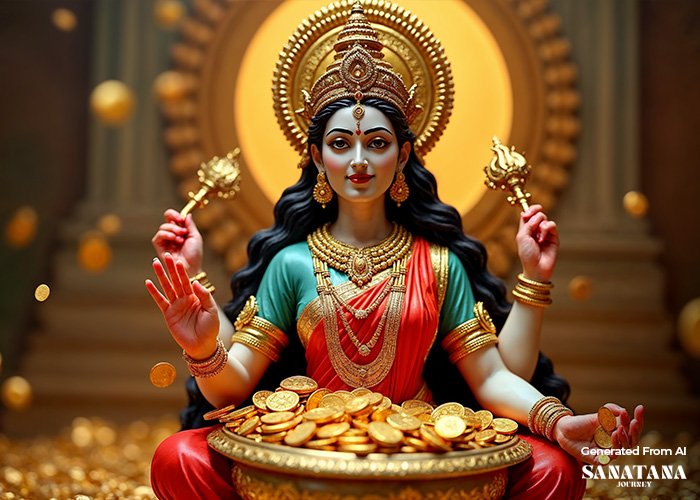
Goddess Lakshmi symbolizes beauty, fertility, and wealth in Hindu mythology. She is the daughter of Sage Bhrigu and the consort of Lord Vishnu, believed to have emerged during the churning of the ocean. Lakshmi is associated with Lord Shiva, Kuber, and Indra and is known by various names, including Kamalika and Jaganmaatha. Often depicted with four hands—holding lotuses and pouring gold coins—she is shown in golden hues, seated or standing on a lotus, flanked by two elephants.
Festivals: Laxmi Pujan, Navaratri
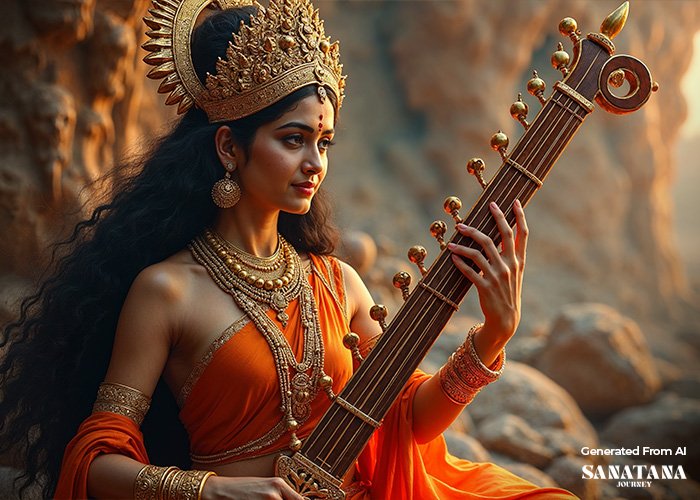
Goddess Sarawati – Hindu God
Goddess Saraswati is the Hindu goddess of knowledge, music, arts, and wisdom, and the consort of Lord Brahma. She plays a key role alongside Lakshmi and Parvati in the creation, maintenance, and destruction of the universe. Often depicted with a milk-white complexion in a white saree, she has four hands holding a lotus, a book, pearls, and a small vase. Saraswati is typically shown seated or standing on a water lily while playing a veena.
Festivals: Vasant Panchami, Navaratri
Lord Ganesha – Hindu God
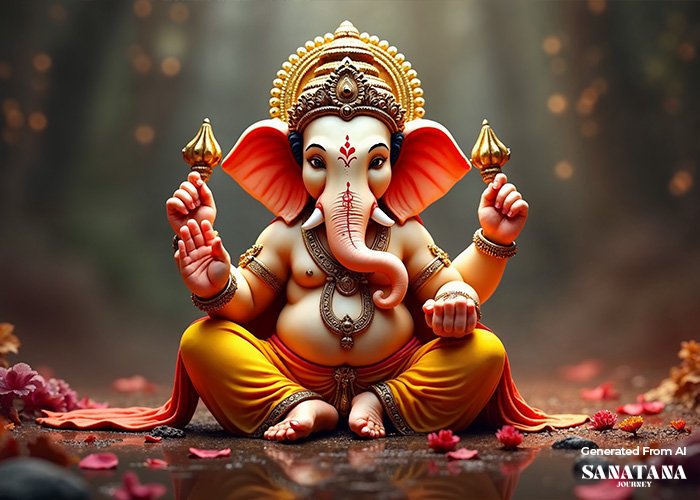
Lord Ganesha, known as the Remover of Obstacles, is a widely revered Hindu deity, especially in Maharashtra. Considered the first god to be worshipped at the start of any new endeavor, he embodies wisdom and serves as a guardian deity. Ganesha is believed to be the son of Lord Shiva and Goddess Parvati. According to legend, Shiva decapitated Ganesha in anger when he refused to let him see Parvati while she bathed. To appease Parvati, Shiva replaced Ganesha’s head with that of an elephant. Ganesha is often depicted with a broken tusk, a symbol stemming from another version of the legend.
Festivals: Ganesh Chaturthi, Pancha Ganapati
Lord Kartikeya – Hindu God
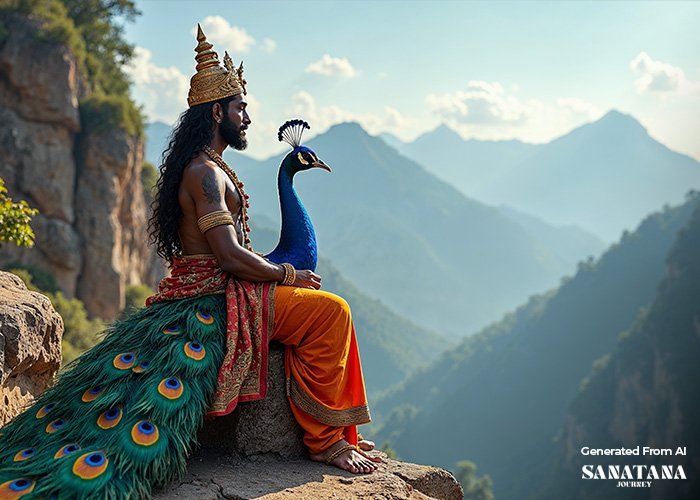
Lord Kartikeya, celebrated for his bravery and intelligence, is especially revered in South India, where he is known as Shanmukha, Murugan, and other names. He is the son of Lord Shiva and Goddess Parvati, and the brother of Lord Ganesha. Associated with chivalry and the defeat of negativity and demons, worshipping Kartikeya is believed to provide protection from troubles. Often depicted with six heads, representing the five senses and the mind, he wields an axe called Shakti, gifted by his mother. Kartikeya is commonly shown riding a peacock, which holds a serpent in one of its claws.
Festivals: Thaipusam (Tamil Nadu), Skanda Sashti
Lord Hanuman – Hindu God
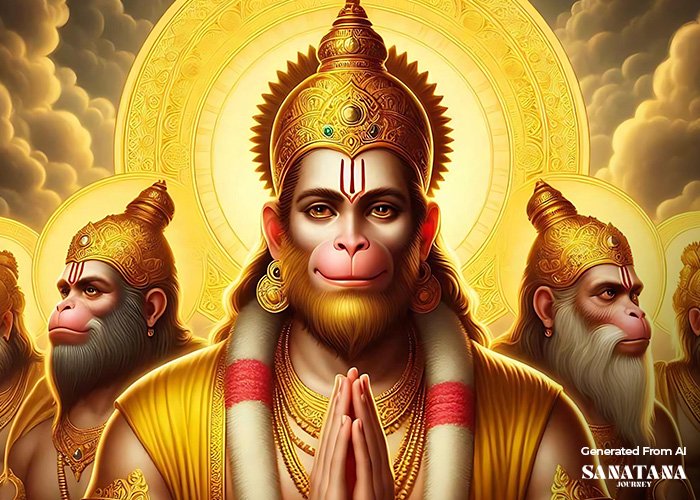
Lord Hanuman is the embodiment of loyalty and devotion, playing a vital role in the epic Ramayana as a powerful warrior who aids Lord Rama in defeating Ravana. His legendary feats include burning Lanka with his tail and bringing a mountain from the Himalayas to the south, showcasing his strength. He is believed to be the son of Vayu, the wind god, and Anjana, an Apsara turned monkey due to a curse. Hanuman is associated with celibacy and is depicted with a monkey face on a strong human body, having one head, two arms, and a long tail. Other forms of Hanuman include one with ten arms and five heads, representing the key avatars of Vishnu.
Festivals: Hanuman Janmotsav
Lord Surya – Hindu God
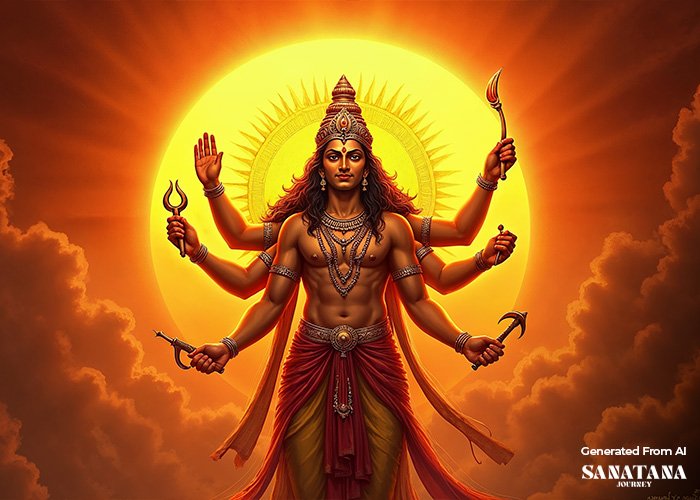
God Surya, a key figure in Hindu Sanatan Dharma, is known as the dispeller of darkness and healer of diseases. He is associated with names like Vivasat and Savitr and is believed to be the son of Kashyapa and Aditi. Legends state that Vishwakarma created divine weapons from Surya’s flames. Worshipped in forms like Arka and Mitra, Surya is depicted with a lotus in each hand, seated in a chariot drawn by seven horses. He typically has four hands, holding a wheel, conch-shell, and lotus, with the fourth in a protective gesture, guided by Aruna, the god of dawn.
Festivals: Chhath
Goddess Parvati – Hindu God
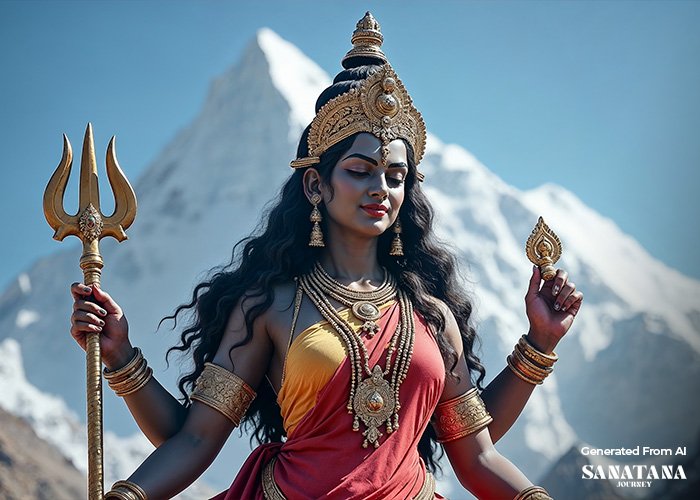
Goddess Parvati, worshipped in her Durga and Kali incarnations across India, is the consort of Shiva and symbolizes strength, determination, and devotion. Known by various names like Lalita, Uma, Gauri, Kali, and Durga, she embodies beauty and fertility, and is considered the reincarnation of Sati, Shiva’s first wife. Her loyalty, penance, and dedication to her family and devotees are regarded as her highest virtues. When depicted with Shiva, Parvati has two hands—one holding a blue lotus. Alone, she is shown with four hands, holding red and blue lotuses and displaying the varada and Abhaya mudras.
Festivals: Gangaur (Rajasthan), Vasant Navratri, Gowri Habba (Karnataka), Navaratri
Gods of Hinduism according to Festivals
In Sanatana Dharma, each Hindu gods (deva) and Hindu goddess (devi) represents a divine quality—wisdom, protection, love, strength, or prosperity. These Hindu deities are not just symbolic figures but living energies worshipped in homes and temples through puja, meditation, mantra chanting, and festivals. From Lord Shiva’s deep meditation to Goddess Durga’s fierce protection, devotion builds a bridge between the divine and the devotee, creating inner peace and spiritual growth.
Navratri – Worship of the Nine Forms of the Goddess
One of the most celebrated Hindu festivals, Navratri, is dedicated to the nine forms of Goddess Durga, symbolizing the victory of good over evil. Devotees worship a different form of the goddess each day:
Goddess Shailputri – Hindu God
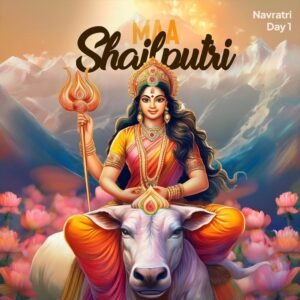
Goddess Shailputri, the first form of Navadurga, is worshipped on the first day of Navratri. Born as the daughter of the Himalayas, she symbolizes purity, strength, and stability. She is depicted riding a bull, holding a trident in one hand and a lotus in the other. Shailputri is considered an incarnation of Goddess Parvati and is revered for her unwavering devotion to Lord Shiva.
Goddess Brahmacharini – Hindu God
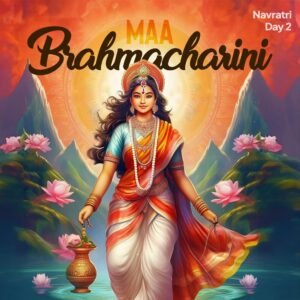
The second form of the goddess, Brahmacharini, represents penance, devotion, and wisdom. She holds a rosary in one hand and a water pot (kamandal) in the other. Clad in simple white attire, she signifies calmness and spiritual strength. Worshipping Brahmacharini is believed to bless devotees with knowledge, peace, and freedom from hardships.
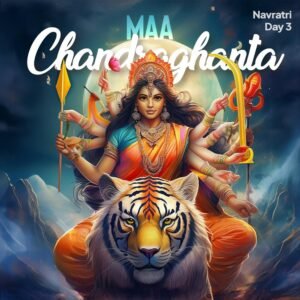
Goddess Chandraghanta – Hindu God
Worshipped on the third day, Chandraghanta is known for her courage and grace. She is depicted with a crescent moon on her forehead shaped like a bell (ghanta), symbolizing bravery. With ten arms holding weapons, she rides a tiger and represents fearlessness against evil. Devotees believe that Goddess Chandraghanta removes negativity and fills life with serenity and prosperity.
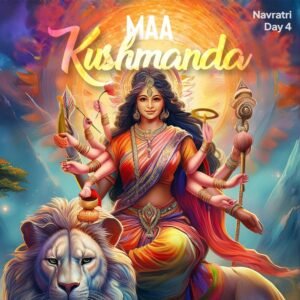
Goddess Kushmanda – Hindu God
The fourth form, Kushmanda, is regarded as the creator of the universe through her divine smile. She is depicted with eight arms holding rosary, weapons, and a pot of nectar, seated on a lion. Her radiance is believed to provide life and energy to the cosmos. Worshipping Kushmanda blesses devotees with vitality, wealth, and spiritual growth.
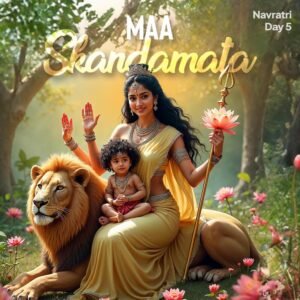
Goddess Skandamata – Hindu God
The fifth goddess, Skandamata, is revered as the mother of Lord Kartikeya (Skanda). She is depicted seated on a lotus, holding her infant son Skanda in her lap, symbolizing motherly love and compassion. With four arms, she holds lotus flowers and shows a gesture of blessing. Worshipping Skandamata is believed to bestow wisdom, strength, and harmony in family life.
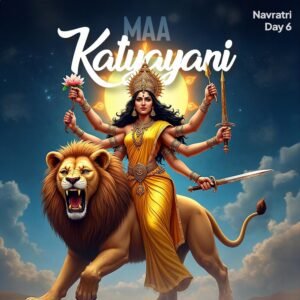
Goddess Katyayani – Hindu God
On the sixth day, devotees worship Katyayani, the fierce warrior form of the goddess. Born to Sage Katyayan, she is considered an incarnation of Durga created to defeat the demon Mahishasura. She is depicted with four arms, holding a sword and a lotus, riding a lion. Goddess Katyayani embodies courage and justice, and worshippers seek her blessings for strength, protection, and success in marriage.
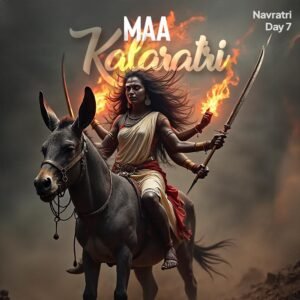
Goddess Kaalratri – Hindu God
The seventh form, Kaalratri, is the fiercest manifestation of the goddess, representing the destroyer of darkness and fear. She is depicted with a dark complexion, unkempt hair, and a fearless expression, riding a donkey. With three eyes and four hands holding a sword and thunderbolt, she exudes immense power. Worshipping Kaalratri removes evil forces, negative energies, and grants protection.
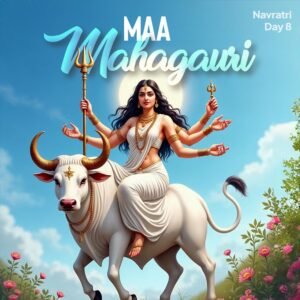
Goddess Mahagauri – Hindu God
Worshipped on the eighth day, Mahagauri symbolizes purity, peace, and compassion. With a fair complexion, dressed in white, she rides a bull and holds a trident and damru. She is believed to have undergone severe penance to attain Lord Shiva as her consort. Worshipping Mahagauri removes past sins and grants devotees peace, prosperity, and spiritual progress.
Goddess Siddhidatri – Hindu God
The ninth and final form, Siddhidatri, is worshipped on the last day of Navratri. She is the bestower of supernatural powers (siddhis) and divine blessings. Depicted seated on a lotus, she has four arms carrying a mace, discus, lotus, and conch. Surrounded by gods, sages, and devotees, Goddess Siddhidatri fulfills desires and blesses devotees with wisdom, devotion, and spiritual success.
FAQs - Hindu Gods and Goddess
How many Hindu gods are there in Hinduism?
Tradition speaks of 330 million Hindu deities, symbolizing infinite divine manifestations, but worship often centers on major gods like Vishnu, Shiva, Durga, Lakshmi, Saraswati, and Ganesha.
Who is the main Hindu god?
Hinduism does not have one single god—it acknowledges the Trimurti (Brahma, Vishnu, Shiva) and Shakti (the divine feminine) as central forces.
Why are there so many gods in Hinduism?
Each Hindu god represents a quality of the supreme reality, Brahman, allowing devotees to connect personally with different aspects of divinity.
Which goddess is worshipped in Navratri?
Navratri is dedicated to the nine forms of Goddess Durga, representing strength, wisdom, and protection.
Where can I find Hindu god images for worship?
Hindu god images and idols can be found in temples, homes, and online stores, used for meditation, puja, and spiritual inspiration.
