
Narasimha Jayanti 2026: Date, Muhurat, Story & Puja Vidhi
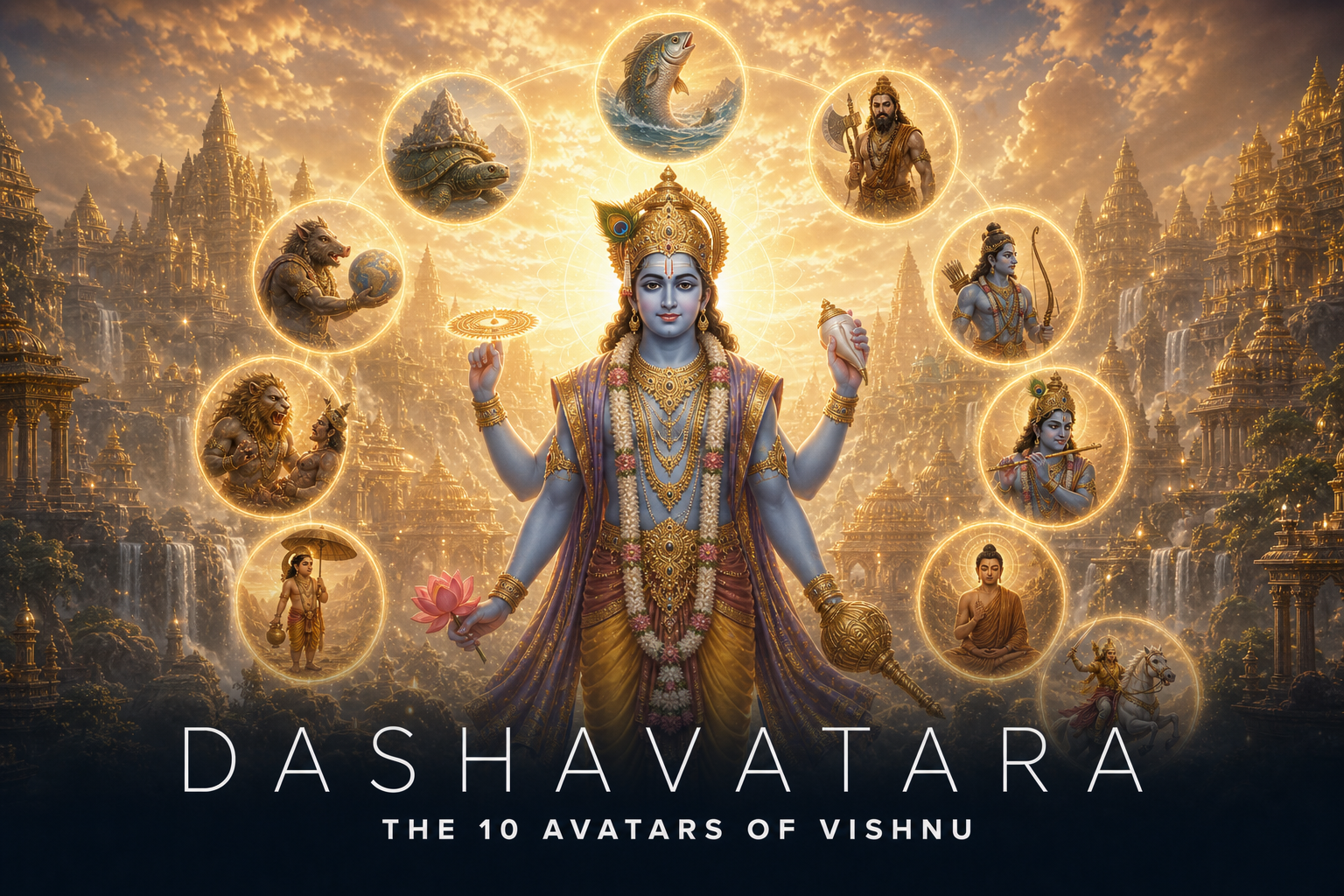
Narasimha Jayanti is a sacred Hindu festival that celebrates the divine appearance of Lord Narasimha, the fourth incarnation of Lord Vishnu. This powerful festival symbolizes the victory of good over evil and reinforces faith in divine protection. Devotees across India observe this day with fasting, prayers, and rituals dedicated to narasimha god, seeking blessings for protection and courage.
Narasimha Jayanti 2026
In 2026, Narasimha Jayanti will be observed with great devotion by followers worldwide. It falls on the Chaturdashi (14th day) of Shukla Paksha in the Vaishakha month.
Narasimha Jayanti 2026 Tithi and Muhurat
Tithi: Vaishakha Shukla Chaturdashi
Date: Thursday, April 30, 2026
Chaturdashi Tithi Begins: 19:51 on April 29, 2026
Chaturdashi Tithi Ends: 21:12 on April 30, 2026
Significance of Narasimha Jayanti
The significance of Narasimha Jayanti lies in its powerful message of the victory of good over evil and the unwavering protection of devotees by the divine. This sacred day marks the appearance of Lord Narasimha, the fierce incarnation of Lord Vishnu, who manifested to save his devotee Prahlada and destroy the demon king Hiranyakashipu. It symbolizes that whenever righteousness is threatened, divine forces intervene to restore balance. Celebrating Narasimha Jayanti inspires devotees to stay firm in their faith, remain fearless in the face of adversity, and trust that truth and devotion will always be protected.
Significance of God Narasimha’s Name and Iconography
The name Narasimha comes from:
“Nara” – Human
“Simha” – Lion
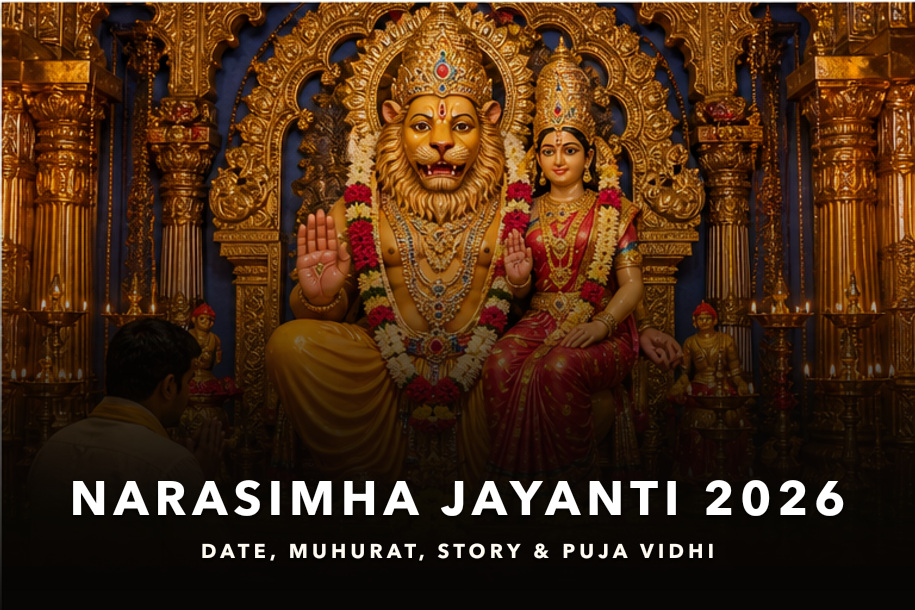
Thus, Narasimha is depicted as a half-man, half-lion form.
Symbolism:
Lion face → Power and courage
Human body → Intelligence and compassion
Fierce expression → Protection from evil
Devotees often search for narasimha images god to understand this powerful form visually.
Stories of Narasimha Festival
The story behind Narasimha Jayanti revolves around Prahlada and his father Hiranyakashipu.
The stories of Narasimha Jayanti are deeply rooted in Hindu mythology and revolve around the divine protection of devotees by Lord Narasimha, the powerful incarnation of Lord Vishnu.
The most famous story is of Prahlada and his father, Hiranyakashipu. Hiranyakashipu was a powerful demon king who gained a boon that made him nearly invincible, he could not be killed by man or animal, inside or outside, during day or night, or in the sky, or by any weapon. Filled with arrogance, he declared himself a god and demanded everyone worship him. However, his son Prahlada remained a devoted follower of Lord Vishnu.
Angered by Prahlada’s devotion, Hiranyakashipu tried multiple times to kill him, but each time, Prahlada was miraculously saved. One day, the king asked Prahlada if his god existed everywhere, even in a pillar. When Prahlada answered yes, Hiranyakashipu struck the pillar in rage. At that moment, Narasimha avatar emerged neither man nor animal, but a half-lion, half-human form.
At twilight (neither day nor night), on the threshold (neither inside nor outside), Narasimha placed Hiranyakashipu on his lap and killed him using his claws (not a weapon), thus honoring the conditions of the boon. This dramatic event symbolizes the triumph of devotion, faith, and righteousness. Another lesser-known belief associated with Narasimha Jayanti is that worshipping Lord Narasimha on this day removes fear, negativity, and obstacles from life. Devotees believe his fierce form protects them from evil forces and grants courage and strength.
How to Celebrate Narasimha Jayanti?
Narasimha Jayanti is celebrated with deep devotion through fasting, पूजा, and spiritual practices dedicated to Lord Narasimha. Devotees begin the day by cleaning their homes and setting up a sacred space with an idol or image of the deity. Many observe a strict fast throughout the day and break it only after sunset or after completing the पूजा. Special offerings like fruits, sweets, and prasad are prepared and offered while chanting mantras and hymns in praise of Lord Vishnu in his Narasimha form. Reading or listening to the Narasimha Katha, visiting temples, and performing aarti are also important parts of the celebration. Overall, Narasimha Jayanti is observed as a day of faith, discipline, and seeking divine protection from negativity and evil.
Narsimha Jayanti Puja Vidhi
Follow this simple puja process on Narasimha Jayanti:
Clean the house and set up a puja altar
Place idol or image of Narasimha god
Offer flowers, fruits, and sweets
Light diya and incense
Perform aarti
Read Narasimha Katha
Lord Vishnu Aarti & Chalisa
Lord Vishnu Chalisa – श्री विष्णु चालीसा: पालनहार की स्तुति
Lord Vishnu Aarti – Vishnu Ji/Jagdish Ji ki Aarti
Narasimha Jayanti Puja Mantra
Chant this powerful mantra:
“Ugram Viram Maha Vishnum
Jvalantam Sarvato Mukham
Nrisimham Bheeshanam Bhadram
Mrityur Mrityum Namamyaham”
Check out other Hindu Festivals and Panchang Calendar from Sanatana Journey Hindu Calendar List.
Frequently Asked Questions
When is Narasimha Jayanti in 2026?
Narasimha Jayanti 2026 falls in May, on Vaishakha Shukla Chaturdashi.
What is Narasimha avatar?
The Narasimha avatar is the fourth incarnation of Lord Vishnu in a half-man, half-lion form.
Is Narasimha Jayanti the same as Narsingh Chaturdashi?
Yes, both refer to the same sacred occasion.
Why is Narasimha worshiped?
Narasimha lord is worshiped for protection, strength, and removal of fear.
Are there any movies on Narasimha avatar?
Yes, Narasimha avatar movie themes are popular in devotional cinema.